Nayara Energy and SAP India Locked in Court Dispute Over EU Sanctions
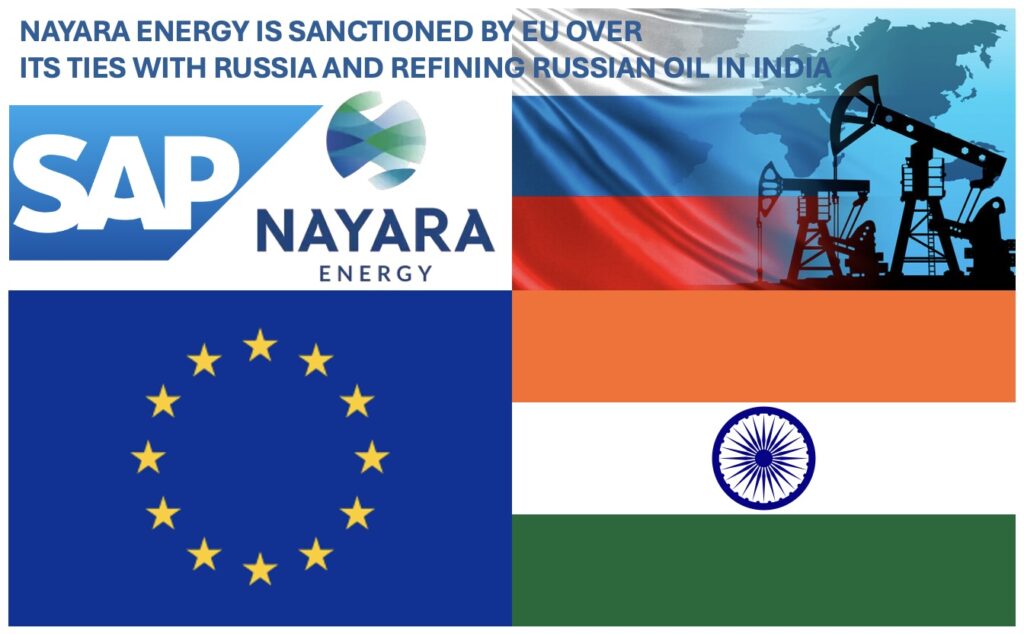
Nayara Energy, one of India’s prominent oil refiners, is currently engaged in a significant legal battle with SAP India concerning the suspension of critical software services. This situation has unfolded after Nayara was sanctioned by the European Union earlier in 2025 due to its ties with Russia. The sanctions led SAP India to halt software services, which Nayara claims as essential for Nayara’s invoicing and GST compliance, severely impacting its business operations.
On September 23, 2025, the Delhi High Court heard Nayara’s plea seeking urgent interim relief to restore SAP’s software services. The court, presided over by Justice Amit Bansal, did not grant immediate relief but instead directed SAP India to file a detailed written response. The judge emphasised the complexity of the matter, noting that SAP India’s suspension of services is tied to compliance with EU sanctions, given its German parent company’s obligations. The court decided to keep the case pending and has scheduled the next hearing for October 29, 2025.
Nayara Energy argued that its contract is exclusively with SAP India, an Indian entity and thus should not be subjected to EU sanctions. The company stressed the critical nature of SAP’s services in issuing invoices, especially given the recent GST 2.0 regime changes implemented on September 22, 2025. Without these software updates from SAP, Nayara faces operational hurdles that disrupt its ability to conduct business efficiently.
Conversely, SAP India maintained that the parent company in Germany is legally bound to enforce EU sanctions, and any breach could lead to severe legal consequences, including imprisonment for its officials. SAP stated that service suspension arose from these regulatory restrictions rather than arbitrary corporate decisions.
This hearing has brought to light the intricate challenges multinational companies face in balancing global compliance requirements with their contractual obligations in India.
The Microsoft vs Nayara Energy Case: A Swift Resolution
This case brings to mind the earlier dispute between Nayara Energy and Microsoft, which occurred a few months earlier in 2025. Microsoft, a US-based company, had suspended cloud and communication services to Nayara citing the EU sanctions. However, this suspension was seen as a unilateral action by Microsoft because it was not legally mandated under US law, unlike SAP’s situation under EU law.
The Microsoft case was resolved relatively quickly after Nayara approached the Delhi High Court. Microsoft restored the suspended services promptly, acknowledging the overreach and mitigating the impact on Nayara’s operations. This quick resolution highlighted how corporate decisions can sometimes be reversed swiftly through legal intervention when not legally compelled.
Why the SAP Matter Is More Complicated
Unlike Microsoft’s unilateral suspension, SAP’s service halt is linked to mandatory compliance with EU sanctions, given its German roots. This makes the matter more legally and geopolitically complex. The involvement of multiple jurisdictions and binding international sanctions means courts must carefully consider legal precedents and international obligations before granting relief.
Moreover, the SAP issue highlights larger concerns about India’s digital sovereignty and the operational dependency on foreign-owned technology companies. It underscores the precarious position Indian businesses face when foreign regulatory frameworks intersect with domestic commercial interests.
What to Expect Next
The Delhi High Court’s upcoming hearing on October 29, 2025, will be crucial as the court will examine SAP’s written reply and consider granting any interim relief to Nayara Energy. The judgment could set important precedents regarding the enforcement of foreign sanctions on Indian companies and the accountability of multinational tech firms operating in India.
In the meantime, the case continues to fuel discussions on India’s urgent need to enhance digital sovereignty policies and promote indigenous technology solutions to mitigate future vulnerabilities.