Mexico on Edge After Cartel Leader’s Death
Mexico has once again found itself at the center of global attention following the killing of a powerful cartel leader. The incident has triggered widespread security alerts, school closures, and urgent advisories for residents to remain indoors in several regions. Authorities fear retaliatory violence as rival groups and cartel factions react to the sudden power vacuum left behind by the death of a major figure in organized crime.
For a country that has battled drug cartels for decades, moments like these often mark the beginning of tense and unpredictable days. While the killing of a cartel leader may appear to be a victory for law enforcement or rival groups, it can also unleash a chain reaction of violence that affects ordinary citizens, businesses, and public life.
This latest development highlights the complex and deeply rooted challenges Mexico continues to face in its fight against organized crime.
Also Read: U.S. Tariffs Still Pressure Indian Exporters Despite Easing Trade Measures
What Happened: The Killing That Triggered National Concern
The killing of a high-ranking cartel leader immediately sent shockwaves across the region. Reports indicate that security forces were placed on high alert soon after the incident, anticipating retaliation from cartel members or clashes between rival groups seeking to take control of territory.
Local authorities responded quickly by issuing safety warnings and restricting movement in sensitive areas. Schools in several districts suspended classes, and businesses closed early as communities prepared for potential unrest.
Such measures are not unusual in cartel-controlled regions. In many parts of Mexico, the death or arrest of a cartel boss can destabilize the delicate balance of power that criminal organizations maintain.
When leadership collapses suddenly, internal fights often begin. Former allies may turn against each other, and rival cartels may attempt to expand their influence.
Also Read: Trump Defies Supreme Court Setback, Imposes 15% Global Tariff Surge
Why Cartel Leadership Changes Often Lead to Violence
Drug cartels operate through strict hierarchies and territorial control. Each leader typically oversees trafficking routes, local operations, and alliances. When a leader is killed, these systems can quickly break down.
Several factors contribute to the violence that often follows:
Power struggles within the cartel:
Lieutenants and regional commanders may compete to become the next leader.
Rival cartel opportunism:
Competing groups frequently try to seize territory during periods of instability.
Retaliation against authorities or enemies:
Cartels sometimes respond violently to demonstrate power and deter future attacks.
Fragmentation of criminal groups:
Without a strong leader, cartels may split into smaller, more unpredictable factions.
Mexico has witnessed this pattern many times over the past two decades. High-profile operations against cartel leaders have sometimes weakened organizations, but they have also triggered new waves of violence.
Communities Living Under Constant Uncertainty
For residents in affected areas, the consequences are immediate and personal. Parents worry about sending children to school, businesses shut down early, and streets become unusually quiet.
When authorities advise people to stay indoors, it reflects genuine concern that armed confrontations could occur in public spaces.
In many regions where cartels operate, people have learned to quickly adapt to these warnings. Social media often fills with reports of roadblocks, gunfire, or suspicious activity as communities try to stay informed and safe.
The psychological impact is significant. Living under the constant possibility of violence can shape daily life and long-term trust in institutions.
Also Read: Pakistan Airstrikes in Afghanistan Trigger Fresh Border Crisis
Government Response and Security Measures
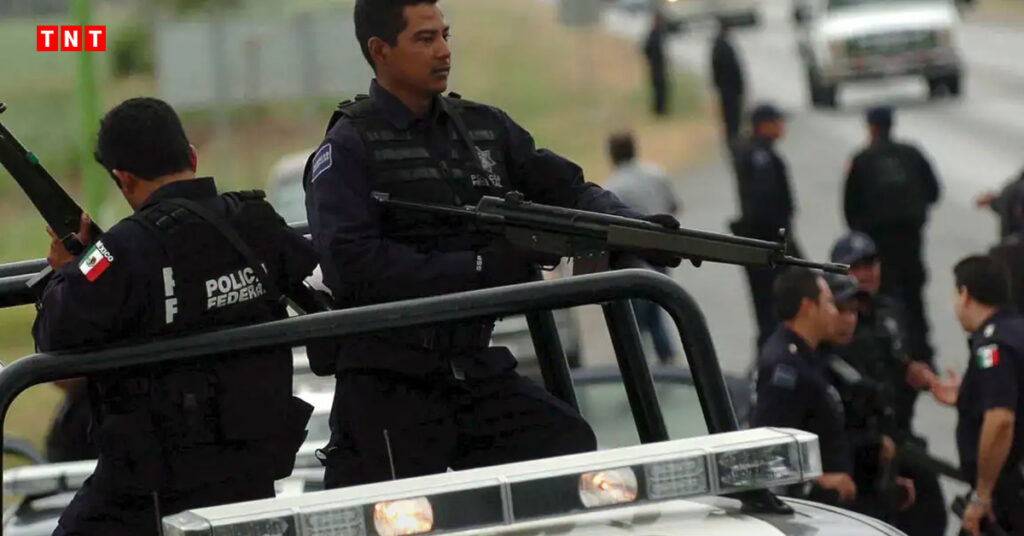
Mexican authorities have deployed additional security forces to maintain order and prevent escalation. Military units and federal police often step in during high-risk periods to patrol streets, monitor cartel activity, and protect key infrastructure.
Checkpoints may be set up on highways, and surveillance operations increase in areas known for cartel presence.
Officials also coordinate closely with local governments to ensure schools, hospitals, and public transportation systems remain safe.
Public communication becomes critical during these moments. Authorities regularly update citizens about safety conditions and urge them to avoid spreading unverified information that could create panic.
Mexico’s Long Battle Against Drug Cartels
Mexico’s struggle with powerful criminal organizations dates back several decades, but the conflict intensified dramatically in the mid-2000s when the government launched large-scale military operations against cartels.
Since then, numerous cartel leaders have been arrested or killed. However, dismantling these organizations has proven extremely difficult.
Several factors contribute to the persistence of cartel power:
Global drug demand:
International markets continue to fuel cartel profits.
Complex trafficking networks:
Cartels operate across borders with sophisticated logistics.
Local corruption challenges:
In some cases, criminal groups exploit weaknesses in governance.
Economic inequality:
Limited opportunities in certain regions make recruitment easier for organized crime.
Because of these factors, removing one leader rarely eliminates the organization entirely.
Regional Impact and International Attention
The death of a cartel leader rarely affects only one city. Drug trafficking networks span multiple states and often extend beyond Mexico’s borders.
International agencies and neighboring countries closely monitor these developments because cartel instability can influence migration, trade, and cross-border crime.
Security analysts also study how criminal groups respond to leadership losses. Some cartels become weaker, while others adapt quickly and emerge even stronger.
The global nature of drug trafficking means that developments in Mexico often have wider geopolitical implications.
The Risk of Short-Term Escalation
Experts warn that the days immediately following such incidents are often the most dangerous. Cartel members may attempt to assert control through public displays of power, intimidation, or attacks on rivals.
Authorities therefore focus on preventing escalation during this period.
In many past cases, strong security presence and rapid government response have helped contain violence. However, the situation can change quickly depending on how cartel factions react.
Long-Term Questions About Strategy
Every major cartel incident also raises broader questions about the long-term strategy for tackling organized crime.
While capturing or eliminating cartel leaders is a significant step, experts argue that sustainable progress requires deeper reforms.
These may include:
- Strengthening local law enforcement institutions
- Expanding economic opportunities in vulnerable regions
- Reducing corruption risks
- Improving international cooperation on drug trafficking
Without addressing these underlying issues, criminal organizations often regroup and continue operations.
What Happens Next
Authorities will continue monitoring the situation closely in the coming days. Intelligence agencies are likely tracking cartel communications, movements, and potential retaliation plans.
If tensions remain contained, daily life may gradually return to normal in affected areas. Schools will reopen, businesses will resume operations, and security forces may scale back their presence.
However, the event serves as a reminder of how fragile stability can be in regions where powerful criminal organizations operate.
For Mexico, the challenge remains not only dismantling cartels but also ensuring that communities can live without fear of sudden violence triggered by power struggles within the criminal world.
FAQ: Mexico on Edge After Cartel Leader’s Death
1. Why were schools closed after the cartel leader was killed?
Authorities closed schools as a precautionary measure to protect students and staff from potential violence or cartel retaliation.
2. Does the death of a cartel leader reduce crime?
Not always. While it may weaken a group temporarily, it can also trigger internal conflicts or battles with rival cartels.
3. Why do authorities ask people to stay indoors?
Staying indoors reduces the risk of civilians being caught in possible clashes between criminal groups or security forces.
4. How powerful are Mexican drug cartels today?
Many cartels remain highly organized and financially strong, with international trafficking networks.
5. What is the biggest challenge in stopping cartels?
Experts say corruption, global drug demand, and economic inequality make it difficult to eliminate cartel influence completely.