McDonald’s Jaipur Food Safety Scandal: Toxic Oil and Spoiled Food Expose Health Risks
In a serious breach of public health norms, the McDonald’s Jaipur food safety scandal has triggered widespread concern over hygiene standards at global fast-food chains in India. On February 9, 2026, officials from Rajasthan’s health department carried out a surprise inspection at a McDonald’s outlet located in Gaurav Tower, Malviya Nagar, Jaipur.
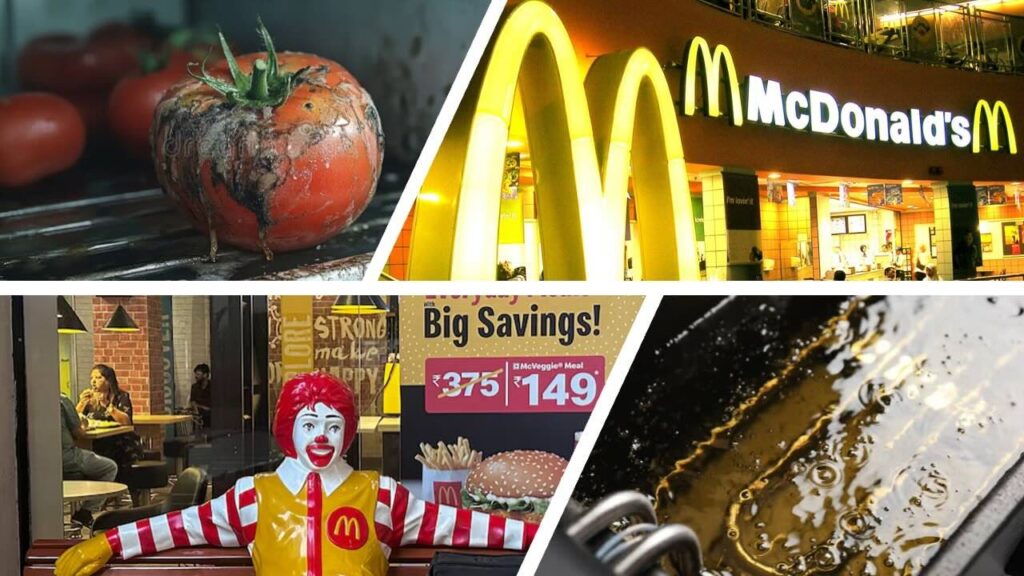
During the inspection, officers discovered nearly 40 litres of heavily reused cooking oil that had turned extremely black and was unfit for consumption. Laboratory checks revealed Total Polar Compounds (TPC) levels exceeding the prescribed safety threshold. The oil registered 28 per cent for non-vegetarian items and 31 per cent for vegetarian preparations, far above the 25 per cent limit set by the Food Safety and Standards Authority of India.
The oil was reportedly being heated to around 150°C and reused throughout the day for frying items such as French fries. In addition, around 40 kilograms of rotten tomatoes were found stored in plastic crates inside the cold room. These were destroyed on-site by officials.
Samples of the oil were collected for laboratory testing. The outlet was also issued an improvement notice under the Food Safety and Standards Act, granting 14 days to rectify violations or face stricter regulatory action.
Health Risks Behind Reused Cooking Oil
Repeated heating of cooking oil leads to chemical degradation and the formation of harmful substances known as Total Polar Compounds. These compounds indicate advanced breakdown and reduced nutritional quality.
Medical experts warn that excessive TPC levels result in the production of free radicals, aldehydes, trans fats, and polymerised compounds. According to Dr Manish Mittal, Chief Medical Health Officer (Jaipur-II), oil exceeding 25 per cent TPC begins to generate carcinogenic elements and elevated trans fats that are directly linked to cardiovascular disease.
Scientific studies and FSSAI guidelines associate degraded cooking oils with several long-term health risks, including:
- Increased risk of heart disease and stroke due to higher LDL cholesterol
- DNA damage and elevated cancer risk
- Chronic inflammation and hypertension
- Liver stress and digestive disorders
- Possible links to neurodegenerative conditions
The FSSAI’s RUCO (Repurpose Used Cooking Oil) programme strictly prohibits reuse beyond the permitted threshold. This initiative aims to prevent such health hazards and promote responsible disposal practices.
Regulatory Action and Official Response
Following the inspection, authorities issued a formal improvement notice to the outlet. Officials seized oil samples for further laboratory verification and initiated compliance monitoring procedures.
In response, McDonald’s India, through its North and East franchise operator Connaught Plaza Restaurants, released a statement acknowledging the inspection. The company stated that it was fully cooperating with authorities and maintained that it follows global quality standards and FSSAI regulations.
Health department officials have also indicated that inspections will be intensified at other outlets across Jaipur. This move aims to ensure uniform compliance and deter future violations.
Public Reaction and Wider Food Safety Concerns
The incident has sparked significant public outrage on social media platforms. Consumers have expressed disappointment and concern over the safety of food served by reputed international brands.
Experts note that reused cooking oil is a widespread problem in India. It affects not only street vendors but also some organised restaurants. High-volume frying operations often increase the temptation to reuse oil beyond safe limits.
This case highlights the need for stricter enforcement and regular monitoring, particularly in high-footfall food establishments.
Pattern of Violations Across Major Fast-Food Chains
The McDonald’s Jaipur case is not an isolated lapse. Official records from the Food Safety and Standards Authority of India and state regulators reveal a broader pattern of compliance failures across major fast-food brands between 2024 and 2026.
Inspections found KFC outlets in Lucknow, Raipur, and Thoothukudi using degraded oil beyond safe limits, with some allegedly employing chemical treatments to mask deterioration. Raids in Telangana in 2025 exposed hygiene and licensing violations at several Pizza Hut and Domino’s outlets, including improper food storage and overused oil.
In Lucknow, checks at Burger King outlets in May 2025 detected bacterial contamination in mayonnaise, while more than 36 food samples from multiple chains failed laboratory standards during the same drive.
These recurring violations point to systemic weaknesses in high-volume food operations. As a result, FSSAI has intensified risk-based inspections and strengthened enforcement measures, highlighting that the Jaipur case reflects structural challenges rather than a one-off failure.
Practical Lessons for Consumers
While regulatory authorities play a crucial role, consumers must also remain vigilant. Food safety is a shared responsibility that requires informed choices and awareness.
To reduce health risks, consumers are advised to:
- Limit consumption of deep-fried foods outside the home
- Avoid reusing cooking oil more than two or three times domestically
- Discard oil that becomes dark, foamy, or develops a rancid smell
- Prefer grilled, baked, or steamed food options
- Support eateries that maintain transparency about oil quality and hygiene practices
Asking restaurants about their oil monitoring systems can also encourage better accountability.
Why the McDonald’s Jaipur Case Matters
This episode extends beyond a single outlet. It reflects broader challenges in enforcing food safety standards in India’s rapidly expanding food service industry. Brand reputation alone cannot substitute for rigorous compliance and ethical responsibility.
The McDonald’s Jaipur food safety scandal serves as a reminder that even trusted names require continuous oversight. Regulatory vigilance, corporate accountability, and informed consumers together form the foundation of a safe food ecosystem.
Food safety is not optional. It is a daily health choice. This case reinforces the need for constant awareness, stronger enforcement, and higher expectations from food service providers. Staying informed and demanding better standards remains essential for protecting public health.