Venezuela Oil Sanctions: Kremlin Seeks US Clarification on New US Restrictions
The Kremlin has announced that Russia will seek formal clarification from Washington regarding recent US Treasury measures that restrict Russian participation in Venezuela’s oil and gas sector. The move follows the introduction of new general licences that permit limited energy activities while excluding entities linked to Russia and several other countries.
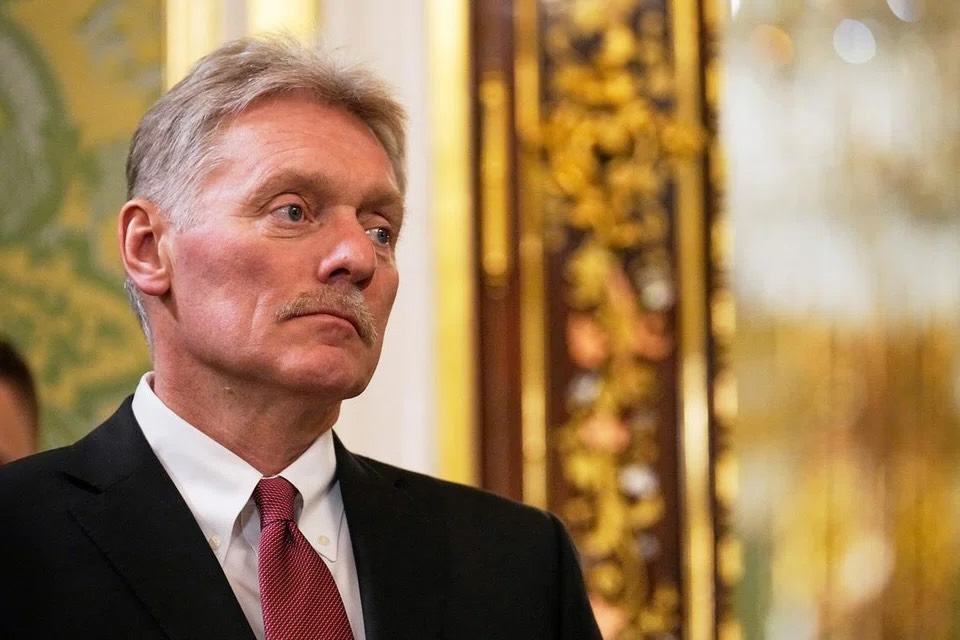
Speaking to reporters on February 11, Kremlin spokesman Dmitry Peskov said Moscow has substantial long-term investments in Venezuela and remains committed to continued cooperation. He emphasised that mutual interests justify direct discussions with the United States.
According to Peskov, Russia views dialogue as necessary to protect existing projects and commercial commitments.
Russian Leadership Reacts to US Measures
Russian officials have criticised the restrictions as discriminatory and politically motivated. Foreign Minister Sergei Lavrov described the measures as “blatant discrimination” against countries that have supported Venezuela’s energy sector for years.
Addressing lawmakers, Lavrov said Russia favours respectful engagement with Washington without coercion or domination. He confirmed that diplomatic contacts on the issue are ongoing.
Therefore, Moscow is positioning the dispute within a broader framework of strategic dialogue rather than confrontation.
US Treasury Licences and Scope of Exclusions
In early February 2026, the US Department of the Treasury’s Office of Foreign Assets Control issued new general licences, including GL 46 and related authorisations. These licences permit certain oil and gas activities in Venezuela.
Approved activities include:
- Exploration and production
- Export and sale of crude
- Storage and refining
- Transportation and logistics
However, these permissions apply mainly to established US entities formed before January 29, 2025.
The licences explicitly prohibit transactions involving entities based in or controlled by Russia, Iran, North Korea, and Cuba. They also restrict joint ventures involving Chinese-controlled firms.
As a result, Russian companies remain excluded from major upstream and trading activities.
Russia’s Long-Standing Presence in Venezuela
Russia has maintained close political and economic ties with Venezuela for more than two decades. Energy cooperation remains central to this relationship.
After US sanctions targeted Rosneft’s Venezuelan operations, Russian assets were transferred in 2020 to Roszarubezhneft. This state-linked company now holds stakes in several joint ventures, including:
- Petromonagas (40 per cent)
- Petroperija (40 per cent)
- Boqueron (26.67 per cent)
- Petromiranda (32 per cent)
- Petrovictoria (40 per cent)
Roszarubezhneft has repeatedly stated that these assets remain Russian property and that contractual obligations will be honoured.
Despite possessing the world’s largest proven oil reserves, Venezuela’s production has declined sharply due to sanctions, mismanagement, and underinvestment.
Political Shifts and US Strategic Objectives
The latest restrictions come amid major political changes in Venezuela. In January 2026, US forces captured President Nicolás Maduro, effectively ending his rule. Maduro now faces criminal charges in the United States.
Following the regime change, Washington has accelerated efforts to reshape Venezuela’s energy sector. President Donald Trump has openly supported increased US involvement in oil production and infrastructure rehabilitation.
Recent measures include licences for oil trading, diluent imports, and upstream development. However, these opportunities are largely reserved for American companies and approved partners.
In February 2026, US Energy Secretary Chris Wright visited Venezuela to assess recovery prospects, reinforcing Washington’s long-term engagement strategy.
Implications for Russia and Global Energy Politics
Russia’s request for clarification reflects concern over protecting its strategic and financial interests in Latin America. Losing access to Venezuelan assets would weaken Moscow’s influence in a region where it has invested heavily.
At the same time, the exclusions illustrate Washington’s broader effort to marginalise geopolitical rivals from key energy markets. Similar patterns are visible in sanctions affecting Russia’s operations in Europe and Asia.
Analysts note that such policies may reshape global investment flows and deepen fragmentation in energy trade.
Therefore, the dispute highlights how sanctions, regime change, and resource access increasingly intersect in international relations.
Diplomatic Outlook and Next Steps
Russian officials have indicated that discussions with US counterparts will continue through diplomatic channels. The aim is to clarify whether existing projects can receive exemptions or transitional arrangements.
For now, uncertainty surrounds the future of Russian participation in Venezuela’s oil sector. Much will depend on forthcoming guidance from US regulators.
As negotiations proceed, the outcome may set precedents for how sanctioned states engage with politically sensitive energy markets.
The evolving situation underscores the growing role of geopolitics in shaping global oil and gas partnerships.