Karnataka High Court Rejects Plea Against Social Media Regulation by the Centre
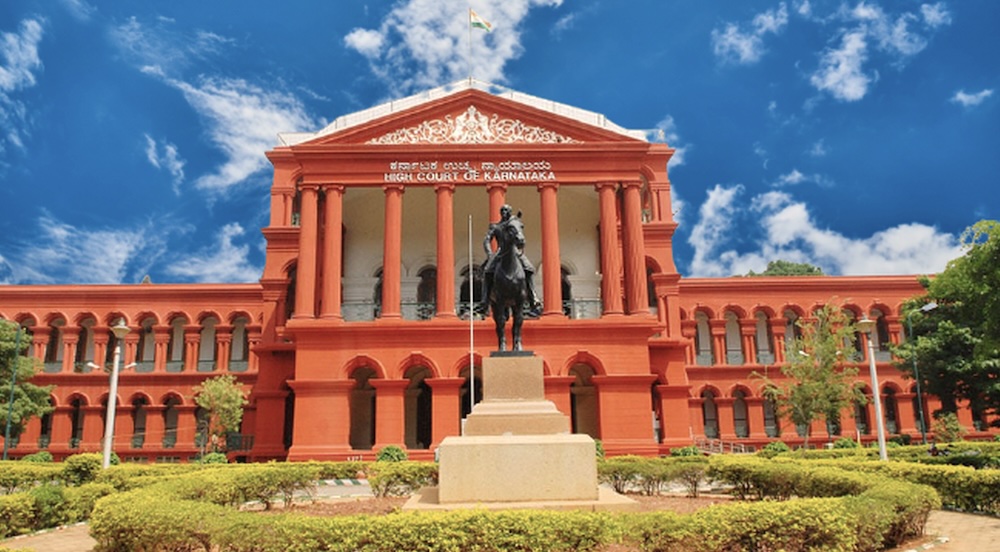
September 24, 2025 | The Karnataka High Court delivered a significant judgment by dismissing the plea filed by social media platform X Corp challenging the Centre’s authority over social media regulation through the Sahyog portal. This ruling marks a pivotal moment in enforcing digital content governance in India, highlighting that social media cannot remain an unregulated space.
Key Details of the High Court Ruling
The challenge by X Corp targeted the Union government’s Sahyog portal, launched in 2024 by the Ministry of Home Affairs to streamline the process of issuing takedown orders to internet intermediaries. The portal operates under Section 79(3)(b) of the IT Act, 2000, which mandates the removal of unlawful content upon government notice.
The court upheld the legitimacy of the portal, terming it an “instrument of public good” designed to maintain online law and order effectively. Importantly, it clarified that the portal does not bypass judicial oversight, as X Corp alleged, since Sections 79 and 69A of the IT Act cater to distinct purposes — the former concerning the safe harbour protections for intermediaries and the latter setting judicial blocking orders.
Court’s Observations on Social Media Responsibility
Emphasising the need for accountability, the court stated that social media platforms operating in India must comply with Indian laws and cannot claim constitutional safeguards under Article 19, as this protection extends only to citizens. The judgment underscored that protecting societal values and dignity online is as imperative as preserving freedom of speech.
The judiciary found merit in the government’s position that social media without regulation might lead to anarchic freedom, especially in sensitive cases such as offences against women. The judgement condemned X Corp for adhering to content regulations abroad while defying Indian law, pointing to a double standard that was deemed unacceptable.
Impact and Future Implications
This ruling reinforces the Centre’s powers to regulate and govern digital platforms, especially amid growing concerns about misinformation, unlawful content, and online harassment. The verdict ensures that internet intermediaries remain accountable and responsive to lawful government directives.
The decision also strengthens the legal framework supporting the Sahyog portal and is expected to curb delays in removing illegal content, thus fostering a safer digital environment. Given the increasing reliance on social media for communication and information, this judgement serves as a precedent for balancing online freedom with public interest.
Conclusion: A Step Towards Responsible Social Media
By rejecting X Corp’s plea, the Karnataka High Court has reaffirmed that social media platforms must operate within the ambit of Indian law and respect government mechanisms for content regulation. This ruling is a major step in ensuring social media’s responsible use in India, protecting users and upholding democratic values.