By Arav Kumar Chand
How the ISL Can Become Popular and Loved Like the World’s Big Football Leagues
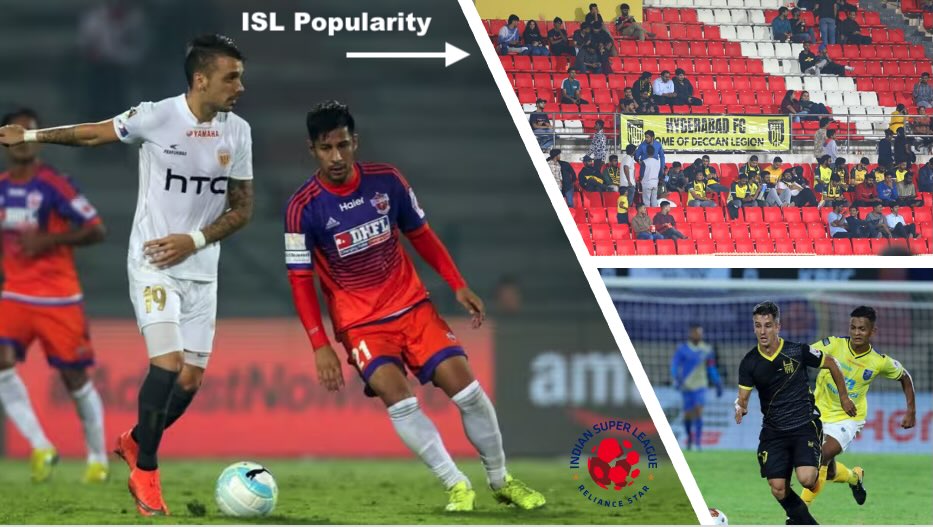
The Indian Super League was launched with the promise of transforming football in India. In terms of visibility, broadcast quality, and star appeal, the league has made undeniable progress. However, ISL popularity still falls far short of the emotional connection enjoyed by the world’s great football leagues.
The reason is simple. Successful leagues are not built on presentation alone. They are built on identity, continuity, and culture. Until ISL confronts uncomfortable truths about Indian football, popularity will remain shallow rather than lasting.
What the World’s Biggest Leagues Got Right
The world’s most loved leagues were not manufactured overnight. They evolved through decades of structure, rivalry, and competitive integrity.
The English Premier League thrives on pace, intensity, and ruthless competitiveness. Every club feels relevant, and relegation fear keeps standards high. Strong grassroots systems constantly replenish talent.
La Liga’s identity rests on technical excellence and youth development. Institutions like La Masia shaped not just players, but a footballing philosophy recognised worldwide.
The Bundesliga focuses on fan ownership, affordable access, and packed stadiums. Clubs are deeply rooted in local communities, making football a shared cultural experience.
Serie A in Italy built its legacy on tactical sophistication and historic rivalries. Domestic identity mattered more than global marketing.
France’s Ligue 1 prioritised youth development, producing elite players for the global game. Brazil’s Serie A draws strength from street football culture and relentless talent production.
These leagues succeeded because football came first. Branding followed later.
Where the ISL Falls Short
ISL’s central weakness lies in its priorities. Marketing has often taken precedence over football culture.
Short seasons break continuity and reduce tactical evolution. Weak promotion and relegation impact removes consequences. Over-reliance on foreign players limits emotional attachment to local talent. Youth development remains inconsistent and poorly integrated.
As a result, clubs struggle to build generational fan bases. Support remains event-driven rather than inherited.
The Hamza Example and the Talent Drain
The case of Hamza, a Bangladeshi footballer who broke into competitive environments abroad, highlights a deeper problem. Bangladesh faces corruption, limited infrastructure, and fewer resources than India. Yet, it still managed to produce a player capable of progressing beyond domestic limitations.
This exposes a harsh reality. India does not lack talent. It lacks pathways.
Young footballers in India are often lost due to poor scouting, fragile youth leagues, financial insecurity, and lack of exposure. Other nations, even struggling ones, find ways to push their best players into demanding football environments. ISL must become a launchpad, not a comfort zone.
Stop Treating ISL as Seasonal Entertainment
At present, ISL feels like a televised event rather than a living football ecosystem. In major leagues, football exists year-round.
Youth leagues operate in parallel. Local derbies carry history. Promotion and relegation shape destinies. Fans grow up watching their clubs evolve.
For ISL to mature, Indian clubs require mandatory academy systems, minimum playing time for domestic youngsters, longer seasons aligned with global calendars, and stronger integration with the I-League and grassroots structures.
Without this, emotional loyalty will remain superficial.
Government Support Is Not Optional
Football growth in India cannot rely solely on private franchises. Active government support is essential.
Football must be integrated into school curricula alongside cricket. Public football grounds should exist in every district. Clubs and sponsors need tax incentives. Coaches, referees, and sports science professionals require institutional backing.
Equally important is protection from administrative instability within AIFF. Countries like Germany, France, and Japan treated football as national development. India continues to treat it as optional entertainment.
Build Local Identity Instead of Imported Glory
Indian fans already love football. What they do not love is disconnected football.
Clubs must represent their cities authentically. Local players should become faces of teams. Rivalries must be nurtured, not diluted. Pride must replace novelty.
People do not fall in love with leagues. They fall in love with belonging, struggle, and shared identity. Imported stars alone cannot create that bond.
Learning, Not Copying, Europe
ISL does not need to imitate Europe blindly. It needs to understand why European leagues work.
India produces world-class engineers, doctors, and athletes in other sports. Football is no different in potential. However, unlocking that potential demands courage to reform, patience to invest long-term, and respect for football as a culture rather than a product.
ISL popularity will not grow through bigger billboards or flashier broadcasts. It will grow when Indian football becomes honest, competitive, and rooted. Until then, the league will continue to be watched — but it will not yet be truly loved.