India’s Post-Ruling Stance on Russian Oil: Free Hand to Revert or Strategic Balance?
February 21, 2026 | New Delhi
India’s Russian oil imports have returned to the centre of policy debate following the February 20, 2026 ruling by the Supreme Court of the United States, which struck down IEEPA-based tariffs imposed by the previous US administration.
With these duties invalidated, the principal economic pressure linking Russian oil purchases to trade penalties has effectively disappeared. The earlier 25% punitive levy, imposed in August 2025, had already been withdrawn under the interim framework in early February 2026. Now, the remaining 18% reciprocal tariff has also been nullified.
As a result, nearly 55% of India’s annual exports to the United States, valued at over $80 billion, have reverted to Most Favoured Nation rates of around 3%. This shift has removed the immediate trade-related deterrent, allowing New Delhi to reassess its energy policy with greater autonomy.
Impact of the Tariff Verdict on India’s Energy Policy
The invalidation of IEEPA-based tariffs has altered the strategic environment surrounding India’s oil imports. Previously, higher duties acted as an economic instrument to discourage continued purchases of Russian crude.
With this leverage gone, policymakers are no longer compelled to align energy decisions with trade concessions. Instead, commercial viability, supply security, and long-term diplomatic interests are expected to guide future procurement.
Officials indicate that the ruling strengthens India’s negotiating position in ongoing trade and energy discussions with Washington.
Will India Revert to Pre-Deal Levels of Russian Oil Imports?
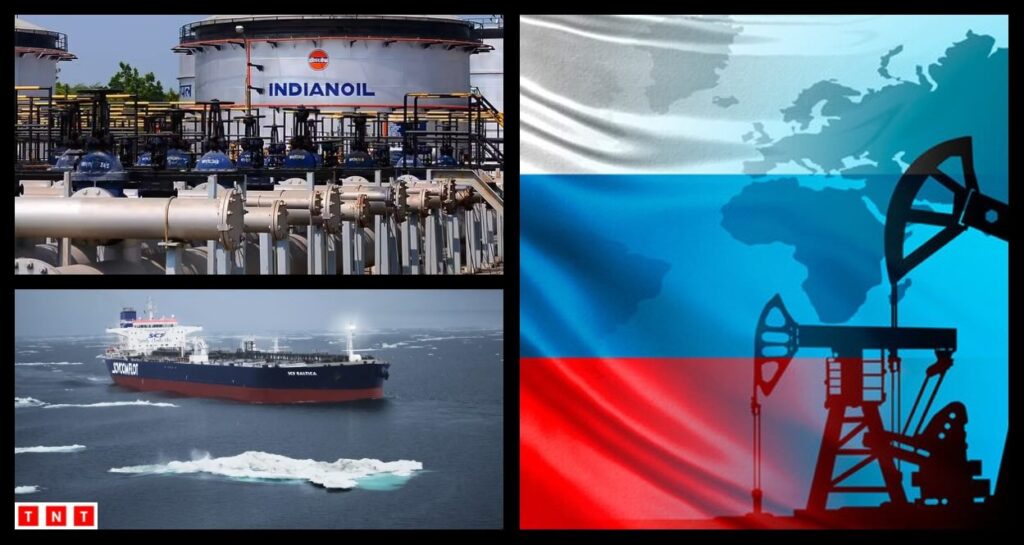
India’s imports of Russian crude expanded sharply after the 2022 Ukraine conflict. Russia’s share rose from about 2% in 2021 to more than 40% by 2025, with occasional peaks touching 57%.
This surge was driven by discounts of 20 to 30% below global benchmarks. These savings helped conserve foreign exchange reserves and stabilise domestic fuel prices during periods of high inflation.
The February 2026 framework reportedly sought to limit these purchases in exchange for tariff relief and long-term US supply commitments. However, the Supreme Court verdict has weakened the economic rationale for such restrictions.
Several trade analysts now argue that India may gradually return to higher levels of Russian imports.
Economic and Strategic Arguments for Reversion
Supporters of a stronger return to Russian oil cite multiple factors.
Cost Competitiveness and Refining Economics
Russian Urals crude continues to remain cheaper than many alternative grades. Public sector refiners such as Indian Oil Corporation and Bharat Petroleum have already resumed selective spot purchases after temporary pauses in 2025.
A sustained reduction in discounted supplies could raise refining costs and place upward pressure on retail fuel prices.
Strategic Autonomy
India has traditionally pursued multi-alignment in foreign policy. It maintains longstanding defence and energy ties with Russia.
Diplomatic officials have repeatedly emphasised that procurement decisions are guided by national interest rather than external pressure.
Absence of Binding Commitments
The February framework was not a ratified treaty. It lacked enforceable mechanisms and remains subject to renegotiation. Legal experts note that, without tariff penalties, India faces no formal obligation to limit imports.
Domestic and Market Sentiment
Industry feedback since the ruling indicates relief among refiners and traders. Many view the verdict as restoring commercial flexibility to energy procurement.
Arguments for Maintaining a Balanced Approach
Despite economic incentives, several considerations favour caution.
Supplier Diversification
India has increased purchases from the United Arab Emirates, Iraq, and Saudi Arabia. This strategy reduces dependence on any single supplier and enhances supply resilience.
Geopolitical Sensitivities
A full return to earlier Russian import levels could invite indirect pressures through trade investigations or regulatory actions. India also values access to the US market for pharmaceuticals, information technology, and textiles.
Global Market Stability
Large-scale shifts in Indian procurement can influence global crude prices. Analysts warn that sudden reversals could disrupt market equilibrium.
Ongoing Diplomatic Engagement
As of now, no fresh public statement has been issued by Prime Minister Narendra Modi or the petroleum ministry. An Indian delegation is continuing talks with US counterparts, suggesting that dialogue remains active.
Likely Policy Direction and Strategic Outlook
Most observers expect India to pursue a calibrated strategy. This would involve selectively increasing Russian imports when price advantages are substantial, while continuing diversification to mitigate geopolitical risks.
External Affairs Minister S. Jaishankar is expected to discuss broader energy cooperation in upcoming engagements, including interactions with Sergey Lavrov.
Such diplomacy may clarify future supply arrangements and political expectations.
A partial reversion, with Russia’s share stabilising between 40 and 50%, appears the most probable outcome. This approach preserves economic benefits while limiting diplomatic fallout.
Strategic Implications for India-US Relations
The post-ruling environment has strengthened India’s bargaining position in trade and energy negotiations. By removing tariff-based pressure, the verdict reinforces India’s preference for rule-based economic engagement.
However, a complete rollback to earlier import patterns could strain bilateral ties. Washington is likely to monitor energy flows closely as part of broader strategic cooperation.
For New Delhi, the challenge lies in balancing affordability, security, and diplomacy in a volatile global environment.