Indian Refiners Shift from Russian Oil with Venezuela, Africa, and Gulf Deals
Indian crude import diversification has gathered momentum in early 2026 as state-owned refiners accelerate efforts to reduce dependence on Russian oil. New supply agreements with Venezuela, West Africa, and the Middle East reflect a strategic recalibration driven by geopolitical, commercial, and trade considerations.
On February 9, 2026, industry sources confirmed that Indian Oil Corporation and Hindustan Petroleum Corporation had secured major overseas cargoes for April delivery. These deals align with New Delhi’s broader objective of strengthening energy security while supporting ongoing trade negotiations with the United States.
IOC and HPCL Secure Venezuelan Crude for April Delivery
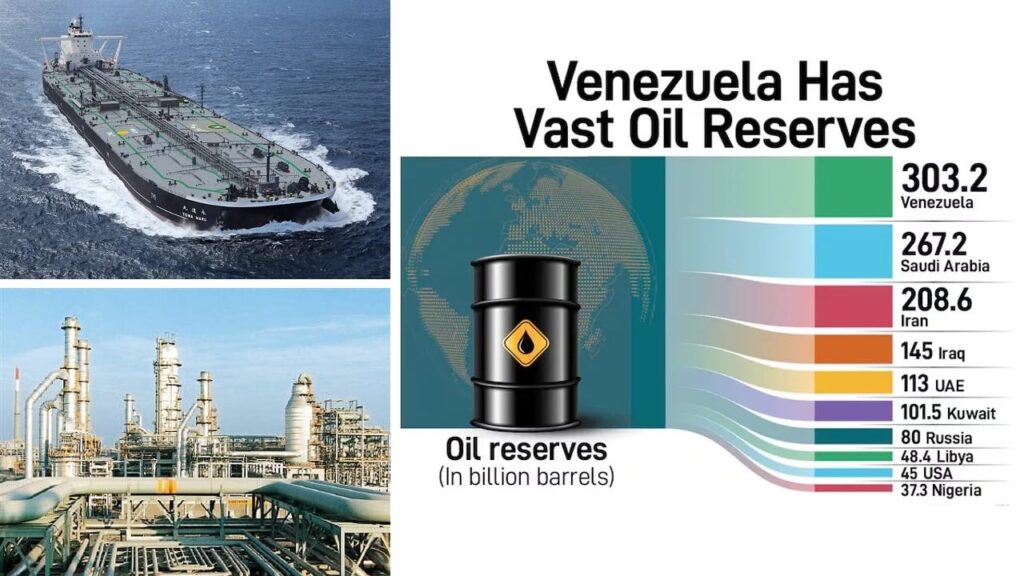
As part of India’s crude import diversification, IOC and HPCL have jointly purchased two million barrels of Venezuelan Merey crude from trader Trafigura. The cargo will be delivered in the second half of April aboard a very large crude carrier to India’s east coast.
IOC is expected to receive approximately 1.5 million barrels. HPCL will take the remaining 500,000 barrels. This transaction marks HPCL’s first direct purchase of Venezuelan oil. IOC had earlier imported similar grades in 2024 and processed them at its Paradip refinery in Odisha.
HPCL plans to refine its share at the upgraded Visakhapatnam facility in Andhra Pradesh. The 300,000-barrel-per-day refinery is now technically equipped to handle heavy and high-sulphur crudes. This capability has expanded HPCL’s sourcing options considerably.
Pricing Advantage and Commercial Attractiveness
The Venezuelan cargo has been priced against the Dubai benchmark at competitive discounts. Market sources indicate that the pricing structure is comparable to the USD 6.50 to 7 per barrel discount secured earlier by Reliance Industries from Vitol.
Such favourable terms have enhanced the commercial appeal of Venezuelan supplies. Therefore, refiners are increasingly viewing South American grades as viable substitutes for discounted Russian barrels.
In addition, these purchases allow Indian companies to optimise refinery margins while maintaining product quality standards.
IOC Expands Purchases from West Africa and the Gulf
Alongside the Venezuelan deal, IOC has separately acquired six million barrels of crude through recent tenders for April delivery. These purchases form a major component of Indian crude import diversification in 2026.
The cargoes include Angolan Pazflor and Nigerian grades such as Agbami, Akpo, and Bonny Light. These were sourced from Totsa, the trading arm of TotalEnergies, and from Shell. IOC has also secured two million barrels of UAE Upper Zakum crude from Mercuria.
This diversified basket provides flexibility in refinery blending. It also reduces exposure to supply disruptions in any single region.
Declining Russian Oil Intake Across Indian Refineries
Indian refiners are increasingly avoiding new Russian crude offers for March and April loadings. Companies such as IOC, BPCL, and Reliance Industries have scaled back spot purchases.
Although some Russian shipments were contracted earlier, overall volumes have fallen sharply. In December, Russian oil accounted for around 25 per cent of India’s imports. Recent data indicates further declines in early 2026.
This shift reflects changing commercial incentives as well as evolving diplomatic priorities.
Link to US-India Trade Negotiations
The acceleration of Indian crude import diversification is closely linked to ongoing trade discussions with Washington. India and the United States recently announced a framework agreement aimed at reducing tariffs and strengthening economic cooperation.
President Donald Trump lifted earlier 25% tariffs on Indian goods. These had been imposed partly in response to India’s expanded purchases of Russian oil. The decision was justified on the basis of New Delhi’s commitment to moderate such imports.
Although India has not formally announced a ban on Russian crude, procurement patterns indicate a clear policy direction.
Venezuelan Supply Revival After US Licensing Changes
Venezuelan oil has become more accessible following US licensing arrangements granted to major traders such as Trafigura and Vitol. These permissions were issued after political developments involving President Nicolás Maduro and renewed diplomatic engagement.
As a result, export volumes have increased. However, refiners in the US Gulf Coast have struggled to absorb the additional supply. Consequently, surplus cargoes have become available to buyers in Asia, including India and China.
This development has widened India’s sourcing options while keeping procurement costs competitive.
Strategic Rationale Behind India’s Diversification Drive
India’s refining sector is designed around complex facilities capable of processing heavy and medium crudes. Therefore, access to diverse feedstock is essential for operational efficiency.
By sourcing from Venezuela, West Africa, and the Gulf, Indian refiners are strengthening supply resilience. They are also reducing vulnerability to sanctions, shipping constraints, and geopolitical shocks.
This approach supports long-term energy security while preserving commercial autonomy.
Confidentiality and Market Practices
Indian oil companies generally refrain from commenting publicly on spot market tenders. Confidentiality clauses restrict disclosure of pricing and contractual details. Traders such as Trafigura have also declined official comment on recent transactions.
Nevertheless, industry data and shipping records have confirmed the broad outlines of these purchases.
Reconfiguration of India’s Crude Import Basket in 2026
The latest transactions illustrate a rapid restructuring of India’s crude sourcing strategy. In less than two years, Russian oil has shifted from being a dominant supplier to a supplementary option.
Indian crude import diversification is now driven by a combination of commercial prudence, diplomatic balancing, and technical capability. This multidimensional approach reflects the maturity of India’s energy sector.
As negotiations with the United States progress and global energy markets remain volatile, further adjustments are likely. Refiners are expected to continue expanding their supplier network in order to protect margins and national interests.
For now, the April 2026 purchases signal a decisive move towards a more balanced and resilient import framework.