IMEC in 2026: Momentum from Recent Port MoUs and Trade Deals – But Full Operations Still 15–20+ Years Away?
The IMEC 2026 Progress narrative reflects cautious optimism, as fresh diplomatic agreements and commercial partnerships continue to revive interest in the India–Middle East–Europe Economic Corridor. Announced at the 2023 G20 Summit in New Delhi, the project aims to create a resilient multimodal trade route linking India, the Gulf region, and Europe through shipping, railways, highways, digital cables, electricity grids, and green energy pipelines.
Although progress remains uneven, especially across the politically sensitive northern land bridge, recent assessments describe the corridor as “alive and advancing”. In early 2026, momentum has been strongest in maritime connectivity and port development, where existing infrastructure allows faster implementation.
IMEC’s Status in 2026: MoUs, Trade Deals, and Diplomatic Push
During 2026, IMEC’s revival has been driven primarily by trade agreements and port cooperation frameworks that strengthen its endpoints.
On 27 January 2026, India and the European Union signed a landmark Free Trade Agreement. Prime Minister Narendra Modi and European Commission President Ursula von der Leyen described the pact as historic. The agreement reduces tariffs over seven years, including cuts on automobiles, textiles, and spirits. It aims to double EU exports to India by 2032 and save nearly €4 billion annually in duties. The deal, accelerated amid US tariff uncertainties, has strengthened the commercial rationale for IMEC.
Further momentum came on 18 February 2026, when Adani Ports signed a cooperation agreement with the Port of Marseille Fos during French President Emmanuel Macron’s visit to India. The MoU covers port innovation, digitalisation, trade facilitation, and energy transition. It also proposes an IMEC Ports Club and establishes a Mundra–Marseille Green Maritime Corridor. With nearly 70 million tonnes of annual capacity, Marseille is now positioned as a major European gateway.
Meanwhile, developments in US–India trade relations have indirectly supported IMEC. Following President Trump’s February 2026 announcement of a provisional trade framework, negotiations focused on reducing tariffs on Indian exports. Although talks were temporarily paused in late February, the stabilisation of bilateral ties has reinforced investor confidence in long-term connectivity projects.
Diplomatic reaffirmations have also continued. Building on the August 2025 sherpa meeting in New Delhi, early 2026 summits and ministerial dialogues have reiterated commitment to IMEC. Calls for a full ministerial-level mechanism persist, reflecting growing institutional engagement.
GCC Railway: Backbone of the Overland Corridor
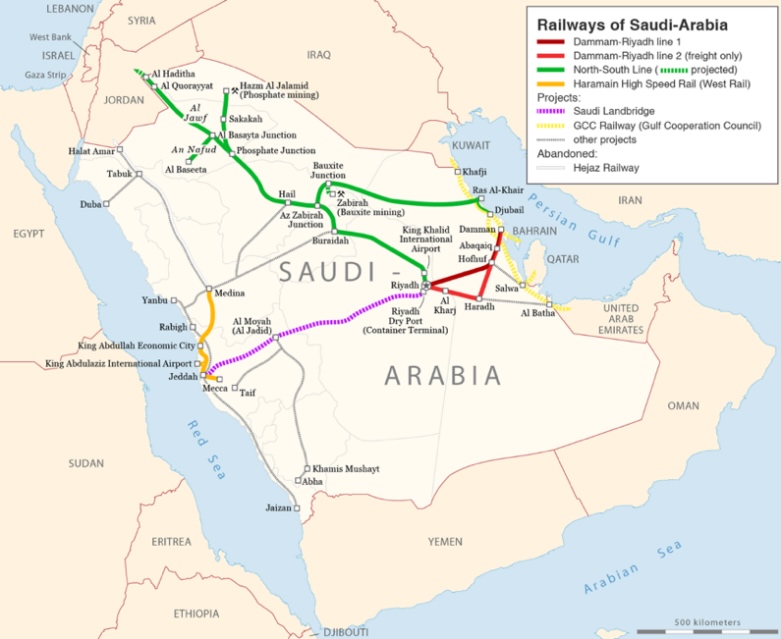
The Gulf Cooperation Council railway system remains the most critical enabler of IMEC’s land-based segments. The planned 2,117-kilometre network is targeted for completion by 2030.
Etihad Rail and UAE Connectivity
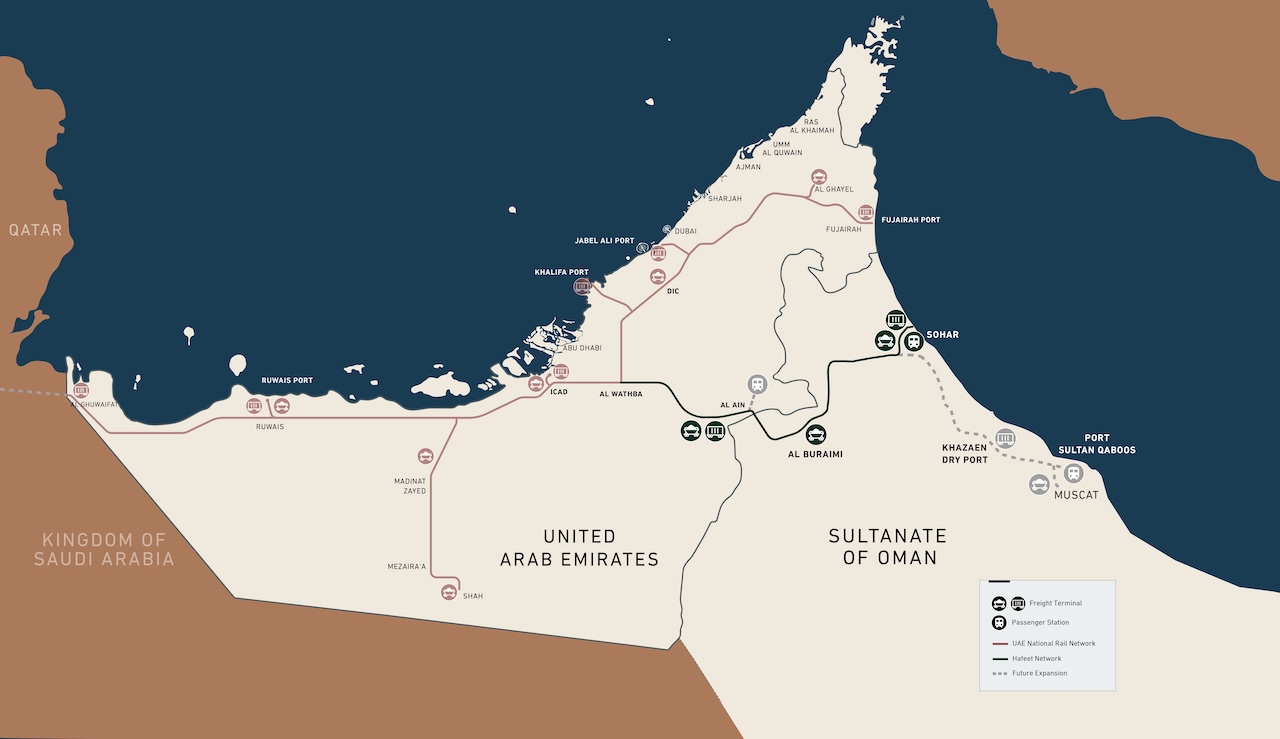
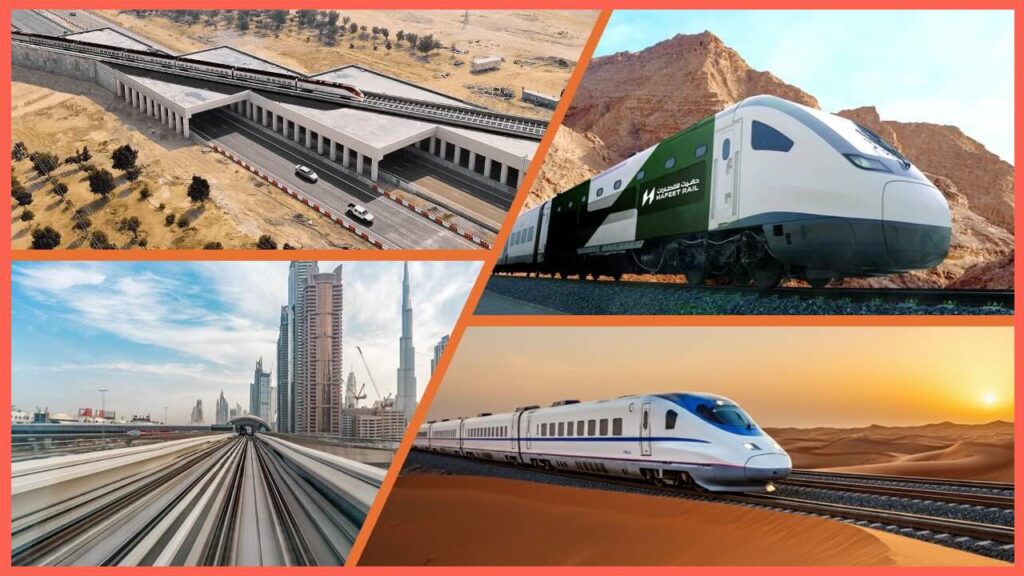
The UAE’s national railway operator, Etihad Rail, has constructed nearly its entire 900–1,200 kilometre network. It connects Ghuwaifat on the Saudi border to Fujairah on the east coast, linking all seven emirates.
Freight services have been operational since 2023. Passenger services are being rolled out in phases throughout 2026, connecting eleven major cities and regions. Trains are designed to operate at speeds of up to 200 km/h, with travel times of around 57 minutes between Abu Dhabi and Dubai. Mountain crossings required the construction of 593 bridges and 6.5 kilometres of tunnels, with final testing expected to conclude by mid-2026.
Hafeet Rail: UAE–Oman Extension
The Hafeet Rail project extends connectivity from Al Ain to Sohar Port in Oman. Spanning 238–303 kilometres, the joint venture began construction in May 2024. By October 2025, the project was over halfway complete, with testing scheduled for early 2026.
With funding of nearly USD 3 billion, full operations are expected between mid-2026 and 2027. Travel time between Abu Dhabi and Sohar is projected at around one hour and forty minutes. However, tunnelling through the Hajar Mountains remains the main engineering challenge.
Saudi Arabian Rail Segment
Saudi Arabia forms the longest section of the GCC railway. Its North–South line connects Riyadh and Dammam with the Jordanian border at Al Haditha. Passenger numbers exceeded 14 million in 2025, while freight volumes reached 7.4 million tonnes in the first quarter alone.
Capacity expansion and electrification tenders are underway, alongside the Q-Express high-speed corridor. Funding remains sensitive to oil price fluctuations, although Vision 2030 alignment is expected to generate over 30,000 jobs and add USD 30.7 billion to GDP by 2030.
Jordan–Israel Connectivity Gap
The weakest link remains the Jordan–Israel segment. Jordan lacks a national railway and requires 225–300 kilometres of new track to reach Israel, plus an additional 15 kilometres inside Israel to connect with Haifa.
The estimated cost exceeds USD 2 billion for Jordan alone. Although a UAE-backed rail design agreement covers a separate Jordan–Aqaba route, no direct Jordan–Israel progress occurred in 2026. Political sensitivities arising from the Gaza conflict, funding shortages, and complex terrain continue to delay implementation. Even under optimistic scenarios, this section may take another decade to complete.
IMEC Timeline: Why 15–20+ Years Remains Realistic
Despite visible advances, full IMEC integration remains a long-term undertaking.
Between 2026 and 2030, priority remains on completing GCC rail, upgrading ports, and strengthening India–Gulf maritime links. Partial corridor operations are expected during this phase.
From 2030 to 2040, phased activation of overland links and harmonised customs systems is anticipated, alongside early-stage energy and digital infrastructure.
After 2040, planners envision a fully integrated corridor capable of handling high-volume, multimodal trade flows.
Most analysts therefore project complete operational maturity only between 2040 and 2050, implying a 15–20+ year horizon. Persistent risks include geopolitical disruptions, funding gaps estimated at USD 20 billion or more, and complex desert engineering requirements.
Strategic Outlook for IMEC 2026 and Beyond
IMEC’s trajectory in 2026 reflects measured progress rather than rapid transformation. Port agreements, trade pacts, and railway expansion have created tangible building blocks. At the same time, unresolved political and financial challenges continue to constrain full-scale implementation.
Nevertheless, as traditional maritime routes face recurring security and congestion risks, IMEC retains strong strategic relevance. Its phased development model allows gradual integration without waiting for perfect conditions.
For India, Europe, and Gulf partners, the corridor represents a long-term investment in supply chain resilience and geopolitical cooperation. If regional stability improves and funding remains consistent, IMEC’s incremental gains in the 2020s could translate into substantial economic returns in the decades ahead.
TNT’s IMEC Watch series will continue to monitor infrastructure milestones, diplomatic shifts, and investment trends shaping this ambitious connectivity project.