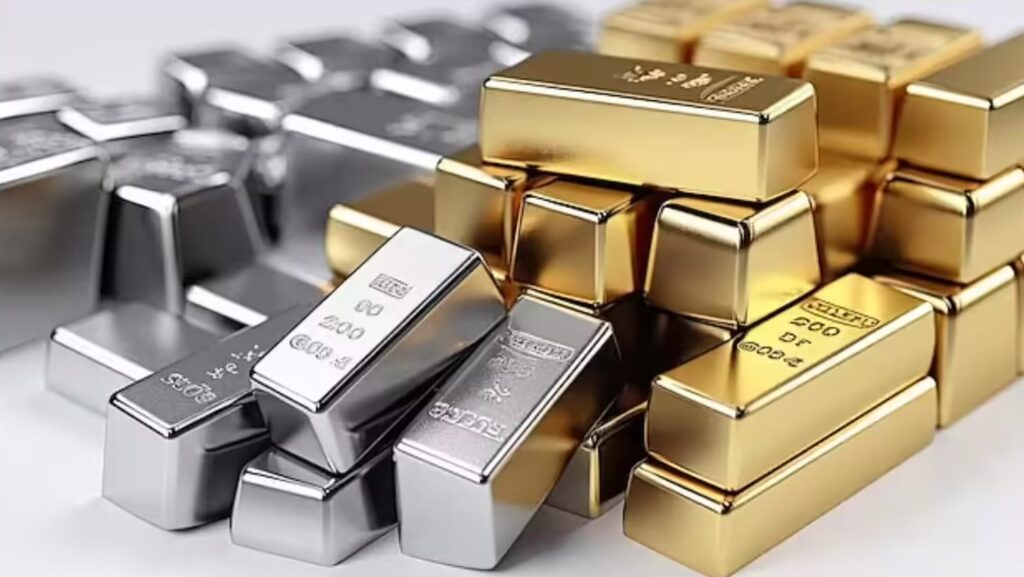
Gold and Silver Prices Today Remain Volatile After January Crash
The precious metals market continues to witness intense volatility in early 2026, as Gold Silver Prices Today reflect a fragile recovery following one of the sharpest corrections in decades. After soaring to record highs in late 2025 and January 2026, gold and silver suffered a dramatic collapse on January 30. Since then, investors have remained cautious amid shifting global economic signals, changing monetary policies, and geopolitical developments.
As of February 5, 2026, international and domestic prices show partial stabilisation. However, frequent intraday fluctuations indicate that uncertainty still dominates bullion trading. Market participants are closely monitoring global cues, currency movements, and central bank policies for direction.
Current International Prices of Gold and Silver
Global precious metal prices are primarily benchmarked through spot markets operated by institutions such as the London Bullion Market Association and COMEX. These benchmarks directly influence trading patterns worldwide.
Gold Spot Rates in Global Markets
On February 5, 2026, gold was trading at approximately $4,845.00 per troy ounce (bid) and $4,847.00 (ask). This represented a daily decline of nearly $118.80, or 2.39 per cent, from the previous close.
Although gold continues to serve as a traditional hedge against inflation, short-term sentiment has weakened. Rising US Treasury yields and a stronger dollar have reduced its immediate appeal. Over the past week, gold has recorded daily swings of up to 6 per cent, highlighting extreme sensitivity to macroeconomic indicators.
Silver Spot Rates and Market Volatility
Silver remained under stronger selling pressure. The metal was priced at around $75.36 per ounce, reflecting a steep fall of nearly 14.44 per cent in a single session.
Due to its dual role as an industrial and investment asset, silver reacts sharply to economic cycles. According to Trading Economics data, silver recorded a monthly decline of over 6 per cent, despite remaining significantly higher on a year-on-year basis.
These international prices form the foundation for domestic bullion markets, including India’s.
New Delhi Gold and Silver Prices Today
In India, bullion prices are quoted mainly per gram, with 24-karat and 22-karat gold being the most traded categories. Local prices reflect international trends, currency movements, import duties, and domestic demand.
24-Karat and 22-Karat Gold Rates
As of February 5, 2026, 24-karat gold in New Delhi was trading at approximately ₹15,955 per gram, marking a daily rise of ₹551. This translated to nearly ₹1,59,550 per 10 grams.
Meanwhile, 22-karat gold was priced at around ₹14,620 per gram, or ₹1,46,200 per 10 grams. The price difference reflects alloy content and jewellery manufacturing costs.
These rates are sourced from regional bullion associations and market platforms that factor in GST and local variations.
Silver Prices in the Capital
Silver in New Delhi was trading at nearly ₹320 per gram, equivalent to ₹3,20,000 per kilogram. Although this represented a modest recovery, prices remained well below January highs.
Earlier in the week, silver traded between ₹283 and ₹301 per gram, underscoring persistent volatility. Industrial demand from electronics and renewable energy sectors continues to influence price trends.
Buyers should also account for 3 per cent GST and additional making charges when purchasing physical bullion.
January 30, 2026 Crash: A Turning Point for Bullion Markets
January 30, 2026, marked one of the most severe sell-offs in modern precious metals history. Both gold and silver experienced massive intraday losses, triggering panic across global exchanges.
International Market Impact
On that day, gold closed near $4,891 per ounce, down from an opening above $5,180. This represented a decline of nearly 6 per cent, with intraday losses touching double digits.
Silver collapsed even more sharply. Prices plunged from highs near $120 to around $80, wiping out over 30 per cent in a single session. This marked the worst crash since 1980.
Margin calls and forced liquidations accelerated the downturn, erasing weeks of speculative gains.
Impact on Indian Markets
In New Delhi, 24-karat gold fell to between ₹16,935 and ₹17,077 per gram, while 22-karat gold slipped to around ₹15,525–₹15,655.
Silver dropped to nearly ₹391–₹410 per gram, representing a decline of over 7 per cent. Compared with current levels, gold has recovered moderately, while silver remains under pressure.
Key Reasons Behind the January Market Collapse
The January crash resulted from a combination of political, financial, and structural factors rather than a single trigger.
Monetary Policy Developments
The nomination of Kevin Warsh as the next US Federal Reserve Chair strengthened expectations of tighter monetary policy. As a result, the US dollar gained sharply, reducing demand for dollar-denominated commodities.
Higher interest rate expectations also diminished the appeal of non-yielding assets such as gold.
Profit Booking and Market Leverage
Gold and silver had risen by nearly 70 per cent and 150 per cent respectively in 2025. Therefore, large-scale profit booking became inevitable.
In addition, higher margin requirements imposed by exchanges forced traders to unwind leveraged positions. This intensified selling pressure.
Geopolitical and Domestic Factors
Easing geopolitical tensions reduced safe-haven demand. In India, slower festive buying and currency fluctuations further weakened local sentiment.
Market Outlook and Investor Perspective
Despite recent turbulence, long-term fundamentals continue to support precious metals. Central bank purchases, inflation risks, and currency uncertainties remain important drivers.
Analysts suggest that gold could regain momentum if monetary tightening proves milder than anticipated. Silver may benefit from rising demand in renewable energy and electronics, although volatility will remain high.
According to Trading Economics, silver could approach $86 per ounce by the end of the quarter, provided global growth stabilises.
Indian investors are advised to track Federal Reserve decisions, dollar movements, and geopolitical developments before making large allocations.
What Gold Silver Prices Today Indicate for Investors
Current levels suggest that Gold Silver Prices Today reflect a cautious recovery rather than a full reversal. International gold near $4,845 and New Delhi’s 24-karat rate around ₹15,955 per gram indicate stabilisation, but confidence remains fragile.
While the January crash exposed speculative excesses, it has not diminished the long-term relevance of precious metals. In uncertain economic environments, gold and silver continue to serve as strategic hedging instruments.
Market experts recommend diversification and disciplined investment strategies, especially in periods of heightened volatility.