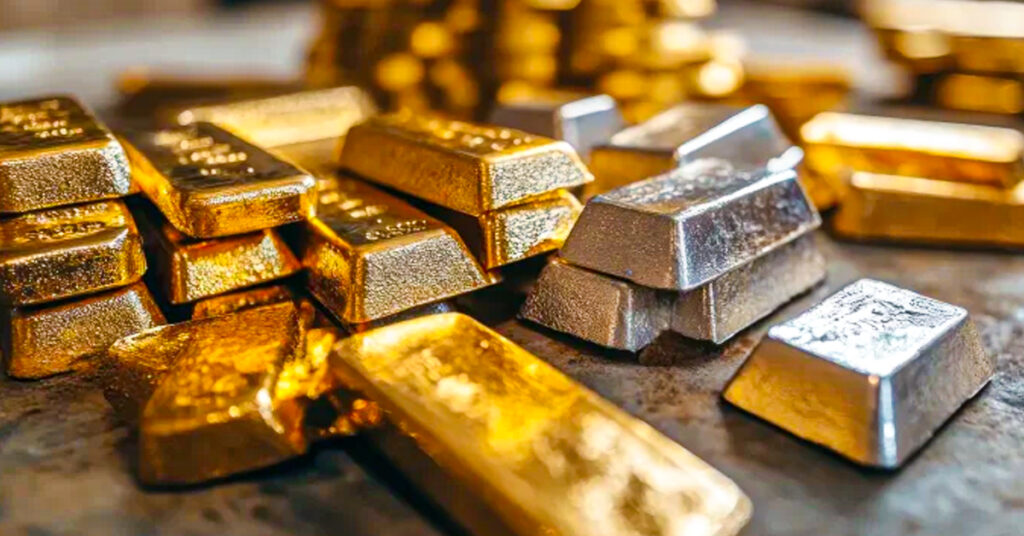
Why Gold and Silver Prices Are Likely to Stay Firm
Gold and silver have once again proven why they are often called timeless assets. Even as global markets swing between optimism and uncertainty, these precious metals continue to attract investor attention. Despite periodic pullbacks, analysts widely believe that gold and silver are unlikely to lose their appeal anytime soon. Their resilience reflects deeper economic undercurrents—ranging from geopolitical tensions and currency movements to inflation expectations and central bank strategies.
The current phase of the market suggests that the glitter surrounding gold and silver is not just a short-term phenomenon, but part of a broader structural trend.
A Climate of Uncertainty Keeps Demand Alive
One of the biggest reasons gold and silver remain in demand is uncertainty. Global economies are navigating a complex mix of slowing growth in some regions, stubborn inflation in others, and geopolitical flashpoints that refuse to cool down. In such an environment, investors instinctively turn to assets that have historically preserved value during turmoil.
Gold, in particular, has long served as a hedge against instability. Silver, while more volatile due to its industrial use, often follows gold’s trajectory when risk sentiment weakens. Together, they form a defensive layer in many portfolios.
Also Read: Industrial Momentum Strengthens: December Output Growth Touches a 26-Month Peak
Central Banks Continue to Support Gold Prices
Central bank buying has emerged as a powerful force underpinning gold prices. Several countries have steadily increased their gold reserves in recent years, seeking to diversify away from over-reliance on major currencies. This steady institutional demand provides a strong floor for prices, even during phases of market correction.
Unlike speculative flows, central bank purchases are typically long-term in nature. This makes them a stabilising factor, reinforcing confidence that gold’s role in the global financial system remains intact.
Inflation Concerns Are Far From Over
While inflation has cooled from its peak in many economies, it has not disappeared. Price pressures remain uneven across sectors, and any resurgence—driven by energy shocks, supply disruptions, or policy changes—could quickly revive inflation fears.
Gold has traditionally performed well during periods when real interest rates remain low or negative. As long as inflation risks linger and rate cuts remain part of the long-term conversation, gold’s appeal as a store of value stays intact. Silver, too, benefits from this dynamic, though it tends to amplify both gains and losses.
Also Read: Indian Stock Market Rally As EU Deal Fuels Market Optimism
The Dollar’s Role in Shaping Price Movements
Movements in the US dollar play a crucial role in determining gold and silver prices. A weaker dollar generally makes precious metals cheaper for non-dollar buyers, boosting demand. Even when the dollar strengthens temporarily, gold often holds its ground if investors perceive broader economic risks.
This tug-of-war between currency strength and safe-haven demand explains why gold prices have remained relatively resilient despite shifting expectations around interest rates and monetary policy.
Silver’s Dual Personality Adds Depth to Its Outlook
Silver occupies a unique position among precious metals. It functions both as a store of value and as a critical industrial metal. Demand from sectors such as electronics, renewable energy, electric vehicles, and solar power continues to grow, giving silver a structural demand base beyond investment flows.
This dual nature can make silver more volatile than gold, but it also provides upside potential during periods of industrial expansion. As economies invest more heavily in green energy and technology, silver’s long-term demand outlook remains compelling.
Investment Behaviour Reflects a Long-Term Mindset
Another factor supporting gold and silver prices is a shift in investor behaviour. Rather than chasing quick gains, many investors are using precious metals as long-term hedges against uncertainty. Exchange-traded products, physical purchases, and digital gold platforms have all seen sustained interest.
This steady accumulation reduces the likelihood of sharp collapses, even when short-term sentiment fluctuates. Instead of dramatic boom-and-bust cycles, the market is increasingly characterised by consolidation followed by gradual upward movement.
Geopolitics Continues to Shape Market Sentiment
Geopolitical developments remain a powerful catalyst for precious metal prices. Conflicts, trade tensions, and diplomatic standoffs create an environment where risk assets feel vulnerable. In such moments, gold and silver regain their status as safe harbours.
Even when tensions ease temporarily, the underlying unpredictability keeps a portion of global capital parked in precious metals. This persistent demand ensures that any price corrections tend to be shallow rather than severe.
Also Read: Gold Breaks $5,200 as Global Uncertainty Drives Historic Safe-Haven Rush
What Lies Ahead for Gold and Silver?
Looking ahead, most analysts expect gold and silver to remain well-supported. While short-term corrections are always possible, especially during periods of optimism in equity markets, the broader fundamentals favour stability and gradual appreciation.
Gold is likely to continue benefiting from central bank demand, inflation hedging, and geopolitical uncertainty. Silver may experience sharper swings but could outperform during phases of industrial growth and renewed investment in clean energy.
Rather than losing their glitter, gold and silver appear poised to remain central to global investment strategies.
Conclusion
Gold and silver have weathered countless economic cycles, policy shifts, and geopolitical storms—and their relevance remains undiminished. The current environment reinforces their role as both protectors of wealth and strategic assets. While markets may fluctuate and narratives may change, the enduring appeal of precious metals suggests that their shine is far from fading.
FAQs
Q1. Why are gold and silver still considered safe-haven assets?
They preserve value during economic uncertainty, inflation, and geopolitical instability.
Q2. Does central bank buying really impact gold prices?
Yes. Large-scale, long-term purchases by central banks create strong price support.
Q3. Why is silver more volatile than gold?
Silver has significant industrial demand, making it more sensitive to economic cycles.
Q4. Can gold prices fall sharply in the near term?
Short-term corrections are possible, but strong fundamentals limit downside risks.
Q5. Are gold and silver suitable for long-term investors?
Yes. Many investors use them as portfolio stabilisers and inflation hedges over the long term.