When Silence Turns Dangerous: Lessons for Young Minds and Families
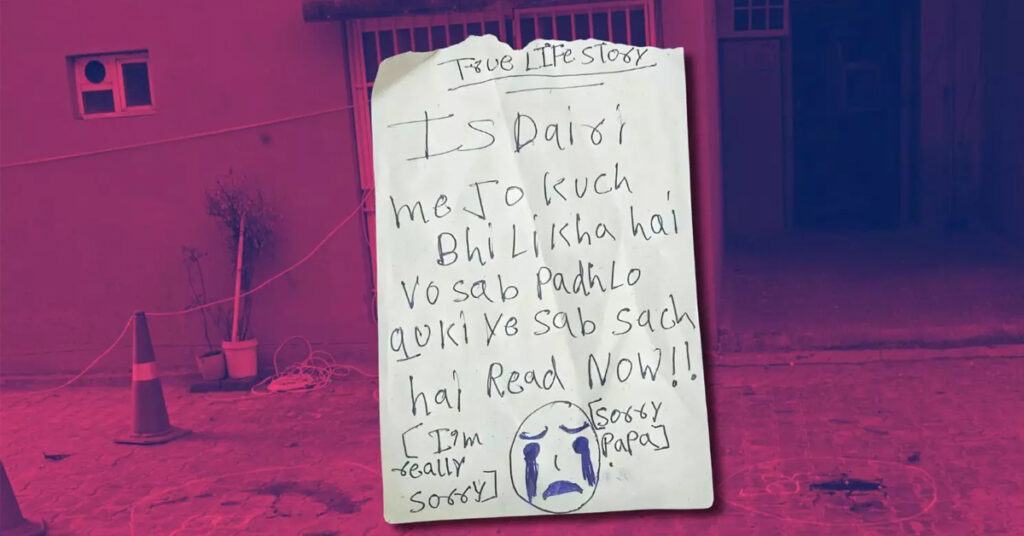
The recent tragedy involving two sisters in Ghaziabad has shaken many across the country—not only because of the outcome, but because of what it quietly reveals about emotional neglect, unspoken distress, and the dangerous normalization of suffering. Behind the headlines lies a deeper story that demands reflection, especially from young Indians and parents who may underestimate the weight of mental and emotional pressure.
This is not a story about blame. It is a wake-up call.
Also Read: Recent ISRO Mission Failures: Technical Glitches or Hidden Sabotage?
Beyond the Incident: Why This Case Matters
Incidents like this often get reduced to shocking news bites. But when young lives are lost, the real question is not what happened, but why no one noticed earlier.
Mental distress rarely arrives loudly. It grows silently—through ignored emotions, constant pressure to “adjust,” fear of disappointing family, and the belief that pain must be endured quietly. For many young people, especially girls, emotional distress is often dismissed as moodiness, weakness, or overthinking.
That dismissal can be deadly.
The Silent Pressure on Young Indians
Today’s young Indians grow up in a world of contradiction. They are encouraged to dream big but expected to obey quietly. They are told to express themselves, yet punished when their emotions disrupt family comfort or social norms.
Academic pressure, social comparison, fear of failure, relationship struggles, body image issues, and digital exposure all pile up—often without safe spaces to unload emotional weight.
When young people feel unheard repeatedly, they may stop trying to speak altogether.
The Danger of Normalizing Emotional Pain
One of the most harmful cultural habits is telling children to “adjust,” “be strong,” or “move on” without acknowledging their pain. While resilience is important, emotional suppression is not resilience—it is denial.
When pain is normalized as something to be tolerated rather than addressed, young people internalize the idea that their suffering is not valid enough to be spoken about.
Over time, silence begins to feel permanent.
Where Parents Often Miss the Signs
Many parents love deeply but lack emotional literacy. Warning signs of severe distress are often misunderstood or overlooked, especially when children appear “well-behaved” or high-performing.
Common red flags include emotional withdrawal, drastic mood changes, sudden isolation, expressions of hopelessness, or giving away personal belongings. Unfortunately, these signs are often brushed aside as phases.
Parents may not realize that listening without judgment can be life-saving.
Also Read: Space Events to Watch in 2026: Major Missions, Moon Returns and India’s Rising Space Power
Why Communication Matters More Than Control
Young people do not need perfect parents—they need present ones.
Control-based parenting, where obedience matters more than understanding, creates emotional distance. Children raised in such environments may fear consequences more than they trust conversations.
Open dialogue does not weaken authority; it strengthens connection. When young people know they can speak freely without ridicule or punishment, they are more likely to seek help before crisis hits.
The Role of Schools and Society
Mental health education in schools remains insufficient. Emotional well-being is often treated as secondary to grades and discipline. Teachers, counselors, and institutions must play a proactive role in identifying distress and encouraging help-seeking behavior.
Society, too, must stop equating emotional vulnerability with weakness. Seeking help is not a failure—it is a survival skill.
A Message to Young People: Your Pain Is Real
If you are young and struggling, know this: your feelings are valid—even if others don’t understand them yet.
Pain does not need to be extreme to deserve attention. You are not being dramatic. You are not weak. You do not need to carry everything alone.
Also Read: Artemis II Countdown Halt: Key Implications
Talking is not burdening someone—it is giving them a chance to help.
A Message to Parents: Listening Can Save Lives
Parents don’t need to have all the answers. What children need most is to be heard, believed, and taken seriously.
Ask questions. Sit quietly. Resist the urge to lecture. Create a space where emotions are allowed without fear.
Sometimes, the difference between safety and tragedy is one honest conversation.
Turning Tragedy into Awareness
The Ghaziabad incident should not fade into another forgotten headline. It should spark conversations in homes, classrooms, and communities.
Mental health awareness is not optional anymore—it is essential.
By learning from this tragedy, society can move one step closer to ensuring that no young person feels that silence is their only option.
Conclusion: Saying “No, It’s Not Okay” Is the First Step
Pain should never be normalized to the point of invisibility. Saying “no, it’s not okay” to emotional neglect, silence, and stigma is the first step toward change.
If this story makes even one parent listen more closely or one young person speak up, then awareness has already begun.
FAQs
Q1. Why is it important to talk about such incidents sensitively?
Sensitive discussion prevents harm, avoids glorification, and focuses attention on prevention and awareness.
Q2. What should parents do if they notice emotional changes in their child?
Sensitive discussion prevents harm, avoids glorification, and focuses attention on prevention and awareness.