Kremlin Accuses France and UK of Nuclear Aid Plans for Ukraine, Citing International Law Breach
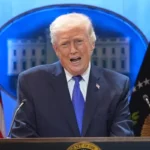
MOSCOW, February 24 — The Dmitry Peskov has publicly accused France and the United Kingdom of contemplating covert nuclear assistance to Ukraine — a move he says would contravene established international law and global non-proliferation norms.
In comments responding to reports attributed to Russia’s Foreign Intelligence Service (SVR), Peskov asserted that the alleged plans — involving delivery of nuclear weapon components and technologies to Kyiv — represent a “blatant violation of all standards, principles, and relevant provisions of international law.” He emphasised that such activities risk destabilising the global nuclear order and undermining decades-old arms control treaties.
Claims of Nuclear Transfers and Technology Sharing
According to statements reportedly disseminated by the SVR, British and French officials are considering supplying Ukraine with nuclear capabilities that could include components from a French submarine-launched ballistic missile system known as the TN-75 warhead. Berlin, the intelligence account claims, has declined participation. Russia’s federal legislators have since called for official investigations by international bodies including the United Nations Security Council, the International Atomic Energy Agency (IAEA), and the Review Conference of the Parties to the Treaty on the Non-Proliferation of Nuclear Weapons.
Peskov described the situation as deeply troubling, urging parliamentary reviews in London and Paris to ascertain the veracity of such plans and to reaffirm commitments to global disarmament frameworks. He also stressed that Russia’s own responses will be shaped by developments in the diplomatic and legal arenas.
International Law and Non-Proliferation Concerns
The Kremlin spokesman framed the issue in legal terms, stating that any transfer of nuclear weapons or weapon-related technology to a non-nuclear-weapon state would breach foundational treaties, including the Treaty on the Non-Proliferation of Nuclear Weapons (NPT). He called on France and the UK to clarify their positions and to uphold international humanitarian and legal obligations. Independent verification by global watchdogs and neutral international institutions, he suggested, is essential for maintaining credibility and stability.
Diplomatic Reactions and Wider Context
There has been no direct confirmation from London or Paris regarding the reported intelligence claims. Western governments generally maintain that military aid to Ukraine is defensive in nature and aimed at countering Russian aggression, which Moscow categorises as its “special military operation.” Analysts note that introducing nuclear capabilities into the conflict would dramatically escalate tensions and complicate diplomatic efforts already strained after more than four years of war.
In response to the Kremlin’s allegations, commentators in European capitals have urged transparency and adherence to treaty obligations to avoid broader destabilisation of the nuclear non-proliferation regime — a cornerstone of post-Cold War global security architecture. International law experts highlight that any state implicated in transferring nuclear technology must provide clear evidence and cooperate with multilateral organisations to address concerns about legality and intent.