EU Escalates Crackdown on Russia’s Oil Shadow Fleet
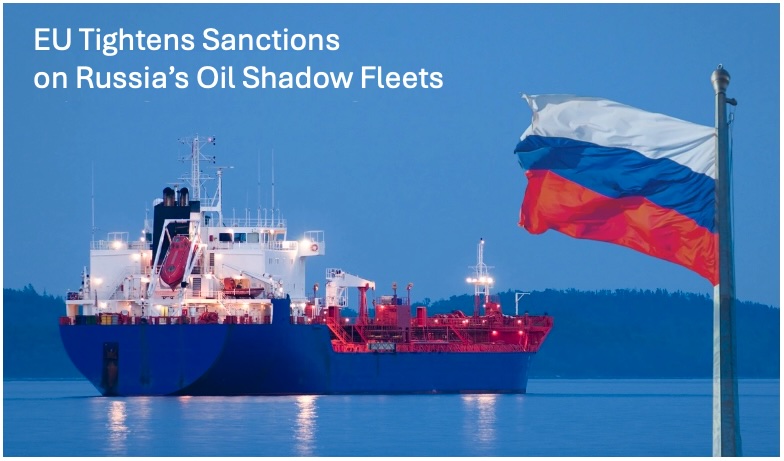
BRUSSELS — The European Union has intensified its campaign against Russia’s oil shadow fleet, unveiling a new round of targeted sanctions that blacklist 40 additional oil tankers and penalise shipping companies in the United Arab Emirates, Vietnam and Russia accused of helping Moscow evade international price caps and export controls.
The move marks a significant shift in the EU’s sanctions strategy, signalling a transition from large, infrequent packages to rolling, vessel-by-vessel enforcement, as Brussels seeks to close loopholes that have allowed Russian crude to continue flowing despite restrictions imposed after the invasion of Ukraine.
A Shift to Rolling Sanctions
EU foreign ministers approved the measures at a meeting in Brussels, expanding the bloc’s blacklist beyond previous large-scale sanctions rounds. EU High Representative Kaja Kallas said the decision reflects a new approach, under which vessels and facilitators linked to Russia’s oil exports will be added on an ongoing basis rather than waiting for comprehensive sanctions packages.
Officials described the move as the first expansion of Russia-related sanctions outside a major package since the start of the Ukraine war, underscoring growing frustration within the bloc over Moscow’s ability to sustain oil revenues through opaque shipping networks.
Shipping Firms Added to Sanctions List
As part of the decision, the EU sanctioned Nova Shipmanagement LLC-FZ and Citrine Marine SPC, both based in the UAE, along with Hung Phat Maritime Trading of Vietnam. A Russian firm, Severtransbunker, was also listed. Brussels said these entities operated or managed tankers linked to Russia’s shadow fleet, enabling the transport of sanctioned oil while concealing its true origin.
The listings impose asset freezes, prohibit dealings with EU companies, and block access to European financial and maritime services. EU officials said the intent is to disrupt not only ship movements but also the commercial ecosystem that sustains them, including insurance, classification, financing and port access.
Forty More Tankers Blacklisted
Alongside the corporate sanctions, the EU blacklisted 40 additional tankers believed to be carrying Russian crude or refined products in circumvention of G7 price caps. These vessels now face port bans and service prohibitions across the bloc, extending pressure on ships operating under opaque ownership structures, flags of convenience or frequently changing registries.
EU officials said the vessels form part of a broader network of more than 400 ageing tankers that collectively make up Russia’s so-called shadow fleet.
How the Shadow Fleet Operates
According to EU statements and supporting analyses, Russia’s oil shadow fleet relies on a range of evasive practices to bypass sanctions. These include ship-to-ship transfers in international waters, spoofed or disabled tracking systems, masked beneficial ownership and the use of under-regulated insurers.
Brussels has repeatedly warned that such practices not only undermine sanctions but also increase environmental and maritime safety risks, as many of the vessels are older and operate outside recognised insurance and compliance frameworks.
Economic Pressure on Moscow’s War Effort
By sanctioning both ships and operators, the EU aims to choke off critical services that allow Russian oil to reach global markets outside the rules. Officials argue that restricting these revenue streams is central to weakening Moscow’s ability to fund its war in Ukraine.
However, some EU member states have voiced concern over potential ripple effects on global oil markets, freight rates and energy security, particularly if enforcement tightens further or disrupts supply chains to Asia.
Political Signal to Third Countries
The inclusion of companies based in the UAE and Vietnam sends a clear political signal that third-country enablers will no longer be shielded from EU sanctions. EU diplomats said the listings demonstrate Brussels’ willingness to test cooperation with partner governments and to impose costs on firms operating beyond traditional Western jurisdictions.
Kallas and other officials framed the move as part of a broader effort to close enforcement gaps and deter future participation in shadow fleet operations.
What Comes Next
EU officials indicated that additional vessels and facilitators could be added monthly, as investigators continue mapping ownership networks and tracking high-risk voyages in regions such as the Black Sea, Mediterranean and waters around Türkiye.
For Russia, the tightening net raises the cost of maintaining its alternative export system, potentially forcing deeper price discounts or more complex shipping arrangements to sustain sales to Asia and other buyers. For the EU, the measures reflect a growing recognition that sanctions effectiveness now hinges less on headline announcements and more on persistent, granular enforcement.