Erdogan Warns Russia and Ukraine as Black Sea Shipping Comes Under Fire
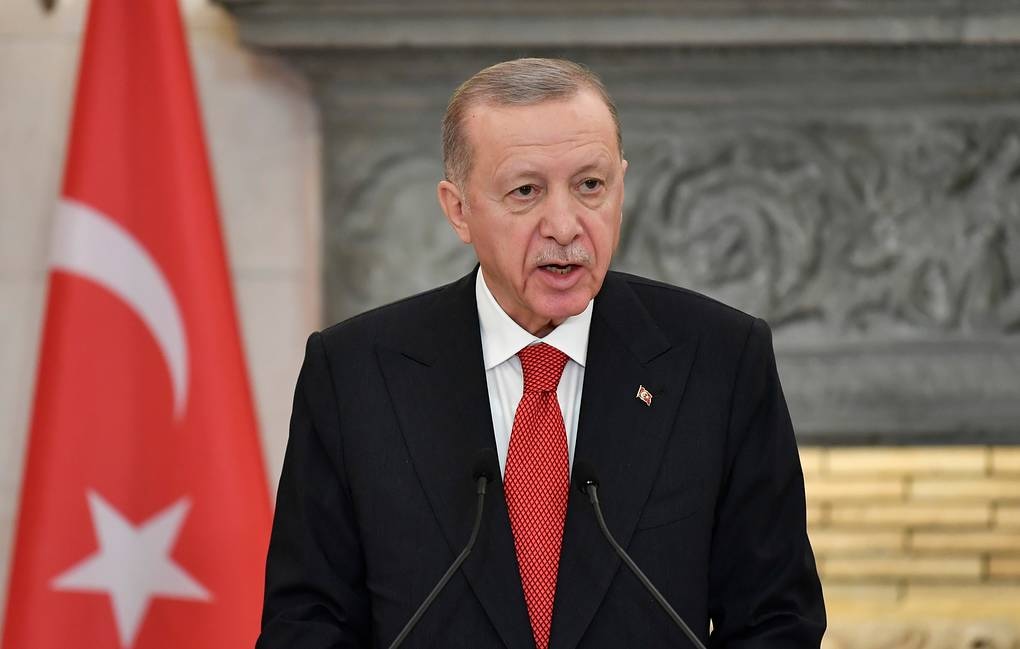
ISTANBUL — Turkish President Recep Tayyip Erdogan has issued a fresh and unusually blunt warning to both Russia and Ukraine, cautioning that escalating attacks on merchant and civilian shipping in the Black Sea pose a “serious threat” to navigation and risk dragging the region into a wider maritime conflict that would benefit no party.
Speaking to Turkish ambassadors in Istanbul, Erdogan said recent strikes on commercial vessels had crossed a dangerous threshold, stressing that attacks on shipping lanes, tankers and grain-corridor traffic were “not good for anyone.” His remarks come amid a sharp rise in drone warfare at sea, with Ukrainian strikes on Russian oil tankers followed by Russian retaliation that has damaged Turkish-owned vessels operating near Ukrainian ports.
Turkey Reasserts Its Role as Black Sea Gatekeeper
Erdogan used the address to underline Turkey’s long-standing diplomatic and legal role in the Black Sea, recalling that Ankara hosted multiple rounds of early Russia-Ukraine peace talks and brokered key humanitarian arrangements, including the Black Sea Grain Initiative and prisoner exchanges.
He also reaffirmed Turkey’s strict adherence to the 1936 Montreux Convention, which governs passage through the Bosphorus and Dardanelles. Erdogan stressed that Ankara’s decision to close the straits to warships of the warring parties had so far prevented the conflict from spilling into a direct naval confrontation. Safeguarding freedom of navigation, he said, remained central to preventing a broader escalation in the region.
Ukrainian Drones Target Russia’s Shadow Fleet
Tensions have intensified since late November, when Ukrainian maritime drones began striking Russian-linked oil tankers operating in or near the Black Sea. Ukrainian and Western sources say the attacks targeted vessels tied to Russia’s so-called “shadow fleet”, a network of tankers used to move oil outside Western sanctions and price caps.
Among the ships reportedly hit were the Kairos, Virat and Midvolga-2, some of them operating close to Turkey’s exclusive economic zone. Kyiv has framed the strikes as legitimate military actions against sanctioned Russian assets that help fund Moscow’s war effort. However, Ankara has repeatedly warned that drone attacks near its waters represent a dangerous escalation that threatens all commercial shipping in the Black Sea.
Ankara Voices Early Alarm
Turkish officials were quick to voice concern as the Ukrainian campaign against shadow fleet tankers expanded. Erdogan and senior figures in Ankara described the strikes as “worrying” and cautioned that continued drone activity in congested shipping lanes could draw neutral states and civilian vessels into the conflict.
Turkey’s concerns are amplified by its heavy exposure to Black Sea trade. Turkish shipping companies, insurers and port operators play a central role in regional maritime commerce, making Ankara particularly sensitive to any disruption of navigation or insurance cover.
Russian Retaliation Hits Turkish-Owned Vessels
Following the tanker strikes, Russia intensified its own drone and missile attacks on Ukrainian ports, and several Turkish-owned or Turkish-flagged vessels were damaged in the process. In mid-December, Russian drones struck ships operating in and around Odesa and Chornomorsk, including the roll-on/roll-off vessel CENK-T.
In a separate incident, a Turkish-crewed cargo vessel identified as VIVA, which was carrying sunflower oil along Ukraine’s grain corridor to Egypt, was damaged in a drone strike. Ukrainian and Turkish reports described the vessel as a clearly civilian ship operating inside Ukraine’s exclusive economic zone at the time of the attack.
Growing Diplomatic Friction
Ankara lodged protests following the incidents, with Turkish officials linking the damage to a broader tit-for-tat cycle at sea. According to Turkish assessments, Ukrainian drone strikes on Russian oil tankers have increasingly been followed by Russian attacks on commercial shipping associated with Turkey or operating from Ukrainian ports.
This pattern, officials warn, risks turning the Black Sea into a de facto maritime battleground where civilian vessels become leverage in a wider strategic contest.
Erdogan Sharpens His Warning
Erdogan’s latest comments come after Turkey shot down an “out of control” drone approaching from the Black Sea, an incident that further heightened Ankara’s alarm. The president made clear that Turkey was now issuing a direct warning to both Moscow and Kyiv, signalling frustration that earlier appeals to keep merchant shipping off-limits had not been heeded.
He reiterated that any strike on civilian vessels was “unacceptable” and warned that continued escalation at sea could undermine Turkey’s ability to act as mediator, grain-corridor guarantor and regional stabiliser.
High Stakes for the Black Sea and Beyond
For Turkey, the stakes are both strategic and economic. Repeated attacks on shipping threaten insurance availability, freight rates and food supply routes, while also testing the limits of the Montreux framework that Ankara views as a cornerstone of regional stability.
Erdogan’s intervention underscores a stark message to both Russia and Ukraine: unless drone warfare at sea is curtailed, the Black Sea risks sliding from a managed conflict zone into a broader “shipping war”, with consequences extending beyond the region to NATO waters and global trade flows.