By ARAV KUMAR CHAND
Why India Produces More World-Class Batters Than Fast Bowlers
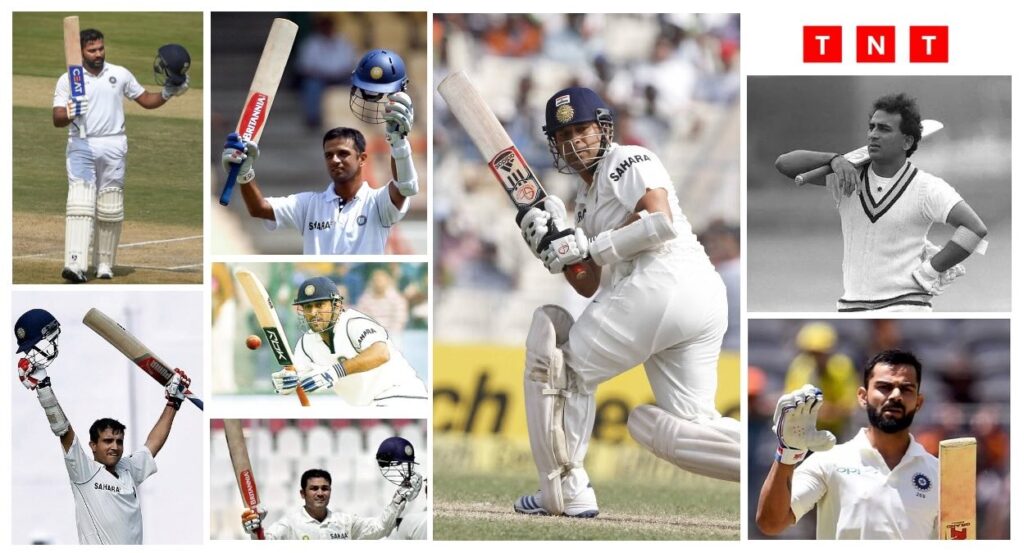
India has never struggled to find batting talent. From Sunil Gavaskar to Virat Kohli and Rohit Sharma, and now a steady pipeline of young run-scorers like Vaibhav Suryawanshi – a sensation, the country consistently produces world-class batters. However, when it comes to fast bowlers — especially genuinely lethal and consistent ones — India has historically lagged behind.
This imbalance is not accidental. It is structural.
Batting-Friendly Conditions Shape Mindsets
Indian pitches, particularly at junior and domestic levels, are traditionally slow and batting-friendly. Young cricketers grow up learning how to bat for long hours rather than how to bowl sustained fast spells. On flat tracks, batters build confidence quickly, while bowlers are taught control and containment instead of aggression.
Over time, this environment naturally tilts player development in favour of batting.
Coaching Bias at the Grassroots
At school and academy levels, the most athletic children are often encouraged to become batters rather than bowlers. Batting is perceived as safer, more glamorous, and more rewarding. Fast bowling, by contrast, is seen as physically risky and injury-prone.
As a result, many potential pacers are redirected early, long before their abilities can be properly developed.
The IPL Effect
The Indian Premier League has transformed Indian cricket, but its impact has been uneven. Short-format cricket rewards explosive batting, innovation, and instant results. Young players are exposed to world-class batting techniques early in their careers.
Bowlers, however, are often pushed into defensive roles. Economy rates are prioritised over wicket-taking skills, limiting the development of attacking fast bowlers.
Physical and Fitness Challenges
Fast bowling demands exceptional fitness, strength, and careful workload management. For decades, India lacked advanced sports science support, pace-friendly training facilities, and robust injury rehabilitation systems.
In contrast, countries like Australia, South Africa, and England invested in structured fast-bowling programmes much earlier, giving their pacers a developmental advantage.
Fear of Injuries and Short Careers
Parents and coaches frequently steer children away from fast bowling due to concerns about injuries. Stress fractures, back problems, and burnout are common risks for pacers. Batting, by comparison, offers longer careers and fewer physical setbacks.
In a cricket-obsessed country, safety and longevity often influence early career choices.
Late Evolution, Not Absence of Talent
India’s recent success with fast bowlers proves that talent was never the problem. The emergence of Jasprit Bumrah, Mohammed Shami, Mohammed Siraj, and improved pace depth reflects systemic change rather than sudden discovery.
Better fitness regimes, overseas exposure, and scientific workload management have finally begun to correct the imbalance.
Spin Tradition Overshadowing Pace
India’s historic success with spin bowling also played a role. Young bowlers were frequently encouraged to become spinners, particularly in subcontinental conditions. While this produced legendary spinners, it delayed the formation of a strong pace-bowling culture.
Spin thrived. Pace waited.
The Bigger Picture
India produces batters faster than bowlers because the system rewards batting early, protects it culturally, and markets it commercially. Bowling excellence demands patience, risk, and sustained investment — elements Indian cricket embraced relatively late.
The gap is narrowing. Yet until fast bowling is given the same respect, security, and long-term planning as batting, India’s talent pipeline will continue to lean towards the bat.