Asia Cup India Pakistan Drama: Thrills, Controversies, and Cricketing Dominance Unfold
The Asia Cup 2025 cricket tournament between India and Pakistan was a gripping saga filled with dramatic moments, legal battles, and India’s commanding superiority, setting the stage for both sporting and off-field tension. From Public Interest Litigation (PIL) challenges before the first match to fiery on-field clashes and contentious (no) trophy presentations, the series offered an intense blend of competition and political symbolism.
Legal Challenge and Supreme Court Decision Before the First Match
Before the eagerly awaited first encounter on September 14, 2025, a PIL was filed in the Supreme Court of India seeking to cancel the India-Pakistan match scheduled in Dubai. Petitioners cited ongoing tensions after incidents such as recent terror attacks and argued that playing Pakistan was against India’s national interests. However, the Supreme Court declined to grant an urgent hearing, directing the match to proceed as scheduled with the statement, “The match must go on.” This legal denial set the tone for a tournament shadowed by higher stakes than just cricket.
India’s Dominant Performance and Handshake Controversy
India’s Refusal to Shake Hands
When the teams met on the field for the opening match, India made a strong statement by refusing to shake hands with the Pakistani players, underscoring the fraught political backdrop. This act of defiance drew immediate global attention, igniting debates over sportsmanship versus national pride.
Suryakumar Yadav’s Dedication to Armed Forces and Victims of Pahalgam
India asserted dominance by comfortably defeating Pakistan in this first match, bowling Pakistan out for 127 runs and achieving the target with 7 wickets in hand. Indian batsman Suryakumar Yadav emotionally dedicated the victory to the Indian Armed Forces and the victims of Pahalgam terrorist attack, an act that resonated with the home crowd and added a patriotic fervour to the cricketing excellence displayed on the field.
Pakistan’s Protests and ICC’s Role in Managing Disputes
Following the match, Pakistan lodged formal complaints regarding India’s refusal to shake hands, alleging unsportsmanlike conduct, while India countered with complaints about Pakistan’s on-field behaviour. Pakistan escalated the tensions by demanding the removal of match referee Andy Pycroft, accusing him of bias in handling the controversy. The International Cricket Council (ICC) firmly rejected this demand after a thorough investigation. Subsequent meetings facilitated by the ICC led to a fragile settlement aimed at calming the volatile atmosphere and ensuring the tournament’s smooth continuation.
Continued Drama and India’s Superiority in the Second Match
Allegations of On-field Misconduct
The second India-Pakistan match, held during the Super 4 stage, continued to be as dramatic as the first. Once again, Indian players ignored attempts at camaraderie from their Pakistani opponents. On the field, the match was marred by unwarranted gestures, including provocative actions such as a player mimicking a gunshot with his bat after scoring a fifty. Such gestures, including Haris Rauf’s controversial plane-downing mimic, were widely deemed inappropriate and unfit for the spirit of the game, sparking explosive allegations and counter-allegations between the teams. These incidents further fuelled the emotional intensity of the contest and drew sharp criticism from both camps.
Score Summary and Highlights
India once more dominated comprehensively, chasing down Pakistan’s modest total of 143 runs with ease by 7 wickets. The Indian bowling attack tightened the screws on Pakistan’s batting lineup, ensuring a decisive victory that reinforced India’s cricketing superiority in the tournament.
Climactic Final Match and Trophy Presentation Drama
Match Outcome and Scores
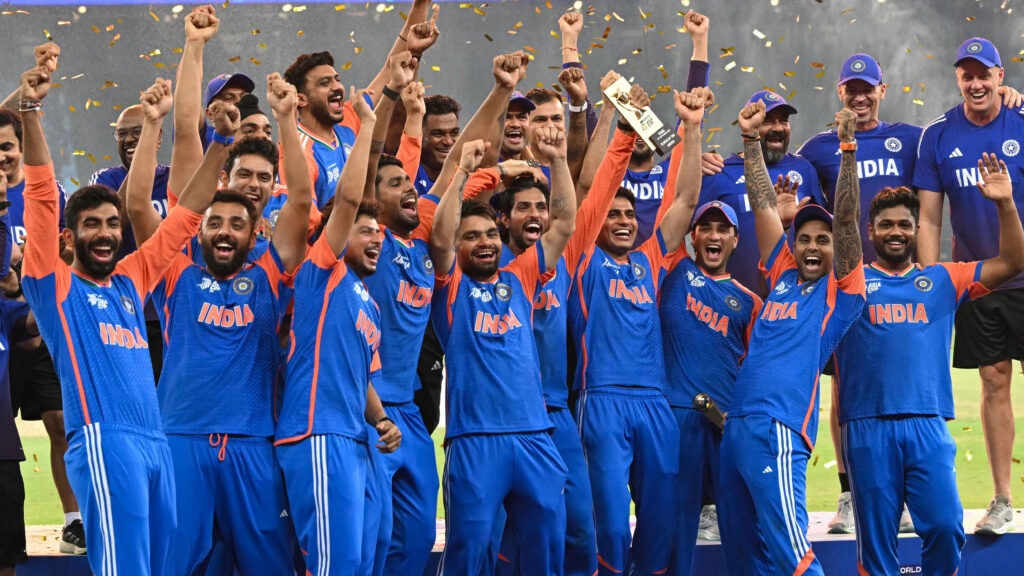
The final on September 28, 2025, was historic—it was the first time India and Pakistan met in an Asia Cup final. In a thrilling low-scoring match, Pakistan was bowled out for 146 runs, with notable performances from Sahibzada Farhan (57) and Fakhar Zaman (46). India’s chase was steady under pressure, led by Tilak Varma’s unbeaten 69 and Shivam Dube’s 33, steering India to a 5-wicket victory with two balls to spare, clinching their ninth Asia Cup title.
Trophy Presentation Incident
However, the post-match trophy ceremony sparked fresh controversy. India’s players refused to accept the Asia Cup trophy from Mohsin Naqvi, the Asian Cricket Council president and Pakistan Cricket Board chairman, citing the ongoing political tensions and conflict between the two countries.
Eventually, the trophy was not formally handed over to the Indian team despite their victory. After a long delay, the ceremony proceeded only with the distribution of individual awards, while the trophy remained unpresented. Mohsin Naqvi stayed on stage for nearly 20 minutes, but the Indian players made it clear they would not accept the trophy from him. This led to a rare and tense moment in cricket history, where the champions left without lifting the trophy from the official presenter. The trophy was eventually taken away by Naqvi amid the tense atmosphere.
Indian players also maintained their refusal to shake hands with Pakistani players after the final, marking a significant departure from traditional sportsmanship and leaving an enduring mark on cricketing history.
Impact and Legacy of Asia Cup India Pakistan Encounters
The Asia Cup 2025 India-Pakistan series was much more than a sporting contest—it was a complex theatre of diplomacy, national pride, and geopolitical tension. India’s clear dominance on the field contrasted sharply with the off-field disturbances, protests, and diplomatic exchanges reflected in every act from handshake refusals to dispute resolutions by ICC. While the Indian team celebrated historic victories, Pakistan’s vehement protests and controversies detracted somewhat from the spirit of cricket as a connector between nations.
This tournament illustrated how deeply intertwined sport and politics remain in South Asia. For cricket fans worldwide, it was a tournament rich with thrilling cricket, but also layered with narratives of conflict and resilience, adding dramatic dimension to one of the sport’s most intense rivalries.