America’s Federal Shutdown: An Unfamiliar Crisis for Rest of the World
Introduction: What Is a US Government Shutdown?
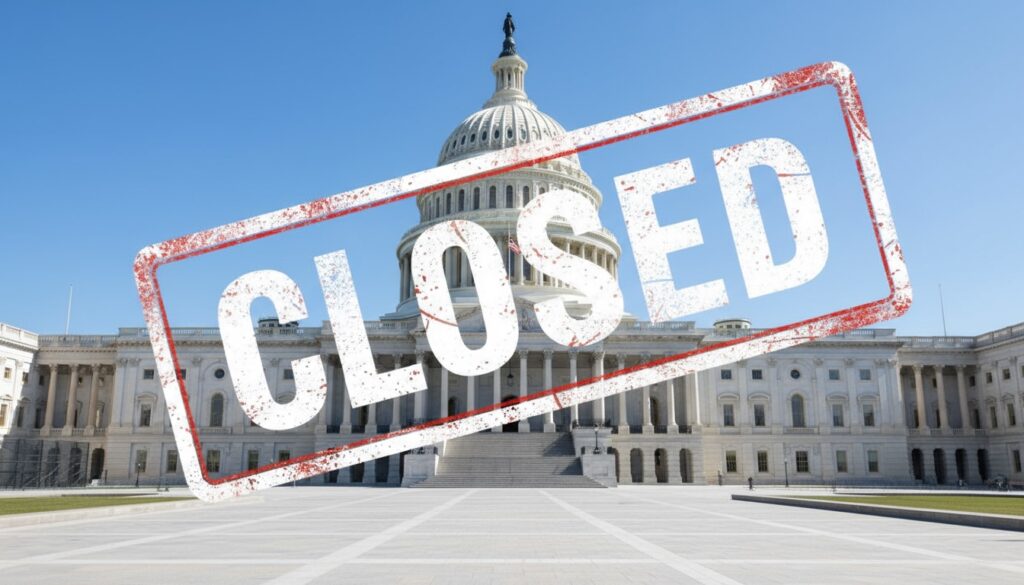
A US government shutdown is a unique political event. It occurs when lawmakers in Washington, D.C. fail to authorise federal spending before a legal deadline, forcing government agencies to halt operations for which funds are unavailable. Only vital services continue, and hundreds of thousands lose pay or work as a result. This phenomenon is virtually unknown outside the United States, making headlines worldwide.
How Does a Shutdown Happen?
Every financial year, Congress must pass budget bills to keep the government running. When parties fail to agree, spending lapses. The Constitution and US law demand funding before agencies can legally operate, so when money runs out, the government “shuts down”. No other major democracy—including India or the UK—has such a process.
What Happens During a Shutdown?
- Non-essential federal workers are furloughed (sent home unpaid).
- Essential workers (military, law enforcement, emergency staff) remain on duty but do not get paid until the shutdown ends.
- Public services such as museums, parks, visa processing, and federal websites close or offer limited access.
- Contractors and associated businesses lose government work and income.
- Welfare programmes (like Social Security) mostly continue, but administrative delays occur.
A shutdown can disrupt life for millions, halt scientific research, and create lasting uncertainty in daily business.
How Long Does a Shutdown Last?
Shutdowns end only when Congress and the White House resolve their disputes and pass new funding laws. The duration ranges from hours to weeks. The longest government shutdown in American history lasted 35 days, from December 22, 2018, to January 25, 2019, during President Donald Trump’s first term, impacting the American economy and government morale.
Historical Shutdowns and Global Context
Causes Behind the 2025 Shutdown
This year’s deadlock was triggered by:
Disagreement over healthcare and Medicaid funding: Democrats demanded higher spending, while President Trump’s majority wanted major cuts.
Procedural gridlock: The parties failed to pass temporary funding; a crucial Senate vote failed by five votes.
Hardline politics: Both Trump and right-leaning Republicans refused to compromise, hoping for greater leverage. Democrats stood firm on public health priorities.
Election-year strategy: Politicians were keen to show toughness, playing to their support bases before midterm elections.
This mix of budget conflict, political brinkmanship, and legislative breakdown created conditions for the latest shutdown.
Economic Effects: Does a Shutdown Cause Recession?
Shutdowns do not guarantee nationwide recession, but the risks are real:
- Delayed pay for millions creates immediate hardship and hits consumer spending.
- Business contracts, travel, and supply chains can stall, hurting local economies.
- Prolonged shutdowns have previously cut billions from GDP and severely dented investor confidence.
- Global markets are affected as uncertainty from Washington ripples outward.
- Routine shutdowns avoid recession, but longer shutdowns heighten the risk.
Indirect effects include delays in international student visas, tourist travel, and business deals with the US, impacting foreign economies as well.
An Unusual Crisis: Why Only America?
Other democracies, including India, face budget delays but never shut down essential services. The US system’s strict legal requirements—dating back to the 1970s—make shutdowns possible. For observers worldwide, this is a fascinating example of democracy’s strengths and limits in practice.
Conclusion: What Happens Next?
America’s government shutdown may end in days or weeks, but each event leaves a mark on trust, economics, and the nation’s reputation. As the world watches Washington, businesses and ordinary citizens stand by for the latest developments. With each shutdown, global markets learn the effects of political gridlock—and why debate matters.