NATO Chief Mark Rutte’s Remarks About PM Modi Stir India
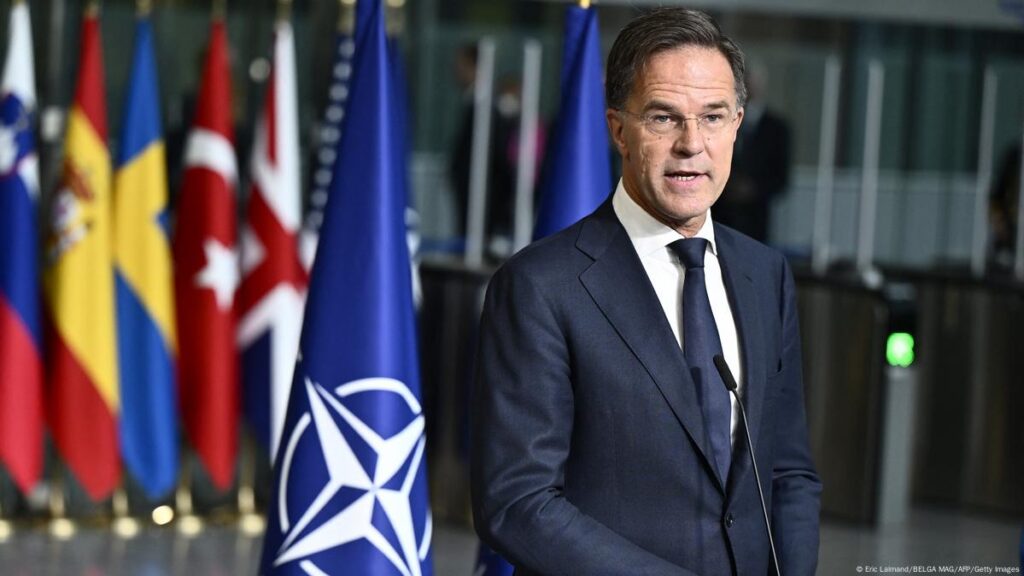
On September 24, 2025, NATO Secretary-General Mark Rutte claimed during the UN General Assembly in New York that Prime Minister Narendra Modi had contacted Russian President Vladimir Putin asking for Moscow’s strategy on Ukraine. Rutte stated:
“US tariffs on India’s Russian oil imports are having a big impact on Russia, and India is actively seeking clarification from Moscow on the Ukraine conflict.”
India swiftly rejected these claims. Ministry of External Affairs (MEA) spokesperson Randhir Jaiswal described the remarks as “entirely baseless”, “factually incorrect”, and “speculative and careless”. He emphasised that no such conversation had taken place and cautioned against misrepresenting diplomatic engagements of the Prime Minister. The MEA urged international leaders to maintain responsibility in their public statements.
Who Is Mark Rutte?
Mark Rutte, born in 1967, is a Dutch politician who became NATO’s 14th Secretary General in October 2024. Before this, he was the Netherlands’ longest-serving Prime Minister from 2010 to 2024. As NATO Secretary General, Rutte serves as the alliance’s chief political and diplomatic leader, facilitating consensus and representing NATO internationally. He chairs the North Atlantic Council and leads NATO’s international staff but does not command military forces. Operational command is held by the Supreme Allied Commander Europe (SACEUR), a US military officer.
Earlier July 2025 Statements and Related Reactions
Earlier in July 2025, Rutte warned India, China, and Brazil that they risked severe economic repercussions, including tariffs up to 100% on their exports if they continued importing Russian oil without pressuring Putin for peace talks on Ukraine. He said:
“There will be secondary sanctions if countries do not change their policies. We expect countries to act responsibly and avoid supporting conflict through energy trade.”
India responded by denouncing these threats as diplomatic overreach and economic coercion. The MEA highlighted Western double standards, pointing out EU and NATO countries continue buying Russian oil without similar sanctions. Indian officials reiterated that energy security is a sovereign right and crucial for economic stability.
India’s rejection reflected deep disapproval of these statements, stressing that sovereign decisions on trade and energy are non-negotiable. Analysts have considered NATO’s statements as an extension of US trade policy pressure rather than independent NATO strategy, with India reaffirming its commitment to balanced foreign policy.