When a Family Faced Dog Bite Scare: Life-saving Lessons About Rabies and Its Treatment
Imagine a calm evening turning into a nightmare when a family’s loved ones—mother and son—are suddenly bitten by a dog. The fear, confusion, and urgency that follow are overwhelming. What do you do next? How do you protect those bitten from a deadly disease like rabies? This story shines a light on the crucial steps, myths, and medical realities about rabies post-exposure treatment every citizen, especially in a society of pet owners and animal lovers, needs to know.
The Terrifying Incident That Changed Everything
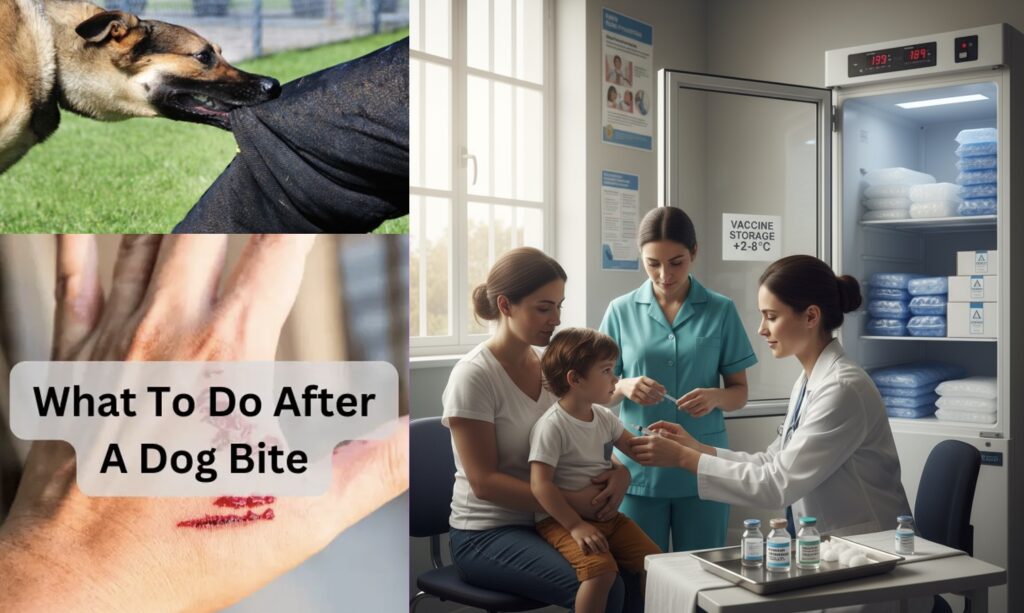
A family’s day took a sudden turn when a mother and her son were bitten by a neighbour’s pet dog while they were out for an evening walk. Active bleeding was evident, and therefore, they immediately rushed to a trusted hospital where doctors started a series of treatments with rabies vaccine, tetanus injection, and rabies immunoglobulin to protect them.
What made it even harder was the confusion caused by some neighbors and remarks from a sympathetic but poorly informed doctor from the community. Their comments added to the trauma, stress, and anxiety the family was already experiencing, making it tougher to navigate the treatment process. This shows how misinformation and stigma can complicate an already scary situation and why it’s important to rely on trusted medical professionals.
What Makes Rabies So Dangerous?
Rabies is no ordinary infection. It’s a virus that attacks the nervous system and, once symptoms appear, it’s almost always fatal. The virus enters through bite wounds and slowly travels along nerves to the brain—this invisible journey can take days to months. Without immediate action, the consequences are tragic.
Treatment That Literally Saves Lives: The Triple Approach
Doctors administered a combination of therapies to save the family members:
Rabies Vaccine (Zoonovac-V): A powerful vaccine given in multiple injections spaced over 28 days. This trains their immune systems to fight the rabies virus as it tries to invade.
Tetanus Injection (Bett Titanus): Because dog bites are susceptible to tetanus, this vaccine was given to prevent secondary infections.
Rabies Immunoglobulin (Twinrab Serum): This is the life-saving agent that provides immediate protection by flooding the bite site with antibodies to neutralize the virus before the vaccine’s protection kicks in. It is administered locally at and around each wound (encircling the wound with multiple small injections), and any remaining dose is given by intramuscular injection, usually in the buttocks.
In total, they received about a dozen injections (on first day itself)—some in their shoulders, others in the buttocks, and tiny ones infiltrated carefully around each bite wound. It was an intense but necessary battle against the virus.
Unpacking Common Myths That Could Cost Lives
Myth 1: “Just 3 or 4 vaccine injenctions are enough.”
The truth is, the vaccine series typically requires 5 doses administered on specific days (i.e., five injections spread as day – 0, 3, 7, 14 and 28) to build effective immunity. Some exceptions exist, but incomplete vaccination risks are grave.Myth 2: “If a vaccinated pet bit me, I’m safe.”
Even vaccinated dogs can carry risks due to vaccine failure or improper vaccination. There is no vaccine with 100% efficacy giving guaranteed full protection. Therefore, treatment is necessary unless the animal can be observed or tested immediately for rabies.Myth 3: “Preventive vaccines before exposure and post-exposure vaccines are the same.” Actually, they are very different. Pre-exposure vaccination is given to high-risk individuals as a precaution and requires fewer doses. Post-exposure vaccination is an emergency treatment needing more doses combined with immunoglobulin for unvaccinated individuals.
Why Every Injection and Schedule Matter
Rabies vaccine doesn’t provide immediate protection even if injected immediately after the incident. It takes about 7 to 14 days for your immune system to ramp up and start producing protective antibodies. That’s where immunoglobulin steps in, delivering ready-made antibodies directly to the wound, neutralizing the virus, and preventing it from reaching your nervous system. Skipping doses or delaying treatment can be fatal.
The Hidden Hero: Twinrab Serum
Twinrab Serum isn’t just any immunoglobulin—it’s a breakthrough. Made from two human monoclonal antibodies, it neutralizes a broad spectrum of rabies viruses safely and effectively. Compared to traditional immunoglobulins, Twinrab reduces allergic reactions and ensures consistent protection.
What You Must Know About Vaccine Safety
A critical point often overlooked—rabies vaccines must be stored under strict cold chain conditions. Exposure to heat during storage or transport can make vaccines less effective or useless. Always choose a trusted healthcare facility that adheres to proper vaccine handling protocols to guarantee your protection.
The First and Most Important Immediate Action Needed
The most important immediate step after a dog bite is to thoroughly wash the wound with soap and water to effectively wash away the dog’s saliva, which may contain rabies virus or harmful bacteria. This helps greatly reduce the risk of infection. However, this should be followed quickly by seeking medical care, especially if the wound is deep, bleeding, or otherwise severe, as professional treatment including further wound care, vaccination, and immunoglobulin administration may be necessary.
The Final Word: Protect Yourself and Your Loved Ones
If you or your family members ever face a dog bite, don’t hesitate—rush immediately to the emergency health care ward of a trusted hospital. Never rely on incomplete treatment, myths, or assumptions; rabies is almost always fatal without proper post-exposure prophylaxis (PEP). Immediate medical care and following the full vaccination and immunoglobulin protocol are your best defence. Understand the science, debunk myths, and take action. Rabies is preventable with timely treatment.
Disclaimer
This story reflects a personal experience combined with extensive research and medical consultations during treatment. It is created for awareness purposes and does not substitute professional medical advice. Always consult your healthcare provider for diagnosis and treatment tailored to your specific situation.