Vantara Jamnagar Supreme Court Verdict: Clean Chit Ends Controversy
In a landmark judgment that commanded nationwide attention, the Supreme Court of India on September 15, 2025, gave a clean chit to Vantara Jamnagar, the massive wildlife rescue and rehabilitation centre supported by the Reliance Foundation and led by Anant Ambani. The order, based on findings from a Special Investigation Team (SIT), ended months of heated debate, NGO protests, and legal disputes regarding the legality, transparency, and ethics of one of the world’s largest animal sanctuaries.
The Spark that Ignited the Controversy
The storm around Vantara Jamnagar began earlier this year with the controversial relocation of an elephant from a temple in Kolhapur to the facility in Gujarat. That single event triggered widespread criticism from NGOs and wildlife activists. Allegations emerged of unlawful animal acquisition, mistreatment, and even wildlife trafficking.
These charges quickly escalated to the courts through two Public Interest Litigations (PILs). Petitioners sought clarity on whether Vantara’s acquisitions complied with Indian wildlife laws and international treaties. Concerns went beyond legal issues; critics argued that the centre operated more as a private zoo than as a conservation project.
As controversy grew, questions multiplied about Vantara’s aggressive importation of animals. The sanctuary reportedly acquired mammals, birds, and reptiles from South Africa, Assam, and other regions across India and abroad. The Wildlife Animal Protection Forum of South Africa (WAPFSA) voiced strong objections, accusing the facility of opaque sourcing and poor captivity standards. Critics also feared that the centre’s strategic location within Reliance’s Jamnagar refinery site gave corporate advantages masked as conservation efforts.
Supreme Court Steps In with SIT Appointment
In response to rising petitions and public furor, the Supreme Court in August 2025 formed a four‑member SIT under retired Justice Jasti Chelameswar. The panel also comprised Justice Raghavendra Chauhan, former Mumbai Police Commissioner Hemant Nagrale, and ex‑IRS officer Anish Gupta.
The committee’s mandate was clear: assess Vantara’s practices across legal permissions, animal care, financial governance, and environmental compliance. The scope included review of acquisition processes, health standards, facility conditions, imports, and alleged links to wildlife trafficking.
Rigorous Probe, Comprehensive Findings
For several weeks, the SIT scrutinized Vantara Jamnagar. Inspections were carried out at the 3,000‑acre sanctuary. Authorities reviewed a large set of documents, permits, and veterinary records. Regulatory bodies such as the Central Zoo Authority, Forest Departments, Customs, and the Wildlife Crime Control Bureau were consulted.
The final SIT report found no basis for claims of smuggling, trafficking, or financial impropriety. All animal acquisitions were done strictly under the Wildlife Protection Act, Customs laws, and aligned with international treaties like CITES.
Moreover, the quality of veterinary care at Vantara surpassed national benchmarks. Data on animal survival and mortality rates matched global zoological averages, countering claims of neglect. According to the SIT, the facility achieved compliance across every legal and conservation parameter.
Supreme Court’s Final Pronouncement
On September 15, the Supreme Court bench of Justices Pankaj Mithal and P. B. Varale reviewed the SIT’s sealed report. Concluding that allegations lacked substance, the Court closed pending litigation and barred new cases on the same set of charges, citing the need for finality and avoidance of repetitive litigation.
Representing Vantara, Senior Advocate Harish Salve urged closure to safeguard the centre’s reputation. The bench agreed and also granted Vantara the right to act against defamatory or misleading publications in the future. This step underscored judicial support not only for legal closure but also for protection against reputational harm.
Vantara: More Than a Zoo
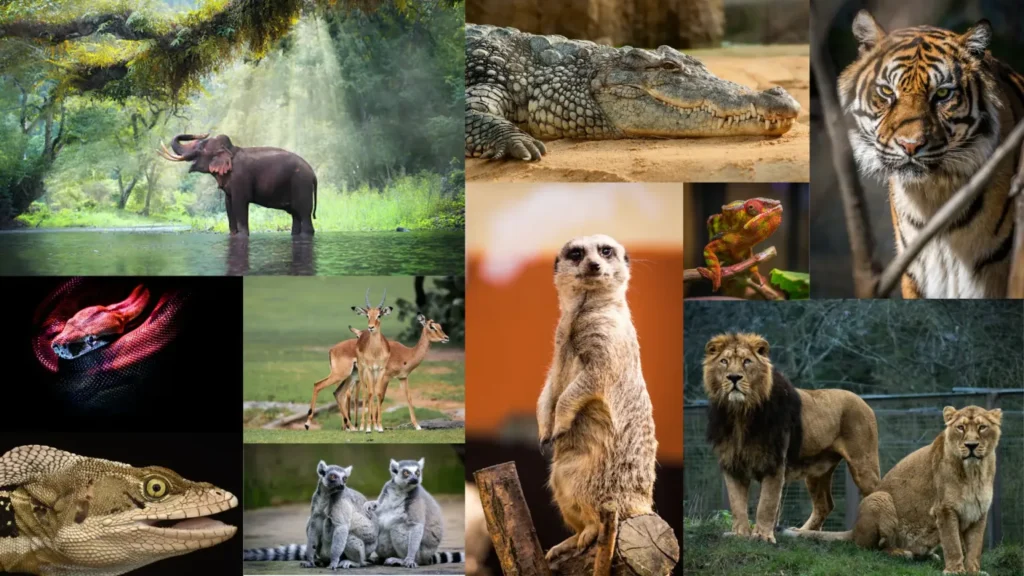
Located inside the Reliance Jamnagar refinery complex, Vantara spans over 3,000 acres. The sanctuary houses more than 4,000 animals from 43 different species, including elephants, big cats, exotic birds, and reptiles. Its medical infrastructure is notable, equipped with advanced MRI, CT scan, and hydrotherapy facilities — unmatched in India.
Since its formal inauguration by Prime Minister Narendra Modi in early 2024, the centre has aimed to represent India’s most advanced initiative in wildlife rehabilitation and care. Vantara positions itself as a global model of compassionate, scientific conservation.
Ownership, Funding, and Larger Implications
Vantara Jamnagar is operated by the Reliance Foundation, the philanthropic arm of Reliance Industries Limited. The initiative is championed by Anant Ambani, who has linked the project to his long-standing commitment to animal welfare and biodiversity.
Funding comes primarily from Reliance’s Corporate Social Responsibility (CSR) allocations. The sanctuary is not open to the public and generates no commercial income. Future plans may include limited public access and research-based revenue, with reinvestment into the facility.
Despite its nonprofit framework, debates continue about the use of vast land within an industrial hub and whether ecological and reputational benefits disproportionately accrue to Reliance. Vantara thus sits at the intersection of corporate responsibility, environmental stewardship, and industrial presence.
A Turning Point, Yet the Beginning of Dialogue
The Supreme Court verdict offers strong legal vindication of Vantara’s practices and highlights the potential of private–public collaboration in biodiversity conservation. It establishes a precedent that transparency, compliance, and scientific norms are essential to wildlife projects.
For activists and NGOs, the ruling is both a reminder and an opportunity: advocacy must rest on evidence and verified data, while constructive oversight remains vital. For Vantara, judicial backing removes litigation hurdles and provides a clear mandate to focus on animal rescue, care, and rehabilitation.
A Note to NGOs and Critics: Space for Constructive Engagement
Judicial closure does not negate the role of civil society. Vigilance and constructive criticism remain essential to ensure accountability. Animal welfare groups, conservationists, and local communities can still engage with Vantara to help it meet the highest ethical benchmarks.
The project demonstrates what can be achieved when infrastructure, corporate will, and regulatory compliance converge. Equally, it shows that collaboration—rather than confrontation—is key to addressing India’s biodiversity challenges.
Conclusion
The Supreme Court verdict on Vantara Jamnagar brings closure to prolonged litigation and sets a benchmark for transparent, legally robust corporate-led conservation.
For India, the case could serve as a model for future partnerships that combine legal compliance with visionary scale. Vantara now moves forward with renewed legitimacy, carrying both the responsibility and opportunity to reshape the country’s conservation discourse.