China asks Nepal to talk to India, saying Lipulekh dispute is bilateral
Lipulekh Showdown at SCO 2025: Nepal’s Bold Sovereignty Stand Meets China's Neutral Counsel Surprises Nepal
Nepal’s Prime Minister KP Sharma Oli strongly opposed the India-China agreement to reopen the Lipulekh trade route during the 2025 Shanghai Cooperation Organisation (SCO) summit. This dispute involves the tri-junction area of Kalapani, Limpiyadhura, and Lipulekh, which Nepal claims based on the 1816 Treaty of Sugauli. However, India contests this claim. The disagreement is historic and complex, rooted in conflicting interpretations of old treaties.
China’s Position and Advice to Nepal
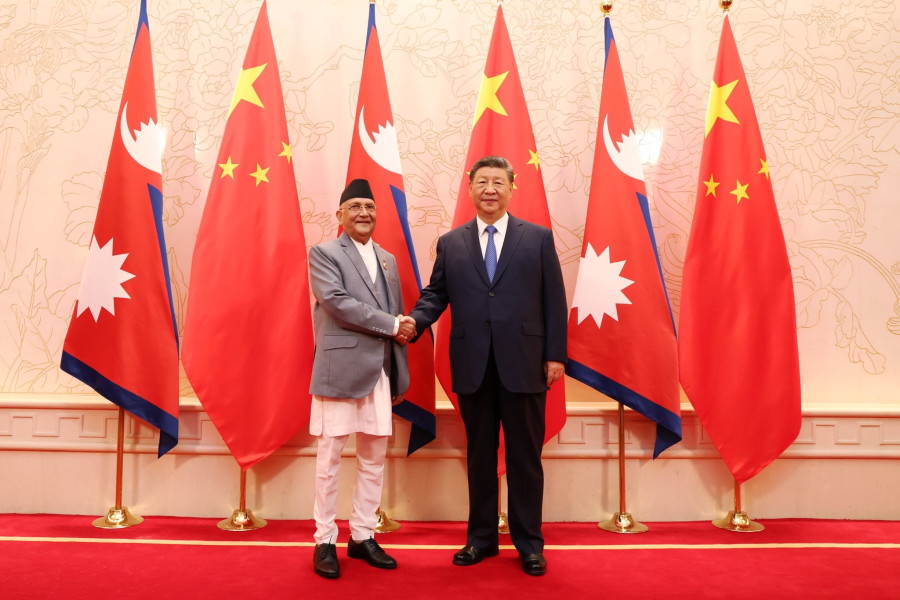
During the SCO summit at Tianjin, Oli met Chinese President Xi Jinping to discuss the dispute. Oli emphasized Nepal’s claim and sovereignty over Lipulekh. Xi responded by recognizing Nepal’s position but said the issue is bilateral between Nepal and India. Moreover, China does not want to become a party to the dispute. Xi urged Nepal to resolve the matter directly with India. This careful stance shows China’s attempt to balance ties with both neighbors.
Reactions from Nepal and India
Nepal’s ruling CPN-UML party condemned the India-China agreement and demanded its withdrawal. The party insisted Nepal’s constitutional claim over the disputed region must be respected. In Kathmandu, nationalist sentiment is strong, and the issue is highly sensitive. Meanwhile, India rejected Nepal’s claims as unfounded and historically inaccurate. The Indian Ministry of External Affairs stated that trade at Lipulekh has existed since 1954. It only stopped due to exceptional events like the COVID-19 pandemic.
Strategic and Diplomatic Implications
Conclusion
The Lipulekh dispute remains a delicate issue in India-Nepal-China relations. SCO 2025 showed Nepal’s firm diplomacy and China’s neutral counsel. Looking ahead, peaceful talks based on facts and mutual respect are vital. Both sides must avoid unilateral actions to keep the region stable. A fair and lasting resolution will help boost cooperation along this Himalayan frontier.