New World Order: China’s Diplomatic Week Signals Shift to Multipolar World
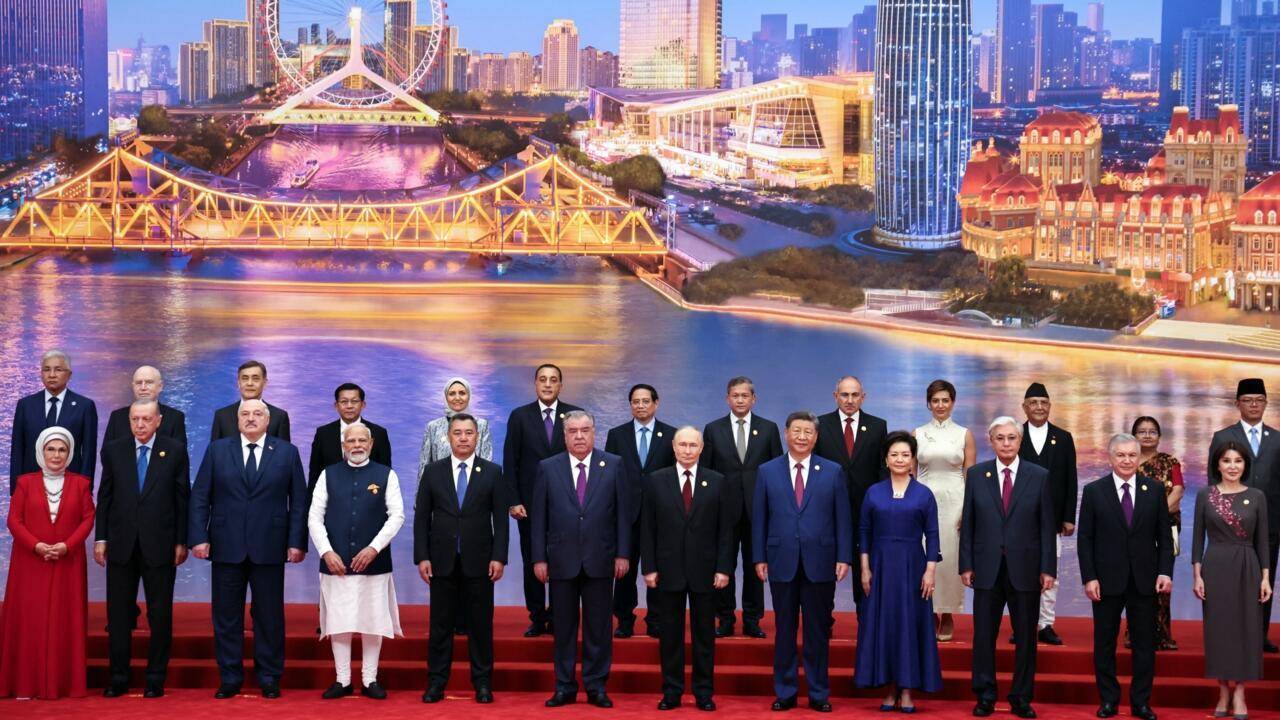
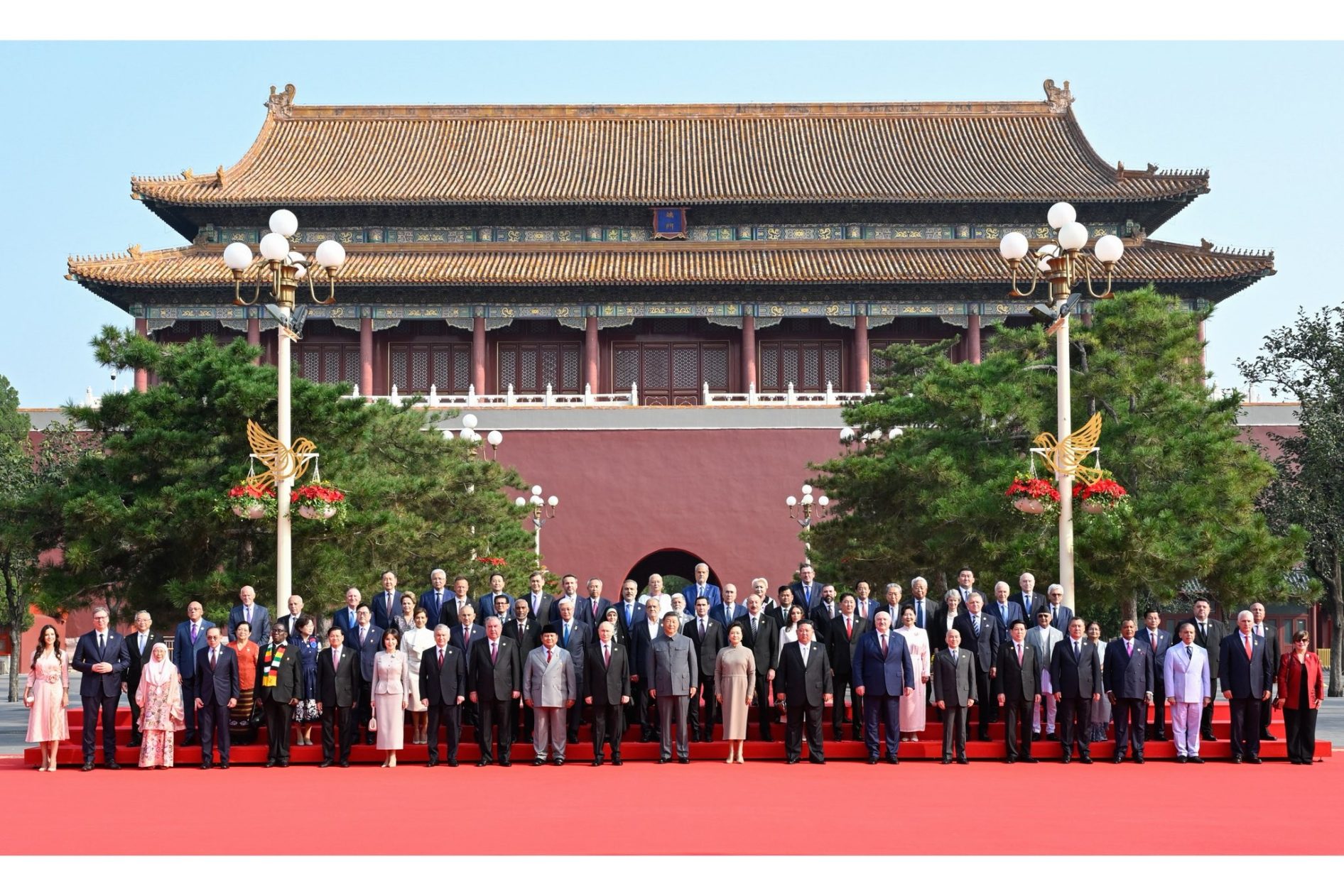
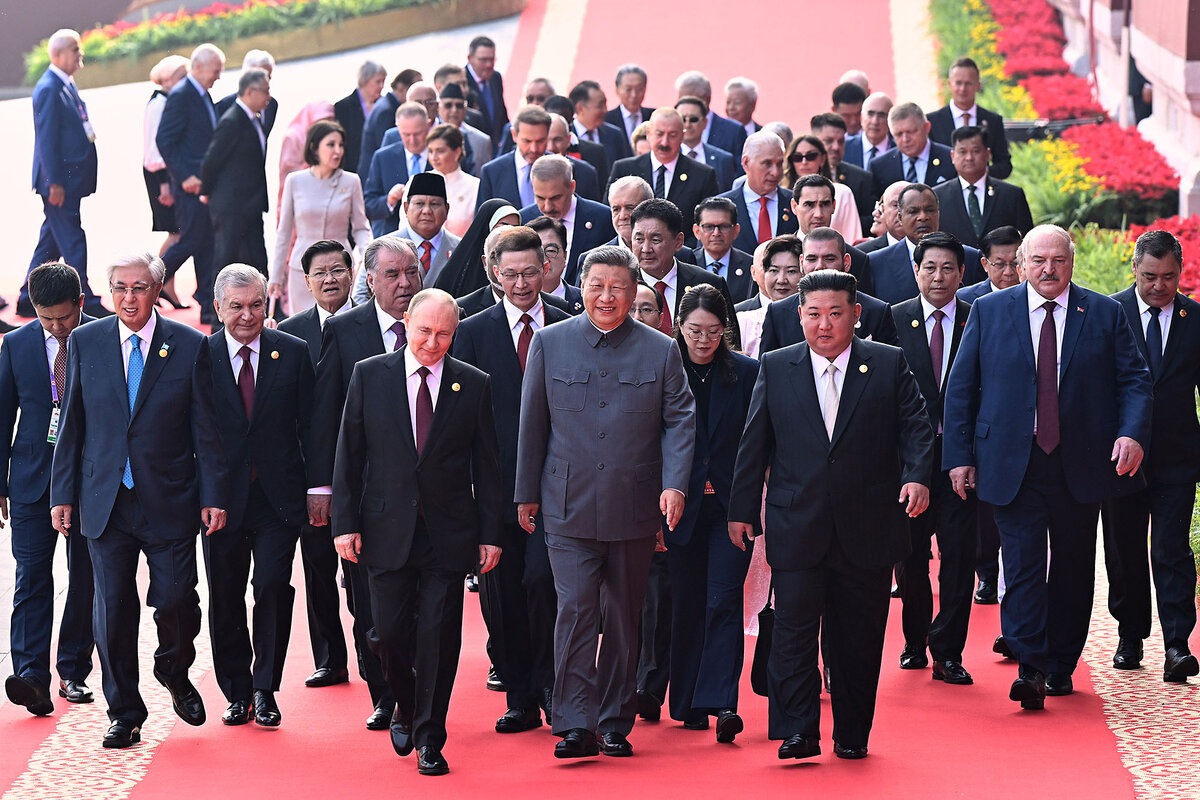
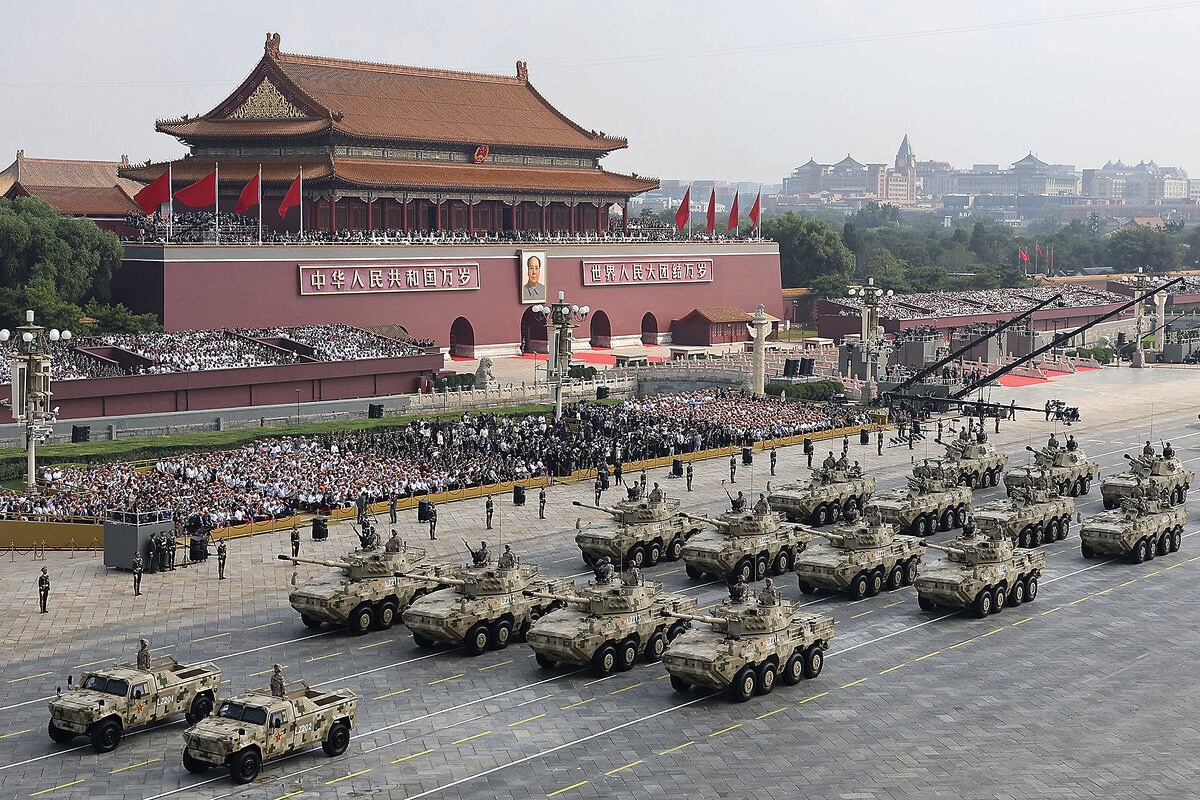
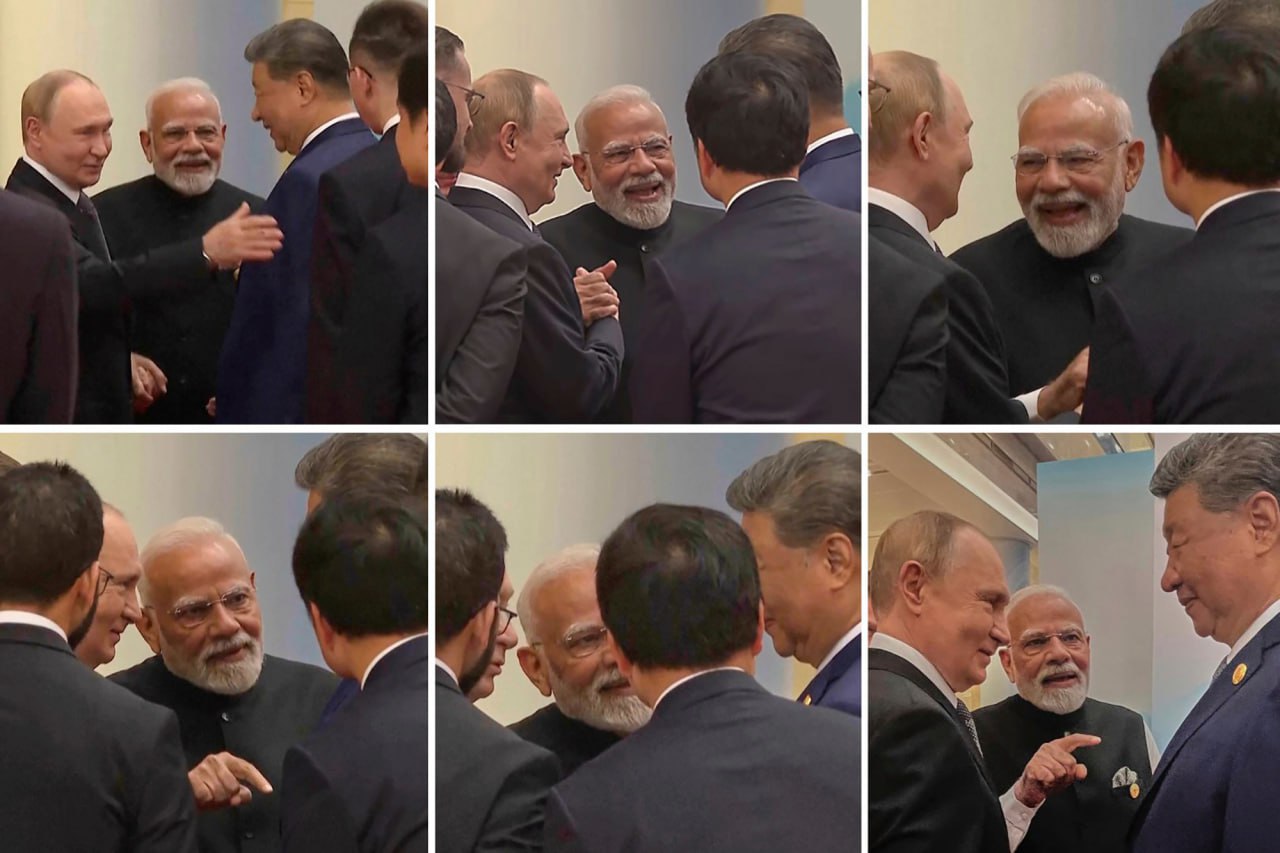
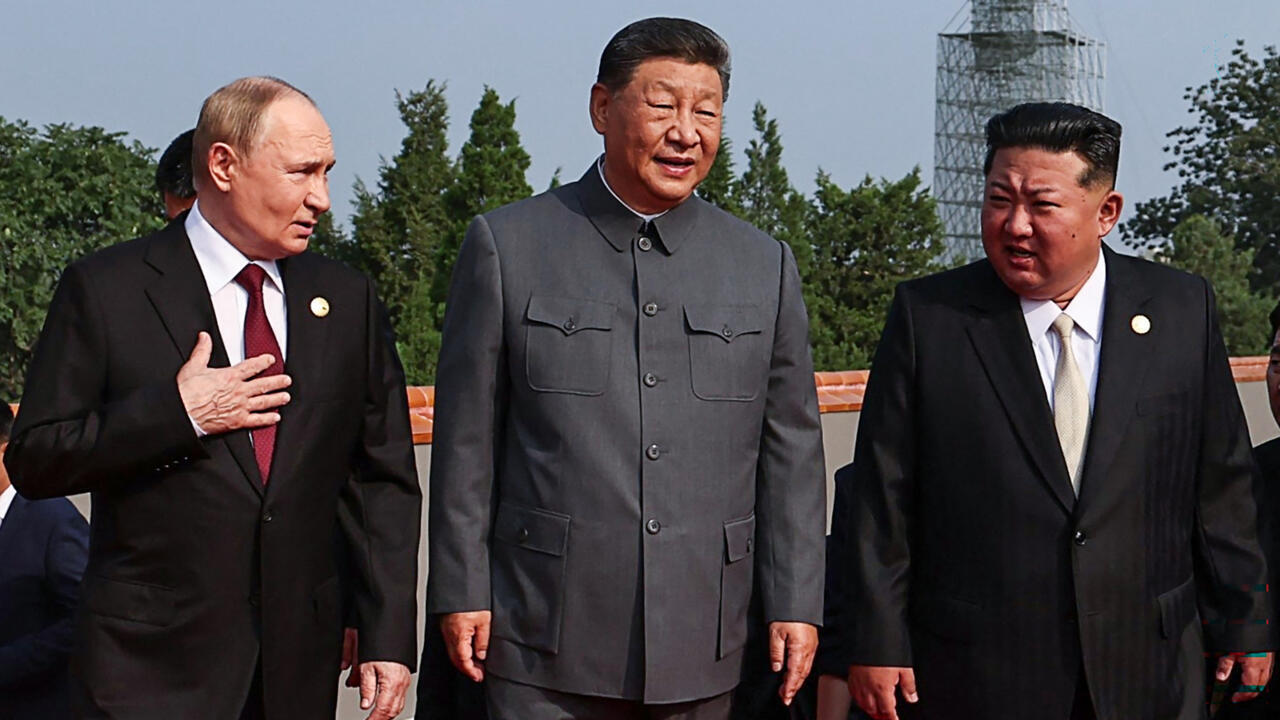
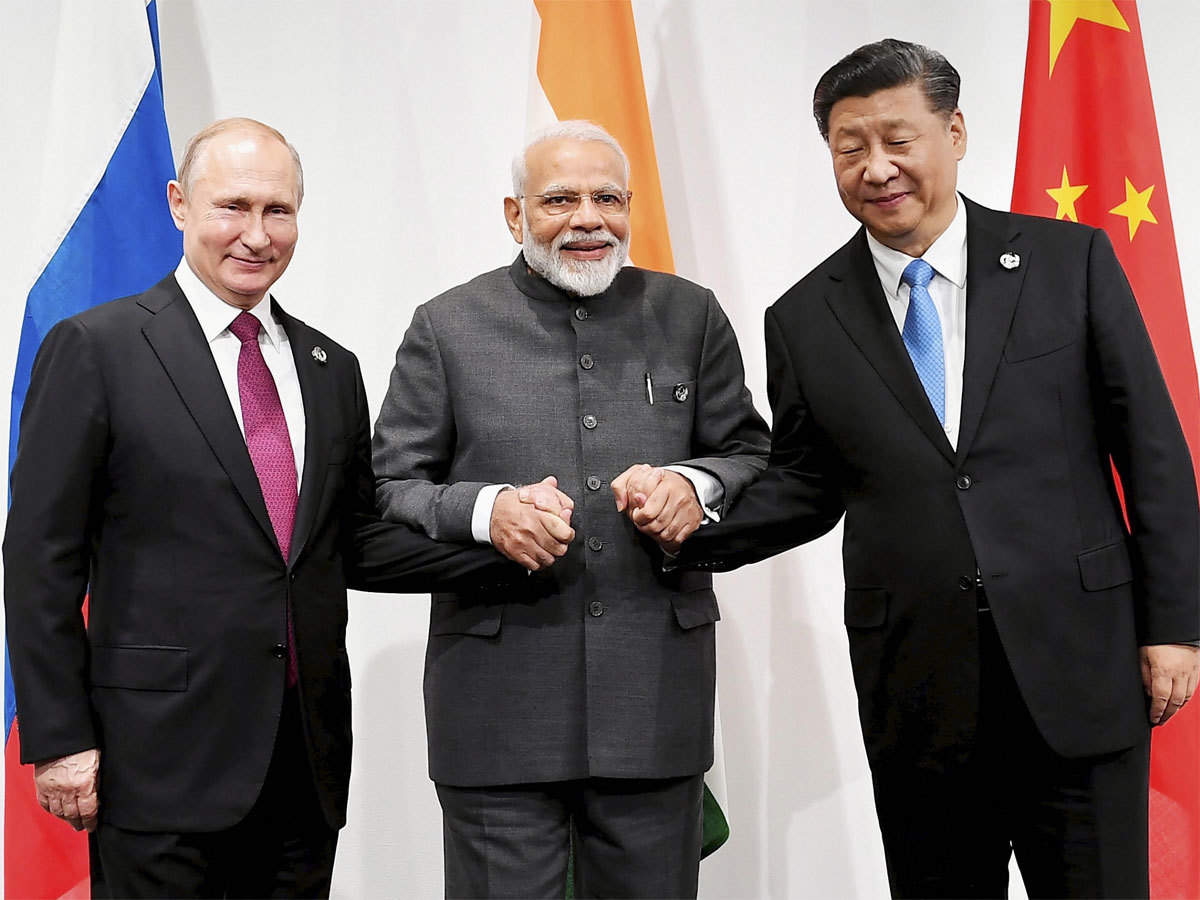
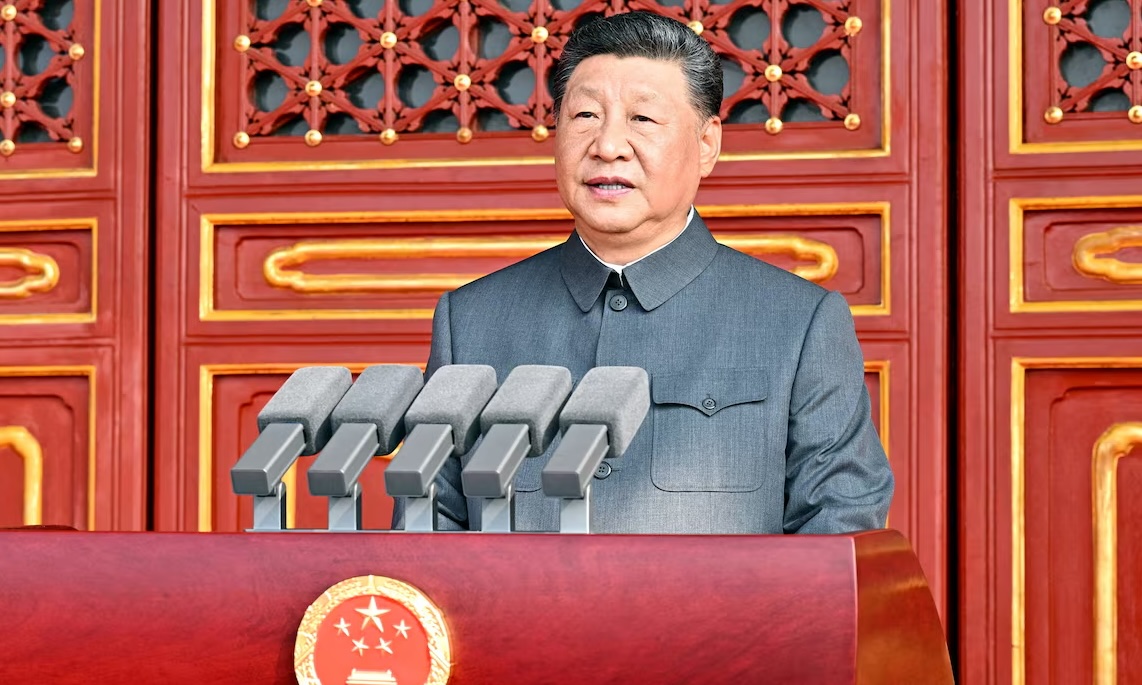
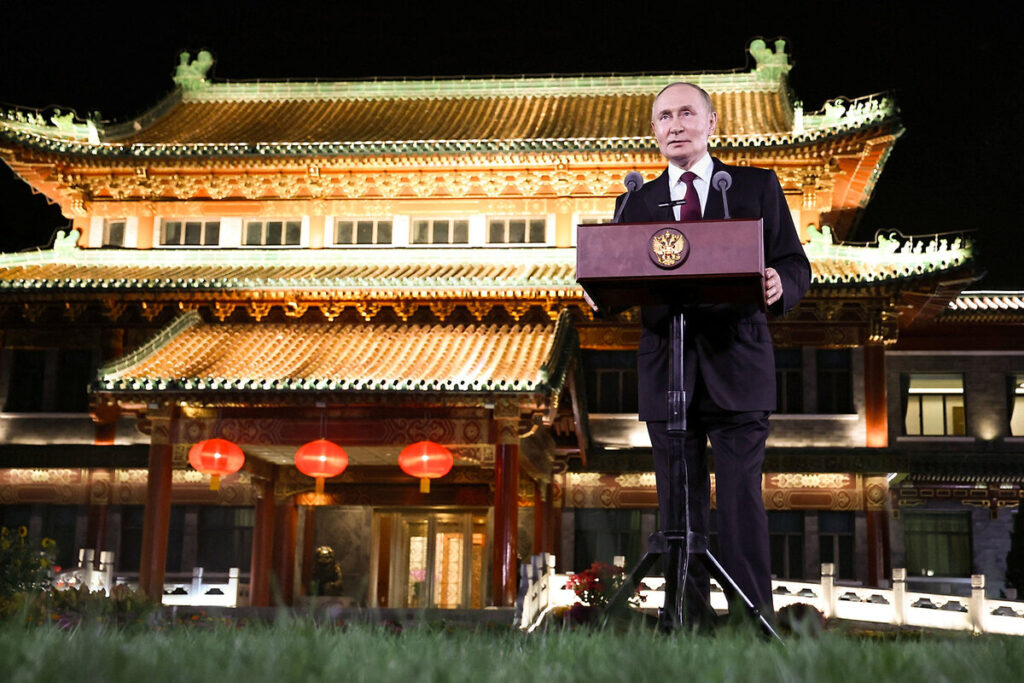
In a defining moment for global geopolitics, China recently hosted a summit and military parade that brought together some of the world’s most influential leaders, marking a significant shift in the international power balance. Held from August 31 to September 3, 2025, the event — dubbed “Diplomatic China Week”— arguably this millennium’s most significant geopolitical week that featured the Shanghai Cooperation Organization (SCO) Summit in Tianjin, which Russian President Vladimir Putin and Indian Prime Minister Narendra Modi attended together with all other member state heads along with the host Xi Jinping. Modi, however, did not stay for the subsequent Victory Day military parade in Beijing. The parade was attended by Chinese President Xi Jinping, Russian President Vladimir Putin, North Korean leader Kim Jong-un, and other dignitaries, underscoring China’s growing influence and its ambition to reshape a global order long dominated by the United States.
A Show of Strength and Unity
The summit combined diplomatic engagement with a grand military parade that showcased China’s advanced hypersonic weapons and nuclear capabilities, signaling Beijing’s intent to assert itself as a formidable global power. The military display was designed to project China’s might clearly and intimidate its rivals. Reacting to this display, former U.S. President Donald Trump publicly denounced the event as a “conspiracy” against him, tweeting that China, Russia, and North Korea had “joined forces to undermine his political influence and America’s standing,” framing the summit as a targeted backlash to his policies.
The presence of leaders from Russia, India, and North Korea at different stages of the week emphasized a united front challenging Western-led global systems. The participation of India at the SCO Summit in Tianjin marked a key example of Asian cooperation, overcoming historical tensions in pursuit of a multipolar world order.
Western and American Media Reactions
The event drew sharp criticism from major American media outlets, which portrayed China’s moves as a direct counter to former President Donald Trump’s “America First” policies. Reports from The New York Times and The Washington Post suggested that Trump’s aggressive tariff wars and unilateral stance destabilized longstanding alliances, giving Beijing the opportunity to deepen ties with countries like India. These analyses argued that Trump’s unpredictability and trade conflicts created a vacuum in global leadership, now being filled by China’s assertive diplomacy.
British media such as the BBC and Reuters echoed this sentiment, describing the summit as the emergence of a “new axis of upheaval” led by China. They noted that American tariff wars and unilateralism encouraged countries to hedge their bets by strengthening partnerships with Beijing.
European Perspectives: Rethinking Alliances
European observers expressed a mix of frustration and humiliation over the shifting global alignments. Trump’s dismantling of post-World War II multilateralism and offloading of security responsibilities onto Europe left many feeling abandoned and vulnerable as China, Russia, and India’s growing coalition challenged Western dominance. This new diplomatic reality has forced European nations to reconsider their foreign policy and security strategies in light of an evolving multipolar world.
The 25th SCO Summit: Condemning Military Aggression
A highlight of the week was the 25th SCO Summit in Tianjin, which issued a strongly worded declaration condemning recent military strikes by the United States and Israel on Iranian nuclear infrastructure. The declaration labeled these attacks as violations of international law and threats to regional and global security. It also called for a comprehensive ceasefire and unhindered humanitarian aid access in Gaza. For the first time, India joined all SCO members in this condemnation, signaling a shift from its previous cautious stance toward U.S.-Israeli military actions.
Trump’s Policies Backfire
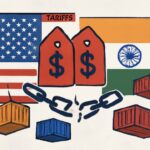
Throughout the summit, it became clear that many of Trump’s recent diplomatic gambits had backfired spectacularly. His repeated threats to impose tariffs on Indian goods, including a proposed 25% levy on pharmaceutical imports, failed to bend India’s resolve. India not only resisted opening its agricultural and dairy sectors to American products but also strengthened energy ties with Russia despite American sanctions and pressure.
Trump’s ally Peter Navarro’s aggressive verbal attacks on India, including divisive remarks aimed at exacerbating social tensions within the country, only deepened the rift between the nations. Navarro accused India of profiteering and criticized Prime Minister Modi’s partnerships with Putin and Xi Jinping, but these tactics backfired, strengthening India’s alignment with China and Russia rather than weakening it.
The Marginalized Allies: Pakistan, Armenia, and Turkey
Shahbaz Sharif was ignored by major players – President Xi, Prime Minister Modi, and President Putin. Earlier, at the foreign ministers’ meeting three months ago, Pakistan succeeded in blocking the explicit mention of Pahalgam – the site of a terrorist attack – in the final SCO declaration at ministers’ level. However, at this summit of state heads, Pakistan failed to repeat that success; Pahalgam was explicitly mentioned and condemned as a terrorist act sponsored from cross border.
This marks a significant defeat for Pakistan and by extension, for the United States, which has become Pakistan’s strategic and military ally again. The shift signals to China that the Pakistan – India issue is being openly addressed, which was evident in this summit’s final declaration.
Armenian Prime Minister Nikol Pashinyan’s objections regarding the “Zangezur Corridor” were dismissed, thwarting U.S.-influenced plans to gain strategic footholds in the region. Turkey’s President Erdoğan faced scrutiny for not addressing Turkey’s own regional military actions, revealing contradictions within the bloc’s collective security approach.
Key Bilateral and Energy Agreements
Despite the tensions, important agreements emerged. India engaged in significant bilateral talks with China and Russia at the SCO Summit, aiming to boost trade and economic cooperation. Russia and China finalized plans for the Power of Siberia 2 gas pipeline, a deal independent of Western sanctions. The SCO’s creation of an energy club further demonstrated collective efforts to counteract U.S. pressure on regional energy supplies.
The Ukraine Conflict: Discussion in the Sidelines
Though largely absent from the official statements and main discussions of the SCO Summit, the Ukraine conflict was covered in side talks. Russian President Vladimir Putin referenced the situation during his press briefing, hinting at ongoing diplomatic efforts and understandings reached at a recent U.S.-Russia summit in Alaska. This quiet approach underscored divergent priorities among the summit participants, with the issue remaining highly sensitive and complex.
Complex US-India Trade Relations
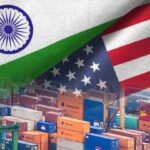
The U.S.-India trade relationship remains fraught with challenges. While close to reaching some agreements before geopolitical tensions intensified, negotiations have stalled due to the intertwining of trade, geopolitical alignments, and payment logistics involving Russia. India’s long-term partnership with Russia continues to influence these dynamics, complicating relations with the U.S.
Conclusion: An Emerging Multipolar World
“Diplomatic China Week” epitomizes the evolving global order where power is no longer centered solely on the United States. China’s strategic diplomacy, military assertiveness, and energy partnerships with Russia and India illustrate a shift toward multipolarity. As alliances realign, trade routes are redrawn, and military postures are recalibrated, the international system faces unprecedented challenges and competition. The unfolding architecture is complex, contested, and indicative of a new era of global interaction.