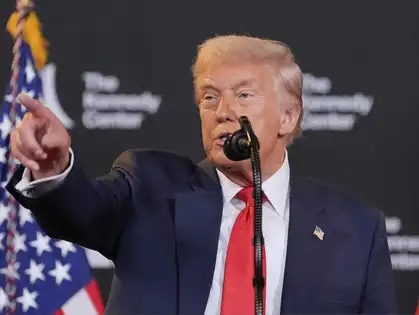
TNT News Desk | Donald Trump, en route to Alaska while aboard Air Force One traveling to the summit with Vladimir Putin made the statement “Maybe I won’t have to do it” about imposing additional 25% tariffs on India, linked to India’s continued purchases of Russian oil. This created a buzz of optimism in some quarters, given the high stakes of escalating trade tensions.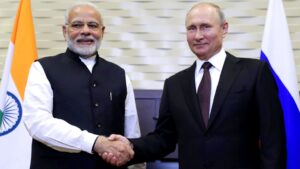
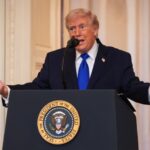
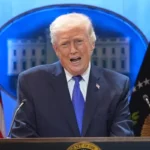
After the nearly four-hour summit in Alaska, Trump gave post-summit remarks indicating that, because of the progress made in talks with Putin, he did not have to immediately decide on imposing the additional tariffs, saying he might reconsider it in two or three weeks but not “right now.”
Earlier, Trump had also claimed “Russia had lost an oil client,” suggesting that India had stopped buying Russian crude because of U.S. penalties. He added that secondary tariffs, if applied, would be “devastating” but hinted at possible leniency following his negotiations with Putin.
Despite Trump’s assertions, Indian government sources and trade data paint a different picture. India has not officially announced any cessation of Russian oil imports. In fact, reports indicate that India has increased its oil imports from Russia in August 2025, with volumes rising to approximately 2 million barrels per day—up from 1.6 million barrels per day in July—signaling a continuation, if not an expansion, of energy dealings with Moscow. The Indian Ministry of External Affairs has remained silent on Trump’s claims, emphasizing India’s sovereign right to diversify energy sources and cautiously maintaining its diplomatic balancing act between Washington and Moscow.
Experts and diplomats highlight the complexity of the situation. While Trump’s softer tone on tariffs may reflect strategic considerations amid his push for peace with Russia, actual tariffs of up to 50% on Indian products—including an additional 25% duty effective from August 27—remain officially in place. India has strongly criticized these measures as unfair and economically damaging, particularly impacting key sectors such as textiles and leather. Meanwhile, the scheduled U.S. – India Trade Meeting planned for late August 2025 in Delhi has reportedly been called off by U.S.
The mixed messages reflect the fragile and fluid nature of U.S. – India relations amid broader geopolitical tensions. India’s commitment to continuing its energy partnership with Russia confronts U.S. demands for sanction compliance, while Trump’s rhetoric suggests room for negotiation possibly linked to larger peace efforts concerning Ukraine.
As the diplomatic saga unfolds, Indian businesses and policymakers await clearer signals from Washington on tariff enforcement. For now, the contradictory statements and data underscore the challenge of reconciling geopolitical ambitions with economic realities in this pivotal moment of international diplomacy.