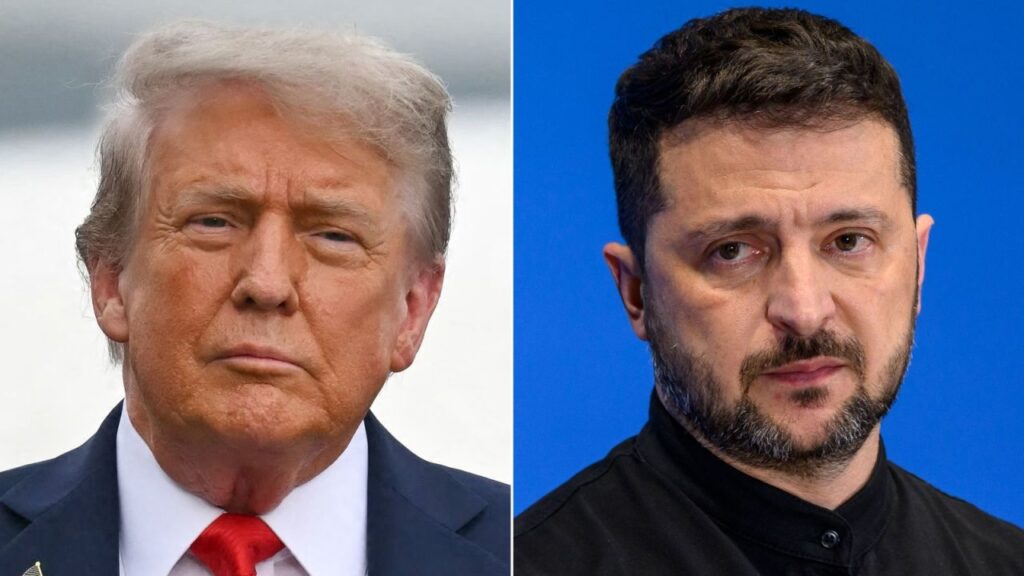
Forget retaking Crimea or joining NATO, says Trump ahead of White House meeting with Zelenskyy
U.S. President Donald Trump has publicly called on Ukrainian President Volodymyr Zelenskyy to accept a peace settlement with Russia. This settlement involves giving up Crimea and abandoning NATO membership ambitions, marking a major shift in U.S. foreign policy ahead of their critical Washington meeting.
Trump’s Social Media Statements on Ukraine-Russia Conflict
On August 17, 2025, Trump urged Zelenskyy on Truth Social to “end the war with Russia almost immediately” if he desires. Still, Trump was firm that reclaiming Crimea and joining NATO are off the table. He wrote,
“No getting back Obama given Crimea (12 years ago, without a shot being fired!), and NO GOING INTO NATO BY UKRAINE. Some things never change!!!”
This blunt message sets the tone for the upcoming diplomatic talks and reflects Trump’s long-standing inclination to broker peace on terms favorable to Russia.
Context of the Upcoming White House Meeting
The remarks preceded a rare White House meeting on August 18, 2025, involving Zelenskyy, Trump, and European leaders, including the European Commission chief Ursula von der Leyen. This summit follows Trump’s Alaska talks with Russian President Vladimir Putin, which yielded no ceasefire but included promises of “robust security guarantees” for Ukraine. Notably, Zelenskyy was excluded from those talks, raising concerns about the inclusiveness of the peace process.
The Crimea Issue and NATO Aspirations
Crimea, annexed by Russia in 2014 during the Obama administration, remains a deeply contested territory. Russia regards Ukraine’s NATO ambitions as a direct security threat, fueling its aggressive posture. Moscow’s opposition to NATO’s eastward expansion is rooted in strategic concerns over its borders, and it has framed NATO membership for Ukraine as a red line.
Experts point out that Russia’s actions have been motivated not only by territorial ambitions but also by a desire to prevent Ukraine from consolidating democratic reforms through NATO integration.
Diverging Views on Conflict Resolution
Trump emphasizes ending the war quickly through Ukrainian concessions to Russia. He suggested that a peace deal must include territorial swaps and a halt to Ukraine’s NATO membership plans. In stark contrast, Zelenskyy has repeatedly rejected any calls to relinquish Ukrainian soil or forsake NATO aspirations, insisting that talks must proceed only if Russian attacks cease.
Significance of the White House Dialogue
The White House meeting comes amid one of the heaviest phases of Russian attacks since the conflict began. On September 28, 2025, Russia launched more than 600 drones and missiles in large-scale strikes across Ukrainian cities such as Kyiv, Kharkiv, and Donetsk, causing multiple casualties and significant damage. These attacks underscore the urgency for diplomatic progress.
European leaders’ participation in the summit underlines the international effort to find a resolution before the war escalates further. The talks aimed to foster a united front against Russian aggression while exploring possible diplomatic pathways.
Contrasting Peace Proposals
Trump’s peace proposal leans heavily on Russian conditions, framing Crimea as lost territory and denying Ukraine’s NATO membership. Meanwhile, Zelenskyy and his European allies advocate for continued military and diplomatic support to defend Ukraine’s sovereignty and territorial integrity. The divide reflects broader geopolitical tensions between Western support for Ukraine’s independence and Russia’s strategic interests.
Broader Geopolitical Implications
The meeting’s outcome has the potential to reshape the regional balance of power in Eastern Europe. A negotiated settlement that involves territorial concessions might stabilize the situation temporarily but risks undermining Ukraine’s sovereignty and encouraging further encroachments. Conversely, continued resistance could prolong the conflict and deepen international tensions.
Background on U.S. Policy Shifts
Trump’s approach contrasts with previous U.S. administrations that strongly backed Ukraine’s territorial claims and NATO ambitions. His willingness to pressure Ukraine to make compromises reflects a realpolitik perspective prioritizing American disengagement from foreign conflicts. This approach has sparked debate both domestically and among allies, with some fearing it emboldens Russian aggression.
Conclusion: The Stakes Ahead
As Zelenskyy prepares for the White House discussions, the world watches closely. The conflict has claimed thousands of lives and caused widespread destruction in Ukraine. With the risk of further escalation high, the talks present a narrow window for achieving peace.
The choices made during this diplomatic encounter will not only affect the immediate future of Ukraine and Russia but will also influence global security and geopolitical alignments for years to come.