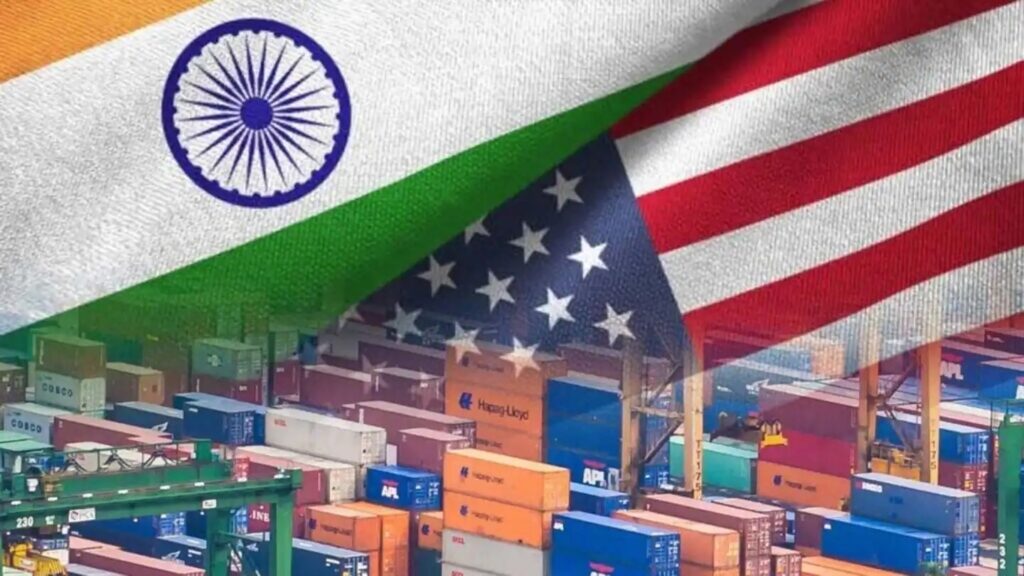
US Targets India Over Unfair Trade Practices, 1989: First Time America Used Super 301
The US targeting of India over unfair trade practices in 1989 marked one of the earliest major trade confrontations between the two nations. In 1989, the George H.W. Bush administration launched a significant challenge against India using the newly introduced Super 301 law.
The Super 301 Law and Its Purpose
The Omnibus Trade and Competitiveness Act of 1988 introduced the Super 301 provision. It required the US Trade Representative to identify countries engaging in unfair trade barriers against American exports and initiate action.
In the 1989 case, India was placed on the priority watch list alongside Japan and Brazil. This branding positioned India as a top target for potential US trade retaliation due to its restrictive practices at the time.
Core Issues in the US-India Dispute
The main demands from the US in the 1989 episode included:
- Stronger intellectual property protections, particularly for pharmaceuticals and technology.
- Opening India’s closed insurance sector to American companies.
- Raising the foreign equity limit in Indian joint ventures above 40%.
- Greater market access for US service providers and investments.
These demands directly challenged India’s protectionist policies designed to safeguard domestic industries and economic sovereignty.
India’s Firm and Principled Response
India responded with strength and clarity. The government and Parliament accused the US of violating GATT norms and described the Super 301 measures as unfair and punitive.
Commerce Minister Dinesh Singh firmly refused to negotiate under pressure or alter policies on insurance and foreign investment as demanded by Washington.
While Japan and Brazil eventually agreed to talks and were removed from the list, India stood alone as the sole Super 301 target by early 1990. This firm stance earned widespread domestic support as a stand against economic bullying.
The Diplomatic Standoff and Its Resolution
In April 1990, the US issued a two-month ultimatum to India, threatening sanctions if India did not comply. However, Washington ultimately calculated that imposing tariffs on India would cause greater diplomatic harm than economic gain.
No punitive tariffs were ever applied, and the dispute gradually faded without escalation.
Impact and Legacy on India’s Economic Growth
Although no sanctions were imposed, the 1989 episode left a mark on bilateral perceptions. It highlighted the limits of unilateral trade tools like Super 301.
More importantly, the confrontation played a role in shaping India’s thinking on economic reforms. The landmark liberalization initiated in 1991 under Prime Minister P.V. Narasimha Rao addressed several issues raised during the Super 301 period.
This early resistance also set a precedent for India’s approach in later trade disputes with the US.
A Defining Moment in Trade History
The 1989 case remains a notable example of Indian defiance against external economic pressure. It underscored the complexities of using aggressive unilateral measures in international trade relations.
The legacy of this episode continues to influence how India navigates global trade diplomacy and protects its economic interests even today.