Brinkmanship in the Gulf: How the United States and Iran Are Navigating the Edge of Conflict
As of February 19, 2026, the Middle East is witnessing one of the most significant concentrations of U.S. military force in the region in over two decades, driven by escalating tensions between Washington and Tehran. The strategic buildup — involving advanced aircraft, carrier strike groups, and support assets — reflects a calibrated but high-stakes attempt by the United States to leverage military pressure alongside ongoing diplomatic negotiations over Iran’s nuclear program and broader regional behaviour.
The Scale and Nature of the U.S. Military Buildup
The Pentagon has repositioned a substantial array of air and naval assets to the Middle East, described by defense analysts as the largest concentration of U.S. airpower there since the 2003 invasion of Iraq.
Key elements of the deployment include:
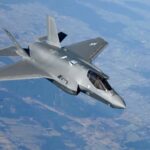
Fighter jets: Over 50 advanced fighter aircraft, including F-22 Raptors, F-35 Lightning IIs, and F-16s, repositioned into the theatre in the past 24–48 hours, as confirmed by flight-tracking data and defence sources.
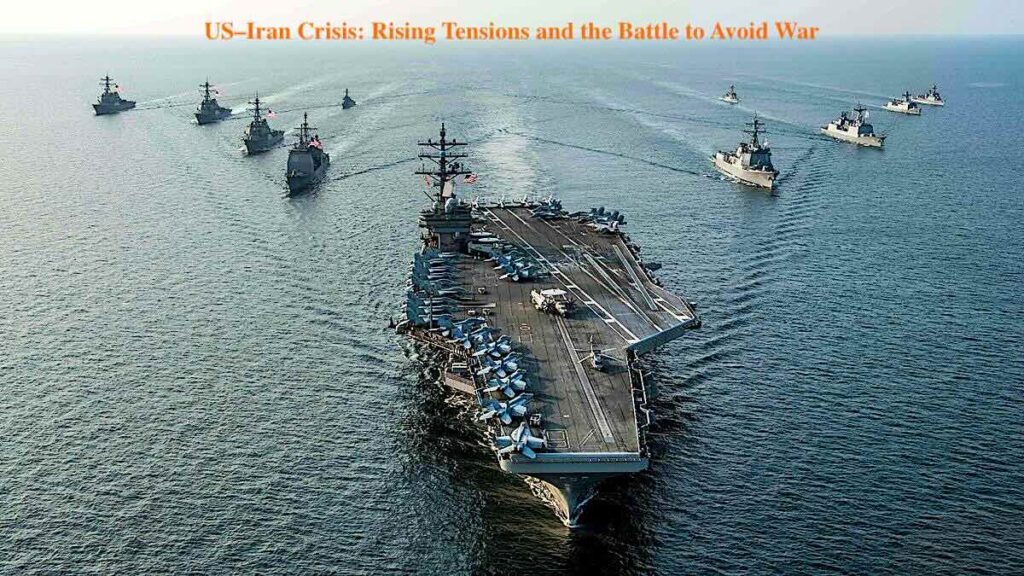
Carrier strike groups: At least two aircraft carriers — the USS Abraham Lincoln and the USS Gerald R. Ford— are in or en route to the region, accompanied by destroyers and multi-purpose naval assets capable of supporting air operations and ballistic missile defense.
Support and command infrastructure: E-3 Airborne Warning and Control System (AWACS) aircraft, aerial refuelling tankers, and electronic-warfare platforms are integrated into the deployment, enabling sustained operations and complex engagements.
While this force posture still falls short of the scale seen in the 1991 Gulf War or the 2003 invasion of Iraq, advancements in stealth technology, precision strike capacity, and networked command systems significantly enhance the U.S. military’s operational options.
Diplomacy Continues, But Decision on Strikes Remains Open
Parallel to the military buildup, U.S. and Iranian negotiators have engaged in indirect talks in Geneva aimed at resolving disputes over Tehran’s nuclear enrichment activities and addressing broader concerns about ballistic missiles and regional influence.
Despite “a little progress” being reported, both sides remain far apart on core issues, prompting White House officials to maintain pressure. Sources familiar with CNN reporting indicate that the U.S. military is ready to launch strikes as early as this weekend, though President Donald Trump had not made a final authorization as of February 18.
Senior administration representatives say Trump is weighing multiple strategic options — from limited precision strikes against nuclear and missile infrastructure to a broader campaign aimed at debilitating Iran’s military capabilities. The internal debate underscores the complexity of translating military readiness into political action.
Iran’s Response: Posture, Rhetoric, and Regional Maneuvers
Tehran’s response has been a mix of military signaling, diplomatic engagement, and ideological defiance:
Iran has conducted naval drills and missile tests in the Strait of Hormuz, a critical global oil transit chokepoint, reinforcing its deterrence posture and signaling readiness to counter threats to its sovereignty.
Iran’s leadership asserts a reluctance for war but resists concessions that would undermine national autonomy, arguing that external pressure cannot compel “bowing at any cost.”
Iranian negotiators remain engaged at the diplomatic level, suggesting that Tehran aims to leverage talks to delay or prevent strikes while maintaining its strategic capabilities.
These dimensions highlight Tehran’s dual strategy: avoid full-scale conflict while strengthening defensive and deterrent capacities.
International Reactions and Regional Risks
The prospect of U.S. strikes has drawn cautionary responses from global actors. Russian officials, for example, have urged restraint and stressed the need for diplomatic resolution, warning that unilateral military action could exacerbate regional instability.
Market reactions reflect these geopolitical anxieties: oil prices spiked more than 4 % in response to fears of supply disruptions linked to possible conflict in the Gulf.
Regional governments are grappling with the dual pressures of aligning with allies and preventing an escalation that could spill over into broader conflict. These strategic calculations are intensified by the fact that any military operation against Iran — even one primarily airborne — would almost certainly trigger asymmetric retaliation, possibly targeting U.S. bases, commercial shipping, or allied military forces.
Strategic Implications and What Comes Next
From an analytical standpoint, several dynamics frame the unfolding crisis:
Deterrence vs. Diplomacy: The U.S. military presence is designed to deter Tehran from pursuing actions deemed unacceptable by Washington. However, the delay in authorizing strikes signals a continued reliance on diplomacy as a primary strategy, albeit backed by overwhelming force.
Operational Calculus: Any U.S. military campaign against Iran would require careful planning to minimize civilian casualties, prevent regional escalation, and mitigate economic shocks. Modern airpower can deliver precision strikes, but intelligence limitations and Iran’s integrated air defenses complicate operational certainty.
Regional Stability: The crisis underscores how interconnected global energy markets, alliance networks, and defense commitments are in the Middle East. What began as a nuclear dispute now involves strategic deterrence postures, diplomatic brinkmanship, and economic repercussions.
The Way Forward: Diplomacy and Deterrence
As of mid-February 2026, the United States stands at a geopolitical crossroads: prepared for military action against Iran, yet still pursuing diplomatic interaction to avert full-scale confrontation. The deployment of an unprecedented armada of aircraft, ships, and advanced systems serves both as deterrence and a stark reminder that military options remain on the table. Tehran’s calibrated responses — from naval drills to diplomatic engagement — reflect the regime’s effort to balance national defense with global resistance to external pressure.
The coming days and weeks will be pivotal. Whether diplomacy yields a mutual de-escalation or military action is authorized will have far-reaching implications for regional security, global markets, and the future of U.S.–Iran relations.