Iran US Nuclear Talks Enter Decisive Phase Amid Rising Tensions
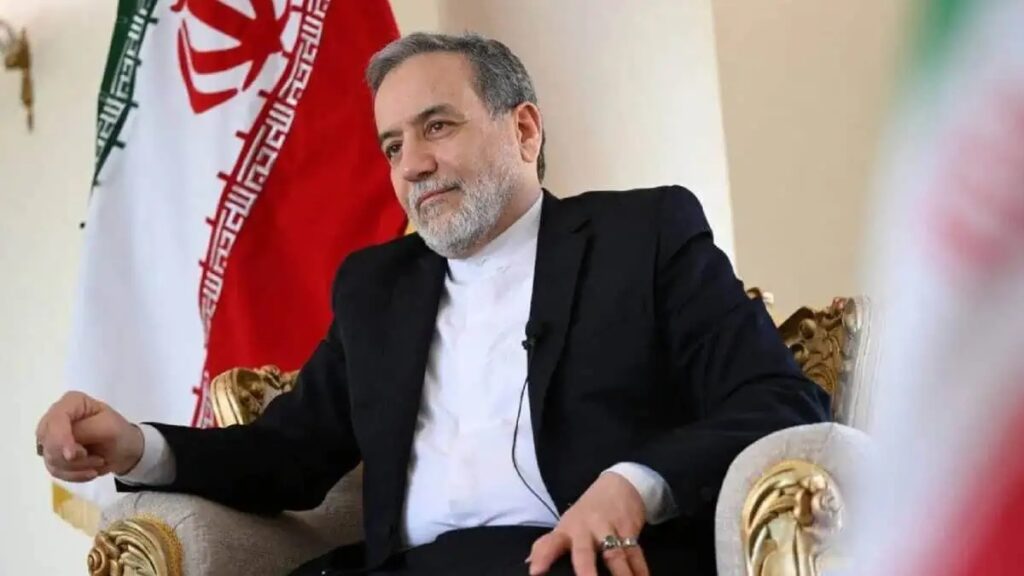
Geneva, February 16, 2026 — Iran US Nuclear Talks entered a decisive phase on Monday as Iran’s chief negotiator, Abbas Araghchi, arrived in Geneva for the second round of indirect negotiations with the United States. The renewed diplomatic engagement comes amid heightened regional tensions and persistent economic pressure on Tehran.
Following an initial round of talks in Oman, the Geneva meeting is expected to test whether both sides can translate cautious optimism into concrete commitments.
Expanded Diplomatic Engagement and Technical Consultations
Araghchi arrived in Switzerland with a delegation of nuclear specialists and legal advisers. Shortly after his arrival, he held closed-door consultations with Rafael Grossi, head of the International Atomic Energy Agency.
Officials said the discussions focused on inspection mechanisms, monitoring procedures, and safety protocols at Iran’s nuclear facilities. In addition, Araghchi met Badr bin Hamad al-Busaidi, whose government continues to play a mediating role.
Iran’s foreign ministry stated that the delegation had presented “practical and realistic proposals” aimed at restoring mutual confidence.
Legacy of Sanctions and the JCPOA Breakdown
The current negotiations follow years of diplomatic deadlock since the collapse of the 2015 nuclear agreement. After Washington withdrew in 2018, Tehran gradually expanded its uranium enrichment activities in response to renewed sanctions.
Iran maintains that its nuclear programme remains peaceful. However, Western governments argue that enrichment levels approaching weapons-grade capability undermine regional stability.
Supreme Leader Ayatollah Ali Khamenei has repeatedly insisted that Iran will not accept “coercive diplomacy” or limits imposed under military pressure.
US Strategy: Diplomacy Under Strategic Pressure
On the American side, negotiators are operating under strong political and military signals. The administration of Donald Trump has emphasised that diplomacy remains preferable. However, it has also reinforced its presence in the Gulf region.
US envoys Steve Witkoff and Jared Kushner are leading the Geneva talks. They were joined in earlier rounds by military officials, including Brad Cooper, highlighting Washington’s dual-track approach.
US officials argue that sustained pressure is necessary to prevent Iran from expanding its nuclear capacity unchecked.
Regional Risks and Maritime Tensions
The diplomatic effort is unfolding against a backdrop of rising military activity in the Strait of Hormuz, a vital shipping route for global energy supplies. Iranian naval exercises and the deployment of additional US assets have raised concerns about accidental escalation.
Tehran has warned that any attack on its facilities would provoke a regional response. At the same time, Israel continues to press for the complete dismantling of Iran’s nuclear infrastructure.
These competing security interests complicate efforts to build long-term confidence.
Domestic Pressures and Economic Stakes
Inside Iran, economic strain remains severe. Sanctions have weakened the national currency, reduced oil exports, and restricted access to global financial systems. Public discontent has periodically surfaced in protests, increasing pressure on policymakers.
For many Iranians, successful Iran US Nuclear Talks represent a pathway to economic recovery. For the political leadership, they also represent a test of governance credibility.
Analyst Vali Nasr of Johns Hopkins University recently noted that Tehran appears willing to show tactical flexibility, provided core sovereignty issues remain protected.
Possible Outcomes and Diplomatic Scenarios
Negotiators are reportedly exploring a phased framework. This may include caps on enrichment levels, enhanced inspections, and gradual sanctions relief. In return, Iran would receive limited access to international markets and financial systems.
However, disagreements persist over verification standards, missile programmes, and regional alliances. Therefore, even incremental progress remains uncertain.
Diplomats close to the talks caution that failure could reinforce hardline positions on both sides.
Global Implications and Next Steps
With parallel diplomatic efforts unfolding elsewhere in Europe, the Geneva talks have drawn wide international attention. European governments and multilateral institutions see the negotiations as a test of whether cooperative security mechanisms can still function.
For now, Iran US Nuclear Talks remain fragile but active. Both delegations are expected to continue discussions over the next two days before reporting back to their respective governments.
Whether this round produces lasting momentum or renewed confrontation will shape Middle Eastern stability and global non-proliferation efforts in the months ahead.