Trump’s UN Funding Freeze and the Crisis of Global Multilateralism
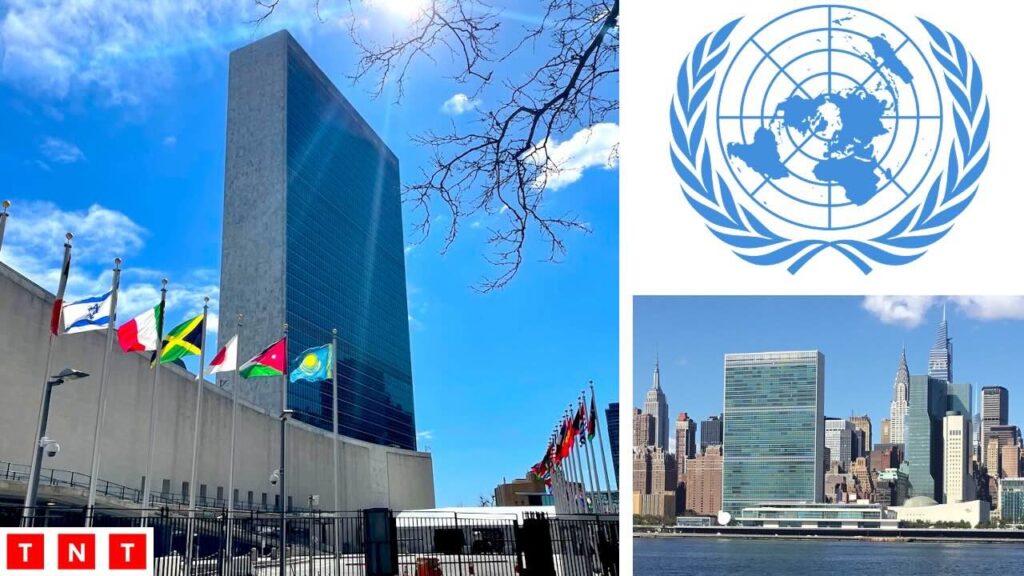
As the United Nations enters 2026 under acute financial strain, the organisation is confronting one of the most serious institutional crises in its 80-year history. Triggered largely by the United States’ decision to suspend billions of dollars in contributions, the cash crunch has reignited fundamental questions about the future of multilateral governance.
What began as a budgetary dispute has now escalated into a political and symbolic rupture — one that threatens to weaken the UN’s operational capacity, undermine global cooperation, and fuel speculation about its long-term survival.
At the heart of the crisis lies a familiar fault line: American unilateralism versus collective global responsibility.
UN Financial Collapse: How Funding Cuts Exposed Structural Weakness
On January 30, 2026, UN Secretary-General António Guterres warned member states of an “imminent financial collapse,” revealing that outstanding dues had reached a record $1.57 billion by the end of 2025. Without urgent payments or reforms, the organisation could exhaust its cash reserves by mid-2026.
The primary contributor to this deficit is the United States.
According to UN estimates, Washington currently owes:
- $2.2 billion in regular budget arrears
- $1.88 billion for active peacekeeping
- $528 million for past missions
In total, US liabilities exceed $4.5 billion.
As the world’s largest contributor, accounting for 22% of the UN’s core budget, American non-payment has a disproportionate impact. When the US withholds funds, the entire system slows down — from humanitarian relief and refugee assistance to conflict monitoring and development programmes.
The financial shock was intensified in January 2026, when President Trump ordered US agencies to withdraw from 66 international bodies, including 31 UN-linked institutions. Major casualties included UN Women, UNFPA, and climate-related agencies.
Officially, the White House framed this as fiscal discipline and sovereignty protection. In reality, it represents a strategic retreat from multilateral engagement.
The UN’s crisis is therefore not accidental. It is the predictable outcome of long-standing dependence on a single dominant funder — without adequate safeguards against political disruption.
Relocation Rumours and Digital Amplification: How Speculation Becomes Narrative
Against this fragile backdrop, social media speculation about relocating the UN headquarters gained sudden traction.
In late January, claims surfaced online suggesting that “active discussions” were underway to move UN operations from New York to Doha. These were linked to Qatar’s recent real estate purchases near the UN complex and its growing diplomatic profile.
No official confirmation followed. Fact-checking organisations found no institutional evidence supporting relocation plans.
Yet the rumor spread rapidly.
This episode illustrates how geopolitical narratives are now manufactured in real time. A single speculative post, amplified by ideological communities, becomes “news” before institutions can respond.
Digital platforms reward sensationalism over verification. Relocation stories tapped into three powerful anxieties:
- Declining US influence
- Rising Gulf diplomacy
- Institutional vulnerability
As a result, unverified claims gained political weight.
Some leaders, including Colombia’s president, publicly entertained the idea, citing frustrations with US dominance. Others floated alternatives such as Dubai or Montreal.
While relocation remains unlikely, the fact that such speculation gained credibility reflects declining confidence in the UN’s stability.
When institutions appear financially and politically weak, even improbable scenarios begin to sound plausible.
America First vs Global Order: Strategic Consequences of Withdrawal
Supporters of Trump’s policy argue that funding cuts restore accountability and protect American taxpayers. They see the UN as inefficient, politicised, and hostile to US interests.
This argument resonates domestically.
However, strategically, it carries long-term costs.
By disengaging, the US forfeits agenda-setting power. It reduces influence over humanitarian standards, security mandates, climate frameworks, and human rights mechanisms. Withdrawal does not weaken multilateralism — it reshapes it without American input.
Already, China, Gulf states, and regional blocs are expanding financial and institutional influence within UN agencies. Funding gaps are being filled selectively, often tied to political expectations.
This creates fragmented governance rather than neutral cooperation.
For developing countries, the implications are severe. Reduced UN capacity means weaker disaster response, slower peacekeeping deployments, and diminished development financing.
For energy-dependent economies like India, global instability translates into higher costs, disrupted trade, and greater strategic uncertainty.
The UN’s financial distress is therefore not a bureaucratic problem. It is a systemic risk.
A Manufactured Crisis with Real Consequences
The UN’s current predicament reflects both political confrontation and institutional vulnerability.
Trump’s funding freeze is not merely a budgetary tactic. It is a statement about America’s changing relationship with global governance. The organisation, built around post-war US leadership, is struggling to adapt to a world where that leadership is conditional.
Relocation rumors, digital misinformation, and political polarisation are symptoms of deeper erosion.
Multilateral institutions survive on credibility, predictability, and collective commitment. All three are under strain.
If major powers continue to weaponise funding, the UN risks becoming an arena of rivalry rather than cooperation.
The crisis of 2026 is therefore not just about money. It is about whether global governance can function in an era of transactional nationalism.
So far, the answer remains uncertain.