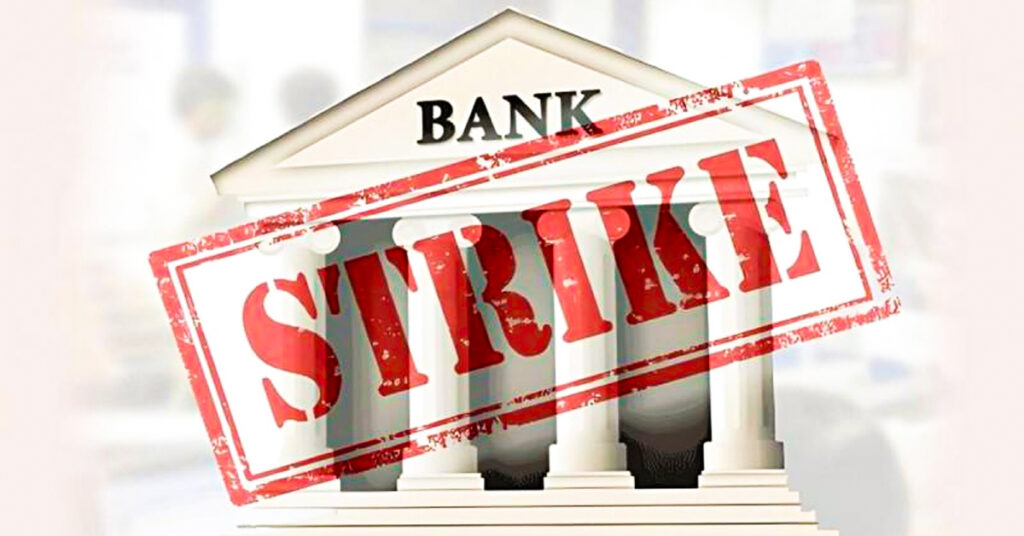
How the Nationwide Strike Is Impacting Banking Services
Banking services across India faced widespread disruption as major bank employee unions launched a nationwide strike demanding the implementation of a five-day work week. Customers encountered closed branches, delayed transactions, and limited customer support as public and private sector banks struggled to maintain regular operations. The strike has once again brought long-standing workplace reform demands in the banking sector into the national spotlight, raising questions about employee welfare, productivity, and the future structure of banking services in India.
While digital platforms cushioned the immediate impact for some users, the absence of on-ground banking staff highlighted the sector’s continued dependence on physical infrastructure, especially in semi-urban and rural regions. The protest is not just about workdays—it reflects deeper concerns about workload, staffing shortages, and evolving expectations in a rapidly transforming financial ecosystem.
Read Also: Computer Component Price Surges as AI Demand Reshapes Markets
Why Bank Unions Are Demanding a Five-Day Work Week
The demand for a five-day work week in banks is not new. For years, banking unions have argued that the current six-day work structure is outdated and misaligned with modern employment standards. Most central government offices, corporate firms, and even regulatory bodies already operate on a five-day schedule, making banking employees feel left behind.
Union leaders assert that bankers face intense workloads due to increasing digitisation, compliance requirements, and customer expectations. Reduced manpower and frequent policy changes have added pressure on staff, leading to longer working hours even beyond official schedules. A five-day work week, unions argue, would improve work-life balance, reduce burnout, and enhance productivity without compromising service quality.
They also point out that global banking systems in developed economies have long adopted five-day work schedules, using technology to maintain efficiency and accessibility.
Impact of the Nationwide Strike on Banking Services
The strike significantly affected routine banking operations across multiple states. Many bank branches remained shut or operated with skeletal staff, leading to delays in cash withdrawals, cheque clearances, loan processing, and customer grievance handling. Services that require physical verification, document submission, or branch-level approvals were especially impacted.
Senior citizens, pensioners, small business owners, and rural customers bore the brunt of the disruption, as they rely heavily on branch-based services. ATMs functioned in most areas, but cash replenishment delays were reported in some regions. Digital banking platforms remained operational, though customer support lines experienced heavy traffic.
Private sector banks were less affected compared to public sector banks, as union participation was higher among state-owned institutions.
Also Read: Precious Metals Ease as Stronger Dollar Weighs on Gold and Silver Prices
Banks and Government Response
The government has acknowledged the demands but has not yet committed to implementing a five-day work week. Officials have emphasized the need to balance employee welfare with customer convenience and financial stability. The Finance Ministry has reportedly held discussions with bank management and union representatives, but no definitive timeline has been announced.
Bank management bodies have expressed concerns about operational challenges, particularly in rural and semi-urban areas where digital penetration remains limited. They argue that reducing working days without strengthening infrastructure and staffing could inconvenience customers and slow economic activity.
However, some senior banking officials have indicated that a phased or pilot implementation could be explored, provided adequate safeguards are in place.
Role of Digital Banking During the Strike
The strike highlighted the growing importance of digital banking in India. Online fund transfers, mobile banking apps, UPI transactions, and internet banking services continued to function smoothly, preventing a complete shutdown of financial activity.
However, the situation also exposed gaps in digital literacy and access. Many customers, particularly elderly individuals and those in rural areas, struggled to adapt. This reinforced the argument that while technology can reduce dependency on physical branches, it cannot entirely replace human support—at least not yet.
Unions have maintained that adopting a five-day work week would encourage banks to invest further in digital infrastructure and smarter workforce management.
Economic and Customer Implications
Short-term disruptions caused inconvenience, but the broader debate revolves around long-term efficiency. Proponents of the five-day work week argue that well-rested employees perform better, make fewer errors, and provide improved customer service. They believe this could enhance trust in the banking system over time.
Critics, however, worry about reduced accessibility, especially for time-sensitive transactions. Businesses that rely on daily banking services, such as traders and small enterprises, fear that fewer working days could affect cash flows unless alternative arrangements are strengthened.
The strike also underscores the need for structural reforms, including better staffing levels, streamlined compliance processes, and enhanced use of automation.
Also Read: Why Your Income Tax Refund Is Still Pending — Clear Steps to Resolve the Delay
What Lies Ahead for the Banking Sector
The nationwide strike has intensified discussions around labour reforms in the financial sector. As customer expectations evolve and digital banking expands, traditional working models are being questioned. Whether the five-day work week becomes a reality will depend on negotiations between unions, bank management, and policymakers.
Experts suggest that compromise solutions—such as staggered work schedules, rotational staffing, or enhanced weekend digital support—could help balance employee welfare with service continuity.
For now, customers are advised to plan banking activities in advance and make greater use of digital channels when possible.
Conclusion
The nationwide banking strike over the five-day work week demand is more than a protest—it is a reflection of a sector in transition. As banks modernize and workloads intensify, employee well-being has become a central issue. While the immediate impact was felt by customers, the long-term outcome could shape how banking services are delivered in India for years to come.
The coming weeks will be crucial in determining whether dialogue leads to reform or if further industrial action lies ahead.
Frequently Asked Questions
1. Why did bank unions go on a nationwide strike?
Bank unions called the strike to demand the implementation of a five-day work week and to highlight issues such as excessive workload, staff shortages, and work-life imbalance.
2. Were all banks affected by the strike?
Public sector banks were most affected, while private sector banks experienced limited disruption as union participation was lower.
3. Did digital banking services stop during the strike?
No, digital services such as UPI, mobile banking, internet banking, and ATMs largely remained operational.
4. Is the government planning to approve a five-day work week for banks?
The government has acknowledged the demand but has not yet made a formal commitment. Discussions with stakeholders are ongoing.
5. How can customers avoid inconvenience during such strikes?
Customers should plan transactions in advance, use digital banking platforms, and monitor bank announcements for service updates.