Divergent Narratives and Bias in Global Media Coverage of Iranian Protests
January 11, 2026, New Delhi |
In the midst of escalating protests in Iran, triggered by economic hardship and demands for political change, two major international media outlets have offered sharply different portrayals of the same events. On January 11, 2026, Al Jazeera reported that more than 100 Iranian security officers had been killed during the unrest. It foregrounded the government’s claims of violent “rioters” and foreign interference. The BBC, by contrast, focused on the deaths of hundreds of protesters during a harsh government crackdown. It placed limited emphasis on security force casualties.
These contrasting narratives raise wider questions about how global media frames politically sensitive conflicts in the Middle East. Critics often accuse Western media of selectively amplifying anti-government voices to serve geopolitical objectives. However, a closer look suggests that funding structures, editorial priorities, and source selection strongly shape reporting on all sides.
The Spark and Scope of the Protests
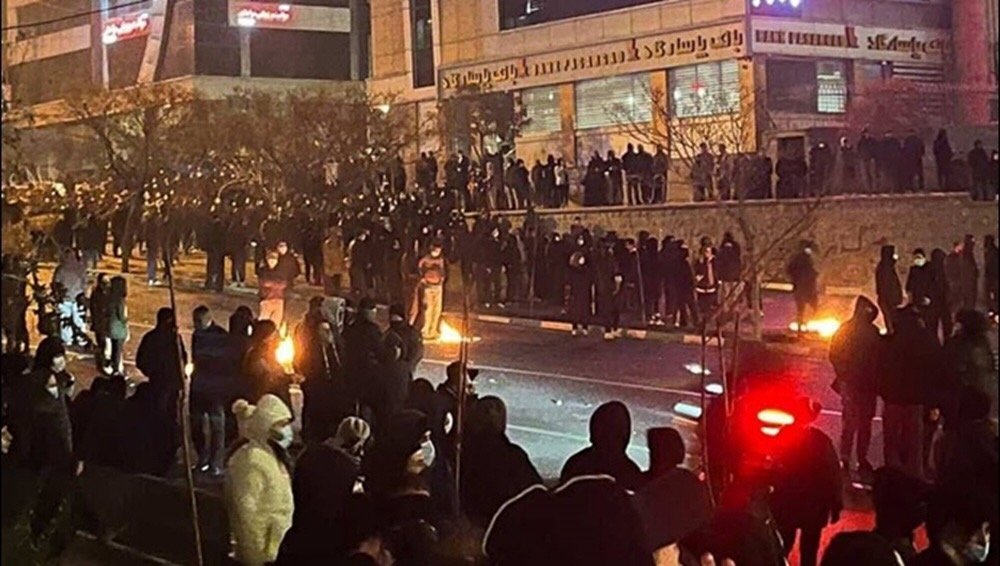
The protests began in late December 2025. They were driven by soaring inflation, economic mismanagement, and deep frustration with Iran’s clerical leadership under Supreme Leader Ayatollah Ali Khamenei. Demonstrations initially targeted rising living costs. They soon escalated into nationwide unrest across more than 100 cities, with open calls for regime change.
Both outlets broadly agree on the scale of events. Clashes intensified across multiple provinces. Security forces deployed lethal force. Authorities carried out mass arrests exceeding 2,500 people. A nationwide internet blackout further restricted information flows and independent verification.
However, the framing differs sharply. Al Jazeera presents the protests as genuine economic grievances that violent groups later hijacked. It highlights alleged foreign involvement by Israel and the United States. The network quotes Iranian officials extensively. Parliament Speaker Mohammad Baqer Qalibaf warned of retaliation against US bases and Israel if attacks occurred. President Masoud Pezeshkian accused Washington and Tel Aviv of spreading “chaos and disorder.”
The report also notes the army’s pledge to protect critical infrastructure. This framing depicts Iran as facing internal sabotage combined with external threats.
In contrast, the BBC centres its coverage on protester demands to end clerical rule. It verifies videos showing crowds chanting against the establishment. It also documents hospitals overwhelmed by civilian casualties. The broadcaster highlights statements from exiled figures such as Reza Pahlavi, the son of Iran’s last shah. He urged continued resistance and claimed that some regime forces were refusing orders.
The BBC places strong emphasis on human rights concerns. It reports that Iran’s attorney general labelled protesters “enemies of God,” a charge that can carry the death penalty. It also cites Ayatollah Khamenei’s dismissal of demonstrators as “vandals” who please former US President Donald Trump.
Casualty Figures: A Tale of Two Counts
The sharpest divergence appears in reported death tolls. These figures significantly influence public perception.
Al Jazeera’s Account:
Al Jazeera leads with Iranian state media claims that 109 security personnel were killed nationwide. This includes 30 deaths in Isfahan province and six in Kermanshah. The network cites the Tasnim news agency and describes attacks on mosques and relief buildings as ISIS-style violence carried out by “rioters.”
The outlet mentions protester deaths briefly. The Norway-based group Iran Human Rights reports at least 51 fatalities, including nine children. Opposition activists claim higher figures. However, the coverage keeps its focus on security force casualties. This emphasis reinforces the portrayal of protesters as primary aggressors.
BBC’s Account:
The BBC reverses this emphasis. It reports that at least 192 protesters were killed, according to Iran Human Rights. Hospital medics confirmed more than 100 bodies over a two-day period. The broadcaster verified 26 identities, including six children.
The BBC acknowledges security force deaths. It cites the US-based Human Rights Activists in Iran, which reported 38 fatalities among personnel. It includes these within a broader tally of over 100 total deaths. However, these figures do not dominate the narrative. Instead, the report highlights Amnesty International’s concerns about “unlawful use of lethal force.” It also questions official claims, despite Iran’s police chief blaming most deaths on “trained and directed individuals.”
This contrast shapes audience sympathy. Al Jazeera tends to humanise security forces as defenders of order. The BBC foregrounds civilian suffering under authoritarian repression. Critics argue that Western media framing aligns with long-standing US and UK efforts to isolate Iran. These claims gained traction after US airstrikes on Iranian nuclear facilities in 2025 reportedly killed hundreds.
Geopolitical Influences and Media Bias
Debates over media bias in Iran coverage are not new. Critics often accuse Western outlets, including the BBC, of advancing a regime-change narrative that aligns with US and European interests. Donald Trump’s threats to strike Iran “very hard” if killings continued added to this perception. His social media posts offering US “help” for Iranian “FREEDOM” further fuelled suspicion.
Both outlets referenced these statements. However, the BBC integrated them alongside endorsements from opposition figures such as Pahlavi. This approach may portray external involvement as supportive. Al Jazeera framed the same statements as hostile interference. It echoed Iranian warnings of retaliation.
Bias allegations also extend to Al Jazeera. The network receives funding from the Qatari government. Critics argue that Qatar’s diplomatic engagement with Tehran influences its editorial stance. Its reliance on Iranian state sources like Tasnim for casualty data may reflect this positioning.
The BBC, funded by licence fees and overseen by UK institutions, often prioritises human rights narratives. These themes align with official Western diplomacy, including UK Foreign Secretary Yvette Cooper’s call to avoid violence against protesters.
Internet blackouts complicate reporting for all outlets. Journalists must rely on exile groups, anonymous medical staff, or official statements. The BBC openly acknowledges verification challenges. Al Jazeera draws on academic sources such as Hassan Ahmadian of Tehran University. He criticises violence on both sides while noting widespread economic dissatisfaction.
Selective sourcing can create echo chambers. Western audiences may see a brutal regime crushing dissent. Others may perceive foreign-engineered destabilisation.
Broader Implications for Global Journalism
The Iranian protests recall earlier unrest, including the 2022 Mahsa Amini uprising. Human rights groups then reported over 550 deaths. Official figures were far lower. Such gaps continue to erode public trust in media reporting.
Social media intensifies this problem. Users circulate unverified videos that both outlets reference cautiously. In this environment, readers must actively compare multiple sources.
Non-Western outlets like Al Jazeera offer counter-narratives to Western reporting. These perspectives reveal how geopolitical alliances shape editorial choices. The reality likely reflects a combination of factors. Significant casualties occurred on all sides. Public anger was real. External interests further complicated events.
As tensions rise amid renewed US rhetoric and Iranian threats of retaliation, media framing carries serious consequences. Coverage can either inflame conflict or promote understanding. These reports demonstrate that no single outlet owns the full truth. A balanced view requires diverse sourcing, critical reading, and sustained scrutiny.