Dense Fog Grips Delhi-NCR as Air Quality Remains Very Poor
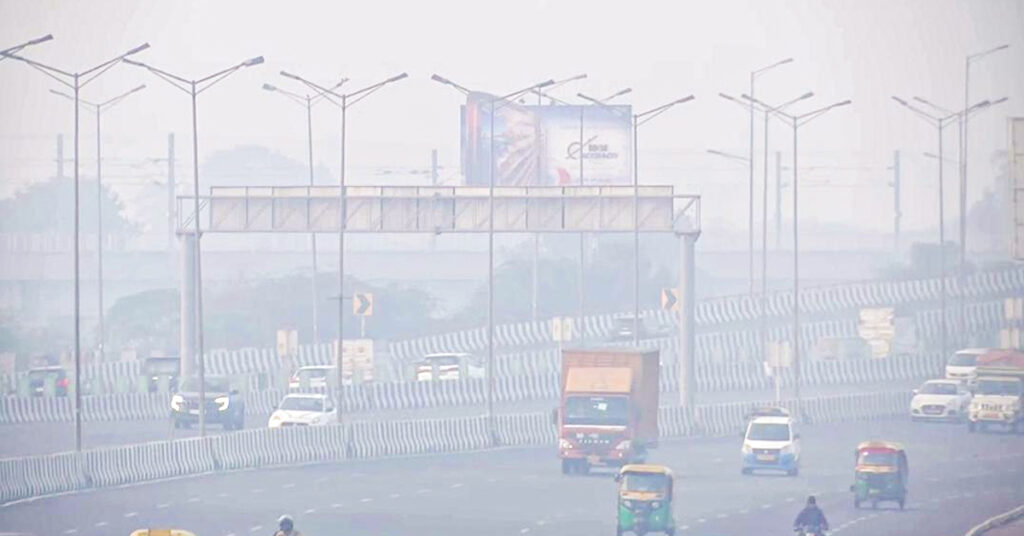
Winter mornings in Delhi-NCR have taken a familiar yet troubling turn as dense fog blankets the region, reducing visibility to dangerously low levels and disrupting daily life. Alongside the fog, air quality continues to linger in the ‘very poor’ category, compounding health concerns for millions of residents. What appears at first glance as a seasonal inconvenience actually reflects a deeper environmental and public health challenge that resurfaces every year.
This blog explores why dense fog has intensified across Delhi-NCR, how it links closely with air pollution, the impact on transport and health, and what this recurring winter pattern reveals about the region’s environmental vulnerabilities.
Summary
Dense fog has enveloped Delhi-NCR, sharply reducing visibility and disrupting road, rail, and air travel. At the same time, air quality continues to remain in the ‘very poor’ category, raising serious health concerns. The blog explains how winter weather traps pollutants and worsens fog conditions. It also highlights why long-term solutions are needed to break this recurring seasonal cycle.
Also Read: Delhi-NCR Chokes as AQI Crosses 700: A Call to Breathe
Why Dense Fog Has Settled Over Delhi-NCR
Fog formation in Delhi-NCR is not random. It results from a specific mix of weather conditions that commonly appear during winter. Falling temperatures, high moisture levels in the air, and calm wind conditions create an environment where water droplets remain suspended close to the ground.
When pollutants from vehicles, industries, construction, and household activities mix with moisture, fog becomes thicker and more persistent. These pollutants act as condensation points, allowing fog to grow denser and last longer than it otherwise would. As a result, visibility drops sharply, sometimes to just a few meters, especially during early morning and late-night hours.
The Link Between Fog and Very Poor Air Quality
While fog and pollution are not the same, they often intensify each other in Delhi-NCR. Polluted air traps heat near the surface and prevents the dispersion of particulate matter. This creates a stagnant layer where harmful particles remain suspended for long periods.
When air quality falls into the ‘very poor’ category, it means the concentration of fine particles poses serious health risks. These particles become embedded within the fog, making the air heavier and more harmful to breathe. Residents may feel irritation in the eyes, throat, and chest even during short outdoor exposure.
Impact on Daily Life and Transportation
Dense fog significantly disrupts movement across Delhi-NCR. Road travel becomes risky as visibility drops, leading to slower traffic, longer commutes, and an increased chance of accidents. Highways and arterial roads experience congestion as drivers struggle to navigate safely.
Air travel often faces delays and diversions, especially during early morning hours when fog reaches its peak density. Trains also run late, affecting intercity and suburban passengers alike. For many commuters, winter mornings begin with uncertainty and extended travel times.
Schools, offices, and businesses feel the ripple effect as employees and students arrive late or face difficulties commuting.
Also Read: India Steps Up Emergency Pollution Controls
Health Concerns Rise as Pollution Persists
Very poor air quality combined with dense fog poses a serious health challenge, particularly for vulnerable groups. Children, elderly people, and individuals with respiratory or heart conditions face the highest risk.
Doctors often report an increase in cases related to breathing difficulties, persistent coughing, asthma flare-ups, and eye irritation during such periods. Even healthy individuals may experience fatigue, headaches, or reduced lung function after prolonged exposure.
Health experts advise minimizing outdoor activities, especially during early mornings when pollution and fog levels peak. Using protective masks and keeping indoor spaces ventilated yet insulated from outdoor air can help reduce exposure.
Why This Pattern Repeats Every Winter
Delhi-NCR’s winter air crisis follows a predictable cycle. Emissions from vehicles and industries remain constant, while seasonal factors worsen their impact. Crop residue burning in neighboring regions, festive firecrackers earlier in the season, and continuous construction activity add to the pollution load.
Once winter sets in, colder air prevents pollutants from rising and dispersing. Without strong winds or rain, the air stagnates, allowing pollution to build up day after day. Fog then settles into this polluted layer, locking the problem in place.
This combination ensures that dense fog and poor air quality remain persistent rather than temporary.
Government Measures and Their Limitations
Authorities often respond to worsening conditions by issuing advisories and implementing pollution control measures. These may include restricting construction activities, limiting heavy vehicle movement, and urging residents to reduce unnecessary travel.
While such steps provide short-term relief, they rarely address the core sources of pollution. Enforcement challenges and the sheer scale of emissions make it difficult to achieve lasting improvement through emergency measures alone.
Experts repeatedly emphasize that sustainable solutions require year-round action rather than seasonal responses.
How Residents Can Protect Themselves
Although individuals cannot control outdoor air quality, they can take steps to reduce personal exposure. Wearing masks that filter fine particles helps when stepping outside. Keeping windows closed during peak pollution hours and using indoor air purifiers can improve indoor air quality.
Reducing outdoor exercise during early mornings, staying hydrated, and seeking medical advice at the first sign of breathing discomfort are also important precautions. Awareness and proactive behavior play a crucial role during such periods.
The Bigger Environmental Challenge
Dense fog and very poor air quality serve as visible reminders of a larger environmental issue facing Delhi-NCR. Rapid urbanization, increasing vehicle ownership, and dependence on fossil fuels continue to strain the region’s air.
Climate patterns are also changing, with winters becoming more unpredictable. These shifts may further worsen fog intensity and pollution episodes unless emission levels drop significantly.
Addressing the problem requires coordinated action across states, long-term investment in cleaner transport, stricter emission norms, and widespread adoption of sustainable practices.
What Needs to Change for Long-Term Improvement
Lasting improvement depends on reducing pollution at its source. Expanding public transport, promoting electric vehicles, enforcing industrial compliance, and managing construction dust effectively can make a meaningful difference.
Agricultural policies must also support alternatives to crop residue burning. Without addressing this seasonal contributor, winter air quality will remain vulnerable.
Public participation matters just as much. When citizens demand clean air and support environmentally responsible policies, it strengthens the push for change.
Conclusion
As dense fog continues to envelop Delhi-NCR and air quality remains very poor, residents face yet another reminder of the region’s ongoing environmental struggle. While fog may lift by midday, the pollution behind it lingers far longer, affecting health, mobility, and quality of life.
Until long-term solutions replace temporary fixes, winter in Delhi-NCR will continue to arrive with smog-filled skies and difficult mornings. Clean air should not be a seasonal luxury. It must become a year-round priority, backed by collective responsibility and sustained action.