SIM Binding for WhatsApp: India’s New DoT Rules Explained
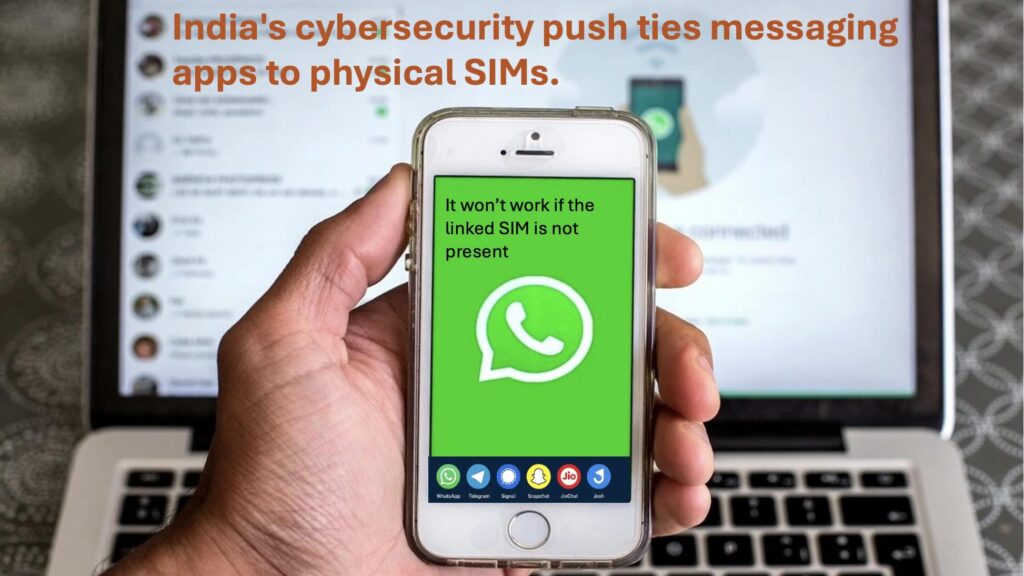
India’s Department of Telecommunications (DoT) has introduced strict SIM binding rules for WhatsApp and similar apps, fundamentally altering how millions access messaging services. Effective from late November 2025, these Telecommunication Cybersecurity Amendment Rules, 2025, demand continuous verification of the original SIM card in devices. As a result, the beloved Wi-Fi-only WhatsApp era ends abruptly, prioritising cybersecurity over user convenience.
The government targets cyber fraud exploiting inactive SIMs, where scammers keep numbers alive on apps without physical cards. Therefore, platforms must now enforce “digital monogamy,” tethering accounts to active, inserted SIMs. This shift affects everyday habits, from spare phones to web sessions, forcing widespread adaptation.
Core Provisions of SIM Binding WhatsApp India Mandate
Under the new framework, WhatsApp, Telegram, Signal, Snapchat, and local apps like Arattai and JioChat qualify as Telecommunication Identifier User Entities (TIUEs). Consequently, they face telecom-like oversight. Each app must halt services if the registration SIM is absent, swapped, or deactivated, ensuring real-time linkage.
Web and desktop versions receive extra restrictions. Sessions auto-logout every six hours, requiring QR re-authentication from the SIM-bound phone. Platforms have 90 days for full implementation and 120 days to submit DoT compliance reports. In addition, this closes loopholes in the prior one-time OTP system.
Technical experts note challenges, especially on iOS for constant SIM checks. However, authorities insist platforms can comply swiftly, mirroring UPI and banking apps’ SIM mandates. The Cellular Operators Association of India (COAI) supports this, hailing the mobile number as India’s most reliable identity.
Government Rationale Behind the Crackdown
Cyber fraud drives the policy. Fraudsters abroad misused disconnected Indian numbers on Wi-Fi devices for phishing and scams, evading telecom traces. Investigators highlighted persistent app access despite inactive SIMs, complicating crackdowns. Therefore, DoT aims to forge a “reliable link” between user, number, and device.
Months of platform consultations preceded the directive. Officials frame it as ecosystem integrity protection, not mere control. COAI echoes this, viewing SIM binding WhatsApp India as a fraud window closure. Supporters argue it shields vulnerable users without overreach.
Everyday Impacts: Farewell to Spare Phone Habits
Urban professionals face disrupted workflows. WhatsApp Web, once a permanent desk fixture, now demands twice-daily QR scans during shifts. Journalists separating work-life via multi-device setups must consolidate.
NRIs and travellers suffer too. Maintaining Indian numbers abroad without SIM insertion becomes impossible. Low-income rural families, using old SIM-less phones for messaging, now need extra active cards, hiking costs. Parents gifting hand-me-downs to children encounter barriers.
Shopkeepers and gig workers relying on secondary devices for orders lose flexibility. In essence, India’s flexible digital culture yields to rigidity, pushing single-device dominance. However, this traceability promises safer communication long-term.
Stakeholder Reactions and Debates
Industry backs the move for fraud reduction. Telecom bodies praise alignment with KYC norms. Cybersecurity experts deem it sensible, given rising threats. Yet, digital rights voices criticise the lack of public debate and rushed rollout.
Critics question efficacy—fraudsters may use mule SIMs—and proportionality. They highlight burdens on honest users versus minimal deterrence. Technical feasibility on varied OS remains debated. In addition, no broad impact study preceded enforcement.
Platforms face engineering hurdles within 90 days. WhatsApp and Telegram must rework authentication, potentially clashing with privacy policies now akin to telecom regulation. Users adapt or risk disconnection.
Who Feels the Pinch Most?
Urban workers juggle frequent logouts, reshaping multi-screen routines. NRIs scramble for SIM access abroad. Households with shared devices incur SIM fees. Platforms rush compliance amid scrutiny.
Children on Wi-Fi phones shift to monitored lines. Businesses rethink order-taking tools. Rural users, already cost-sensitive, face offline risks. Overall, convenience bows to security in India’s evolving digital landscape.
This SIM binding WhatsApp India policy redefines communication norms. While fraud curbs justify action, adaptation challenges loom large. Stay updated as platforms roll out changes—your next QR scan might just save the ecosystem. For more on tech regulations, explore our cybersecurity section.