US Iran War Consequences: How a Military Confrontation Could Backfire on Washington
28 February 2026 | The geopolitical standoff between Washington and Tehran has entered a highly volatile phase. Failed diplomatic efforts, expanding military deployments, and rising regional alerts now point towards a serious risk of confrontation. Analysts warn that the US Iran war consequences could extend far beyond the Middle East, reshaping global security, energy markets, and American failure and strategic credibility.
Following the collapse (or no results) of nuclear talks in Geneva in late February 2026, tensions have intensified. The United States has demanded zero uranium enrichment, dismantlement of key nuclear facilities, and surrender of enriched stockpiles. Iran has rejected these terms, insisting on its right to peaceful nuclear activity and full sanctions relief.
Military experts have argued that diplomacy is rapidly losing ground, and Iran now views any attack as an existential threat and is prepared to respond with full national mobilisation.
Diplomatic Breakdown and Escalating Political Pressures
The present crisis reflects deep failures in diplomatic engagement. Negotiations have stalled over core disagreements on enrichment limits, sanctions removal, and security guarantees. Each side believes compromise would weaken its strategic position.
US President Donald Trump and several US lawmakers have maintained a confrontational approach towards Iran. This stance continues to receive bipartisan support in Congress, despite widespread public opposition to another Middle Eastern war.
Political calculations, alliance commitments, and lobbying pressures have narrowed diplomatic flexibility. As a result, Washington increasingly relies on military leverage rather than sustained negotiation. However, this strategy has hardened Iran’s resistance instead of encouraging concessions.
Consequently, both sides now operate in an atmosphere of mutual mistrust and strategic rigidity.
Military Buildup and Operational Constraints
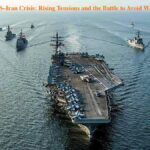
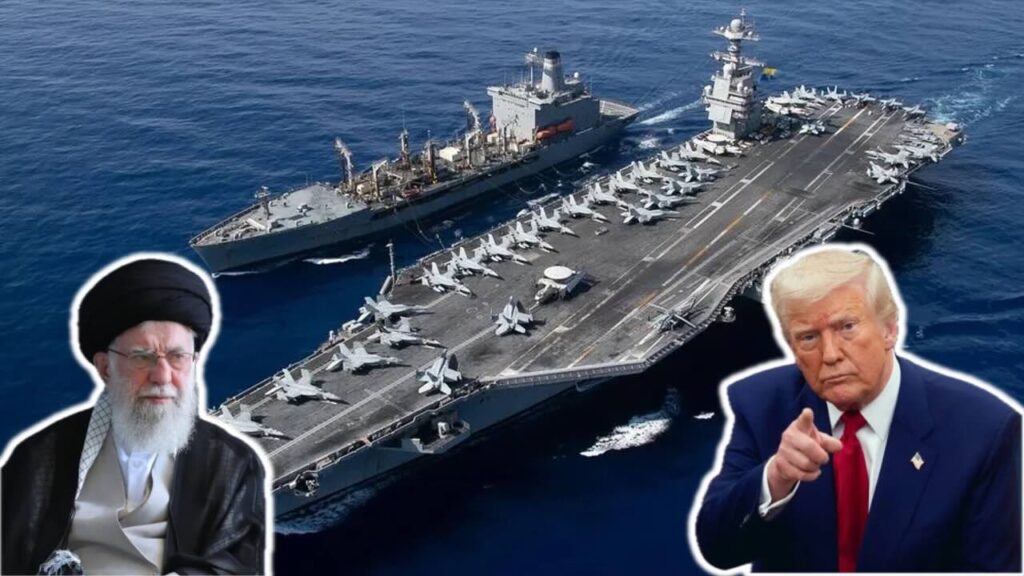
The United States has assembled its largest regional military presence in decades. Multiple carrier strike groups, long-range bombers, fighter squadrons, and air defence systems now operate across the Middle East.
Despite this show of force, major operational challenges remain.
First, most US aircraft must fly long distances from distant bases or carriers. This creates heavy dependence on aerial refuelling. Any disruption to tanker operations could severely limit strike capacity.
Second, Iran has strengthened its integrated air defence network with assistance from China and Russia. These systems complicate airspace penetration and increase risks for attacking aircraft.
Third, the US Navy remains overstretched. Extended deployments have strained crews and equipment. Once missile stocks are depleted against the swarms of Iranian missiles, vessels must travel far for reloading, reducing operational tempo.
Together, these factors constrain America’s ability to sustain prolonged high-intensity campaigns.
Iran’s Military Capabilities and Likely Response
Iran has spent decades preparing for conflict with technologically superior opponents. Its defence strategy focuses on deterrence, dispersal, and asymmetric warfare.
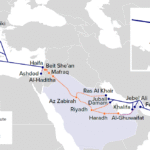
Tehran possesses thousands of medium-range and precision-guided missiles capable of striking regional targets. These include US bases across West Asia, ranging from Jordan and Israel to the Red Sea region and Qatar, as well as naval assets and major Israeli cities. Some of these missiles demonstrate hypersonic characteristics, significantly complicating interception efforts.
In addition, Iran has developed anti-ship systems designed to threaten carrier groups. These weapons force US vessels to operate at greater distances, reducing effectiveness.
Iran also maintains extensive networks of allied militias in Iraq, Syria, Lebanon, and Yemen. In wartime, these groups could open multiple fronts simultaneously.
Therefore, even limited strikes are likely to trigger a region-wide response.
Warning Signs: Evacuations and Regional Alerts
Recent developments underline the seriousness of the crisis.
The US Embassy in Israel has urged non-essential staff and families to leave. Washington has partially evacuated its mission in Baghdad. India and China have advised its citizens in Iran to leave the country. In the latest developments, UK has closed its diplomatic establishments in Iran. Israel has activated bomb shelters in southern cities.
These precautionary measures indicate official expectations of possible escalation.
Meanwhile, Iran has reportedly reinforced sites damaged during previous clashes with Israel and accelerated defensive preparations. Officials in Tehran increasingly describe confrontation as unavoidable.
Such developments reduce diplomatic room for manoeuvre and raise the risk of miscalculation.
Short-Term, Medium-Term, and Long-Term Consequences
Immediate Phase: First Weeks
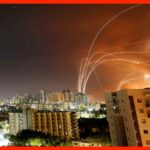
In the initial phase, US and Israeli forces would likely target nuclear facilities, missile bases, and command centres through air and missile strikes. Iran would respond with missile launches, drone attacks, and proxy operations.
Oil shipments through the Strait of Hormuz could face disruption, affecting nearly 20 per cent of global supply. Energy prices would rise sharply. Regional markets would experience severe volatility.
Medium-Term Phase: Prolonged Attrition
If fighting continues, Iran’s asymmetric warfare capabilities would impose sustained costs. Cyber operations, proxy attacks, and maritime harassment would strain US and allied resources.
Although American forces might achieve tactical successes, Iran could rebuild dispersed infrastructure and adapt its strategies. Casualties and financial costs would accumulate.
Domestic opposition in the United States would intensify if losses mount.
Long-Term Phase: Strategic Uncertainty
Over time, several outcomes remain possible. Iran’s regime could survive and emerge more hardened. Alternatively, internal instability could produce fragmentation and refugee flows.
In either case, regional volatility would persist. Rebuilding trust and restoring stability would take years.
No clear path to decisive victory currently exists.
China, Russia, and the Changing Global Balance
A major conflict would inevitably involve external powers.
China relies heavily on Iranian energy supplies and views Tehran as a strategic partner. Russia maintains security and political ties. Both countries already provide diplomatic and technical support.
Initially, assistance may remain indirect. However, prolonged fighting could prompt deeper involvement through intelligence sharing, logistics, or advanced equipment.
This would accelerate the transition towards a multipolar world order and weaken Western dominance.
Washington risks triggering long-term geopolitical realignments beyond its control.
Economic Impact and Domestic Fallout in the United States
The financial burden of war would be substantial. Sustaining air and naval operations costs billions of dollars each month. Rising debt and inflation would worsen economic pressures.
Higher oil prices would affect transport, manufacturing, and household expenses. Supply chains would face renewed disruption.
Public tolerance for casualties remains limited. Significant losses could erode political support and deepen social divisions.
Historical experience suggests that prolonged overseas conflicts often weaken domestic cohesion.
Global Reputation and Strategic Credibility
For decades, US military power has been perceived as overwhelming. A costly and inconclusive conflict with Iran would challenge this image.
Rivals may feel emboldened. Partners may question Washington’s judgment. Diplomatic influence could decline.
Once strategic credibility weakens, rebuilding it becomes extremely difficult.
Therefore, reputational risks remain substantial.
Limited Gains, Expanding Risks
Supporters of military action argue that strikes could delay Iran’s nuclear and missile programmes. However, air power alone cannot eliminate deeply embedded capabilities.
Iran can relocate facilities, expand domestic production, and rebuild infrastructure. Without large-scale ground involvement, lasting results appear unlikely.
At the same time, regional instability, economic disruption, and strategic rivalry would intensify.
In practical terms, the United States may invest vast resources while achieving limited long-term benefit.
A Narrowing Window for Diplomacy
The current trajectory reflects a failure of sustained diplomacy and strategic restraint. The US Iran war consequencescould include heavy casualties, energy shocks, regional fragmentation, and declining global influence.
Iran shows no sign of capitulation. External powers are prepared to exploit any weakness. Public opinion in many countries remains wary of escalation.
History demonstrates that wars driven by political pressure and strategic overconfidence rarely end well. Without renewed diplomatic engagement and credible compromise, the risk of a costly miscalculation continues to grow.
In the coming months, decisions taken in Washington and Tehran will shape not only Middle Eastern stability but also the future balance of global power.