Türkiye to Establish Combat Aerial Drone Assembly Facility in Pakistan
A New Defence Chapter in South Asia
Türkiye is preparing to open a combat drone assembly plant in Pakistan, marking one of its most ambitious defence expansions in the region. The move strengthens Ankara’s defence-industrial outreach and supports Islamabad’s push for greater military self-reliance. It also comes at a time when Pakistan faces mounting internal and external security pressures.
The new facility will assemble advanced unmanned aerial systems for Pakistani forces and, eventually, for export markets. Consequently, Pakistan gains faster access to drones, improved maintenance capability, and increased operational flexibility. Türkiye, meanwhile, reinforces its position as a major drone exporter with growing influence in South Asian security affairs.
How the Drone Plant Is Expected to Work
The plant is likely to use components shipped from Türkiye, while Pakistan contributes labour, infrastructure, and support systems. This model allows both countries to share the workload. It also creates opportunities for technology transfer, a key objective for Islamabad.
Moreover, the facility will handle assembly, maintenance, repair, and overhaul (MRO) functions. Some analysts believe it may include limited R&D activity once operations stabilise. Türkiye already earns more than USD 500 million annually through defence trade with Pakistan, and the new plant may push that figure even higher.
Türkiye’s decision fits into a larger trend. Its drone exports grew by more than 30% in 2025, and the country continues to expand its defence partnerships across Asia, Africa, and the Middle East.
Why Türkiye Is Deepening Its Defence Ties with Pakistan
Several strategic motives support the initiative.
First, Türkiye has maintained strong military cooperation with Pakistan for decades. The two countries have collaborated on naval projects, aircraft upgrades, infantry systems, and counterterrorism training.
Secondly, Ankara wants to diversify export hubs and build a presence in South Asia. A plant in Pakistan gives Türkiye a forward base near the Gulf and Central Asian markets.
Thirdly, Turkish drones have gained extensive combat exposure in Libya, Syria, Ukraine, and the Caucasus. Their proven track record makes them attractive to Pakistan, which needs cost-effective unmanned systems.
Additionally, the plant strengthens political alignment. Türkiye has been increasingly assertive in global arms markets, and Pakistan provides a receptive partner seeking affordable high-tech systems.
What the Deal Means for Pakistan
For Islamabad, the project represents a major step up. Local assembly reduces dependence on direct imports and cuts delivery time for military units. It also allows Pakistani technicians to develop deeper expertise in UAV operations, maintenance, and integration.
Pakistan has relied heavily on drones to monitor the Afghan border and to counter groups such as the Tehrik-e-Taliban Pakistan (TTP). Therefore, a domestic production and support line enhances Pakistan’s readiness and sustainability. It also lowers long-term costs, an important factor given Pakistan’s economic constraints.
In addition, Pakistan expects future export opportunities. A joint facility with Türkiye gives Islamabad a commercial opening in countries seeking lower-cost drone alternatives.
Implications for India: A Strategic Assessment
The development carries clear consequences for India’s security environment.
First, Pakistan gains the ability to field combat-ready drones more quickly. Local assembly allows rapid replenishment and customisation of UAV fleets.
Secondly, the India–Pakistan military balance continues to shift towards drone-heavy operations. As a result, India may need to accelerate its own programmes involving UCAVs, loitering munitions, and swarm systems.
Thirdly, Türkiye’s growing role in Pakistan’s defence sector introduces a new geopolitical element. The partnership may influence future alignments in South Asia, Central Asia, and the Middle East.
Lastly, the prospect of Pakistan exporting Turkish-assembled drones could reshape regional arms flows.
Overall, the facility strengthens Pakistan’s airpower ecosystem and complicates India’s threat-planning matrix.
What Remains Unclear and What to Watch
Several details still need official confirmation. The location of the facility has not been announced. Similarly, the timeline for operational readiness remains uncertain.
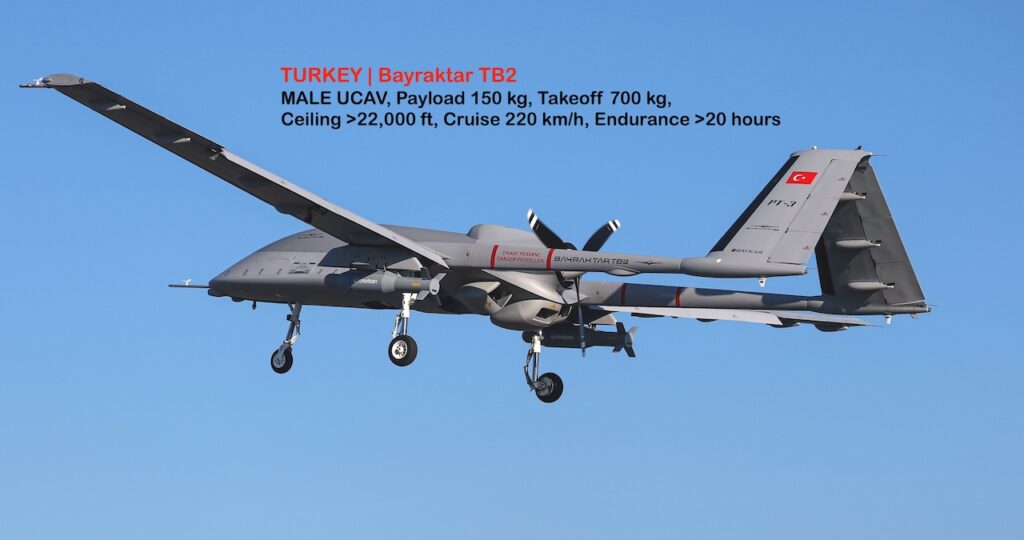
It is also unclear whether Pakistan will assemble only Bayraktar TB2 drones or more advanced systems like Akıncı.
Additionally, the depth of technology transfer will determine how quickly Pakistan moves from assembly to partial production. Export rules, end-use controls, and third-country sales will also shape the long-term impact of this deal.
The Bottom Line
The planned Türkiye Pakistan drone plant marks a significant shift in South Asia’s defence-industrial landscape. Türkiye gains a strong foothold in the region. Pakistan advances its military self-reliance. India faces a more complex strategic environment, especially as drones become central to modern warfare.
This partnership will shape the region’s military balance in the years ahead, and its evolution will be watched closely in New Delhi and beyond.