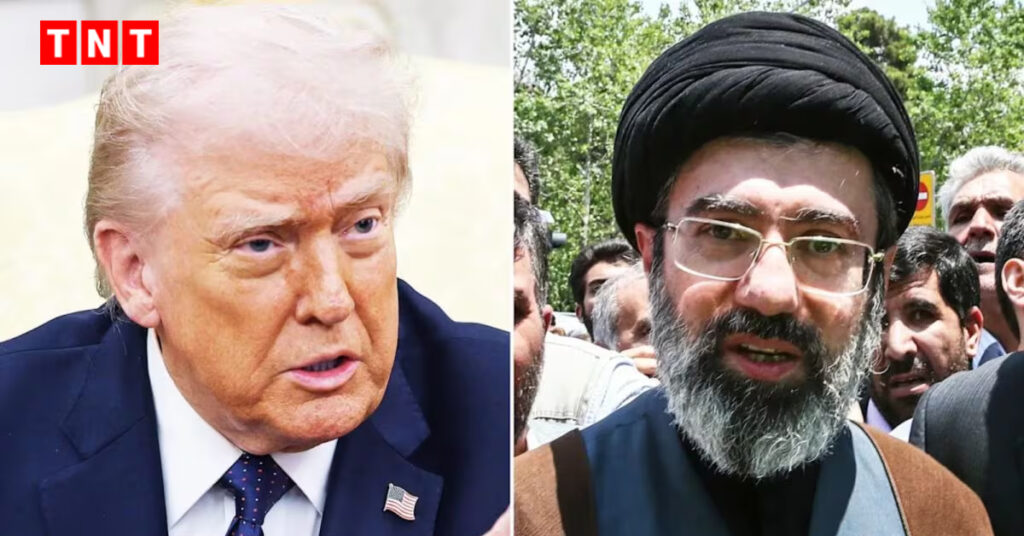
Trump Suggests Mojtaba Khamenei Survived War Injuries
The geopolitical landscape of the Middle East has become increasingly volatile as the ongoing conflict involving Iran, the United States, and regional allies continues to evolve. In a recent statement, former U.S. President Donald Trump suggested that Iran’s newly appointed Supreme Leader, Mojtaba Khamenei, is likely still alive “in some form,” despite growing reports that he may have suffered injuries during the early stages of the conflict.
The comments have added another layer of uncertainty to an already tense situation. While Iranian officials insist that their new leader remains safe, the lack of public appearances and conflicting reports about his health have fueled speculation about the real condition of the country’s top authority.
This development highlights how leadership dynamics can influence the trajectory of international conflicts, especially when the figure at the center of power remains largely unseen.
The Rise of Mojtaba Khamenei
Mojtaba Khamenei, the son of former Iranian Supreme Leader Ali Khamenei, emerged as the new leader of Iran following the death of his father during the initial phase of the current conflict. The elder Khamenei had ruled Iran for decades, shaping the country’s political ideology and foreign policy.
After his death, Iran’s clerical leadership moved quickly to appoint Mojtaba as his successor. The decision surprised many observers because Mojtaba had long maintained a relatively low public profile despite being considered influential within the country’s political and religious establishment.
At 56 years old, Mojtaba Khamenei is known to have strong ties with Iran’s powerful security institutions, including the Revolutionary Guard. Analysts believe these connections played an important role in consolidating his leadership during a time of crisis.
However, his sudden rise to power during wartime has created significant challenges. Any uncertainty surrounding his health or ability to lead could affect Iran’s strategic decision-making at a critical moment.
Read Also: Tomahawk Missile Depletion Raises Questions Over US Navy War Logistics Support
Reports of Injury and Conflicting Claims
Shortly after Mojtaba Khamenei assumed leadership, reports began circulating that he had been injured during military strikes linked to the ongoing war. Some sources suggested that he sustained injuries to his legs and had been moved to a highly secure location for protection.
These claims were quickly followed by speculation that the leader might be in critical condition or even in a coma. However, Iranian officials strongly rejected such rumors, insisting that he remains safe and continues to oversee national affairs.
Adding to the confusion, Mojtaba Khamenei has not appeared publicly since his appointment. Instead, statements attributed to him have been delivered through intermediaries or broadcast by state media.
In highly centralized political systems, the absence of visible leadership often leads to intense speculation. Without direct communication from the leader himself, the international community is left interpreting fragments of information.
Read Also: U.S. Frustration Grows After Israel Targets Dozens of Iranian Oil Facilities
Trump’s Remarks and Strategic Messaging
Donald Trump’s statement that Mojtaba Khamenei is “probably alive but damaged” reflects the uncertainty surrounding the Iranian leader’s condition.
The comment was made during an interview in which Trump discussed the progress of military operations and the broader objectives of the campaign against Iran.
Such remarks carry both political and strategic implications. On one hand, they acknowledge the possibility that Iran’s leadership remains intact despite heavy military pressure. On the other hand, they signal that the United States continues to monitor the situation closely.
Statements from global leaders during wartime often serve multiple purposes. They inform domestic audiences, send signals to adversaries, and influence international perceptions of the conflict.
In this case, Trump’s comments highlight the uncertainty that still surrounds the outcome of the ongoing confrontation.
Leadership Stability in Wartime
Leadership stability plays a crucial role in determining how countries respond to external threats. In times of conflict, strong and visible leadership can help maintain public confidence and coordinate military strategy.
Conversely, uncertainty about a leader’s health or authority can create internal divisions or weaken decision-making processes.
Iran’s political structure places immense power in the hands of its Supreme Leader. This role oversees the military, foreign policy, and the broader ideological direction of the state.
Therefore, questions about Mojtaba Khamenei’s condition carry significant implications not just for Iran’s domestic politics but also for regional stability.
Read Also: Stranded in the Storm: The Middle East Evacuation Crisis and Millions at Risk
Regional Tensions Continue to Rise
The ongoing conflict involving Iran, Israel, and the United States has already triggered a series of military exchanges across the region. Missile strikes, drone attacks, and strategic operations have increased tensions among multiple actors in the Middle East.
Several neighboring countries are watching developments closely, as any escalation could affect regional security and economic stability.
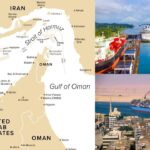
Energy markets have also reacted cautiously, given the strategic importance of the Persian Gulf for global oil supply.
In this complex environment, the status of Iran’s leadership becomes a critical factor in predicting how the conflict might evolve.
Why Mojtaba Khamenei Remains a Mysterious Figure
Even before becoming Supreme Leader, Mojtaba Khamenei was known for maintaining a low public profile. Unlike many prominent political figures, he rarely gave speeches or appeared in public events.
Much of his influence was believed to operate behind the scenes within Iran’s political and security networks.
This secrecy has continued even after his appointment. The absence of direct communication has allowed rumors to spread quickly, making it difficult for observers to verify the true state of affairs.
In an era dominated by instant communication and constant media coverage, such silence is unusual for a national leader during wartime.
Read Also: Hundreds of India Flight Cancellations as Middle East Airspace Closes Amid Conflict
Global Reactions and Diplomatic Concerns
International governments are closely monitoring developments in Iran’s leadership. Any sign of instability within the country’s ruling structure could reshape diplomatic strategies and military planning.
For allies and adversaries alike, understanding who truly holds power in Tehran is essential for predicting the next phase of the conflict.
Diplomatic channels remain active behind the scenes, as global powers attempt to prevent the conflict from expanding further.
The Road Ahead
The coming weeks will likely reveal more about Mojtaba Khamenei’s condition and his ability to lead Iran during this turbulent period.
If he appears publicly or addresses the nation directly, it could reduce speculation and strengthen perceptions of leadership stability.
However, continued silence may deepen uncertainty and intensify international scrutiny.
For now, the world remains focused on the evolving situation as political statements, intelligence reports, and regional developments shape the narrative of this ongoing crisis.
Conclusion
Donald Trump’s statement that Mojtaba Khamenei may still be alive despite reported war injuries highlights the uncertainty surrounding Iran’s leadership during one of the most tense periods in recent Middle Eastern history.
Conflicting reports, limited public appearances, and ongoing military operations have created an atmosphere of speculation and geopolitical intrigue.
As the conflict continues, the status of Iran’s Supreme Leader will remain a key factor influencing regional dynamics and global diplomacy. Whether Mojtaba Khamenei emerges publicly or continues to operate behind the scenes could shape the next chapter of this unfolding international crisis.
FAQ about Trump Suggests Mojtaba Khamenei Survived War Injuries
1. Who is Mojtaba Khamenei?
Mojtaba Khamenei is the son of former Iranian Supreme Leader Ali Khamenei and has reportedly taken over the leadership role following his father’s death.
2. Why are there reports about his injuries?
Reports suggest he may have been injured during military strikes related to the ongoing conflict in the Middle East.
3. What did Donald Trump say about Mojtaba Khamenei?
Trump stated that he believes Mojtaba Khamenei is probably still alive but may have suffered injuries during the conflict.
4. Why has Mojtaba Khamenei not appeared publicly?
The Iranian leadership has not provided a clear explanation, but security concerns during wartime may be a factor.
5. How could this affect the conflict in the Middle East?
Leadership uncertainty in Iran could influence military decisions, diplomatic negotiations, and regional stability.