Strait of Hormuz Offensive: US Launches Major Operation to Break Iranian Blockade
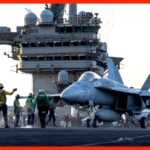
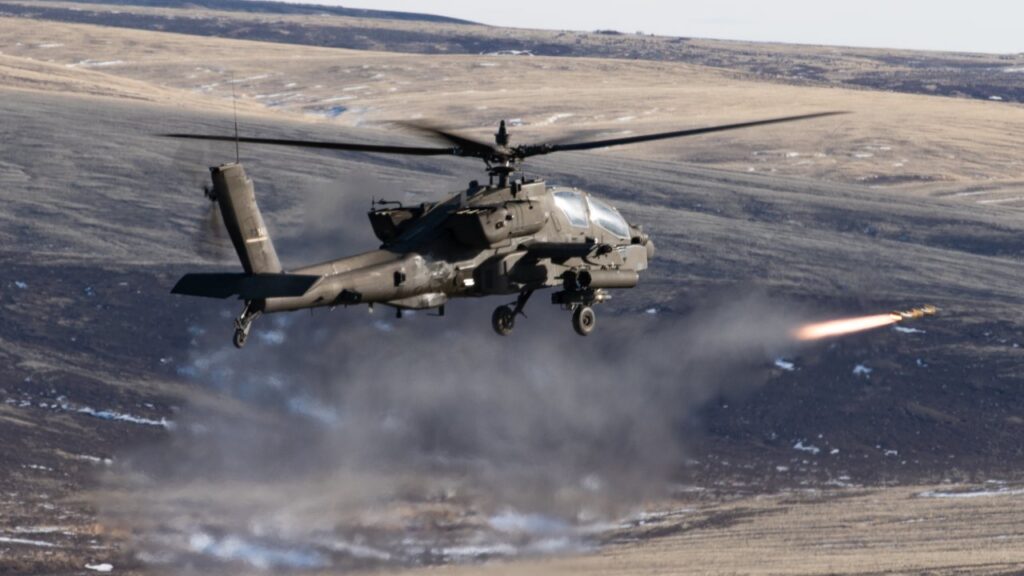
March 20, 2026 – Washington / Persian Gulf: The United States has launched a large-scale Strait of Hormuz Offensive, deploying Air Force A-10 Thunderbolt II “Warthog” aircraft and AH-64 Apache attack helicopters to strike Iranian naval assets. Senior US officials confirmed that the operation targets fast-attack boats, drones, and other asymmetric platforms deployed by Iran in the critical maritime corridor.
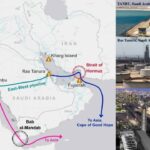
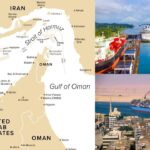
The Strait of Hormuz Offensive marks a decisive escalation after Iran effectively restricted Western commercial shipping through the waterway. The move came in retaliation for sustained US and Israeli airstrikes on Iranian military and energy infrastructure. The strait carries nearly 20 per cent of the world’s daily oil supply under normal conditions, making the current disruption a matter of global concern.
US Targets Iran’s Asymmetric Naval Strategy
Gen. Dan Caine stated during a Pentagon briefing that A-10 Warthogs are actively engaged in eliminating Iranian fast-attack craft operating in contested sea lanes. He emphasised that the aircraft are playing a critical role in countering swarm tactics used by Iran’s Islamic Revolutionary Guard Corps.
He further confirmed that AH-64 Apache helicopters, deployed by both US forces and regional partners, are targeting one-way attack drones. These drones have posed increasing threats to commercial shipping and nearby energy infrastructure.
According to multiple international reports, the A-10 platform is now central to operations across the southern flank of the strait. Its heavy armour and 30mm GAU-8 cannon allow it to operate effectively against small, fast-moving maritime targets.
Operation Epic Fury and Strategic Context
The Strait of Hormuz Offensive forms part of the broader US-led campaign under Operation Epic Fury. The operation began on February 28, 2026, with extensive airstrikes on Iranian missile bases, nuclear-linked facilities, and command centres.
Iran responded by escalating its maritime strategy. It deployed naval mines, drone swarms, and fast-attack vessels to disrupt shipping in the narrow 21-mile-wide corridor. These actions significantly reduced tanker traffic and increased insurance and transit risks.
US Central Command has reported the destruction or damage of more than 120 Iranian naval vessels. In addition, strikes have targeted mine-laying platforms, torpedo production sites, and drone manufacturing facilities. The current focus on close-air-support platforms indicates a tactical shift aimed at neutralising Iran’s decentralised and mobile threats.
Oil Markets React to Strait Disruption
Global energy markets remain highly sensitive to developments in the Strait of Hormuz Offensive. Oil prices have surged amid near-total disruption of tanker movements through the strait in recent days.
Several reports indicate that some vessels have paid substantial sums to secure safe passage. Others have opted to avoid the route entirely, rerouting shipments around Africa. This diversion has significantly increased transportation costs and delivery times.
The disruption has reinforced concerns about supply chain stability, particularly for energy-dependent economies. Market volatility is expected to persist as long as uncertainty in the region continues.
Limited Allied Support and Regional Role
The United States has urged allied nations to contribute more actively to securing the strait. However, participation has remained limited. Countries including Britain, France, Germany, Italy, the Netherlands, and Japan have expressed support for reopening the passage, but have not committed major combat resources.
Donald Trump has publicly criticised the lack of stronger allied involvement. He described the response as insufficient given the global stakes of the crisis.
Regional partners are believed to be assisting in a more limited capacity. Some Gulf nations have reportedly deployed Apache helicopters to support drone defence operations. However, officials have not disclosed specific country names.
Iran’s Position and Ongoing Risks
Iranian authorities have not issued an official response to the latest US strikes. However, state media continues to frame the blockade as a legitimate response to what it describes as aggression by the United States and Israel.
Military analysts caution that reopening the strait will require sustained operations. These include degrading Iran’s missile and drone capabilities and conducting extensive mine-clearance missions. The asymmetric nature of the threat complicates these efforts and raises the risk of prolonged confrontation.
Strait of Hormuz Offensive Raises Global Energy Concerns
The Strait of Hormuz Offensive has emerged as the most economically significant front in the ongoing conflict. The combination of a functional blockade and sustained military engagements has placed global energy security under severe strain.
With tanker flows disrupted and key maritime routes under threat, the situation is rapidly evolving into a broader energy crisis. The outcome of this confrontation will likely determine short-term stability in global oil and gas markets, as well as the strategic balance in the region.