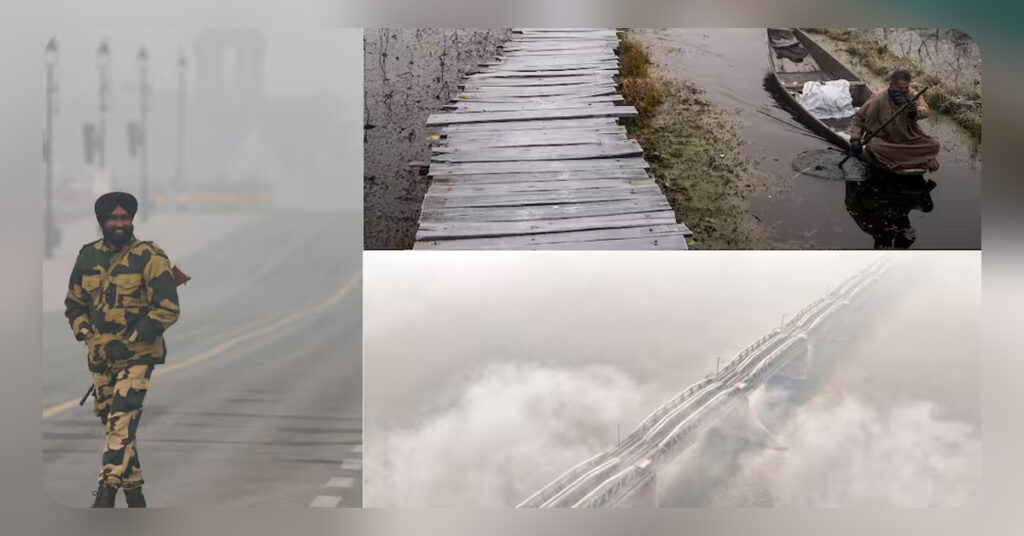
Severe Cold Grips India as Rain Alert Issued for Multiple States
Winter has intensified across large parts of India, with biting cold conditions, dense fog, and a fresh spell of rainfall expected in several regions. According to the latest updates from the India Meteorological Department (IMD), harsh cold wave conditions continue to dominate North and Central India, while parts of eastern and southern states are bracing for rainfall. The weather system has disrupted daily life, slowed transport, and raised health concerns, particularly for vulnerable populations.
Cold Wave Deepens Across North and Central India
Several cities across northern India woke up to freezing mornings, with temperatures dipping well below seasonal averages. States such as Delhi, Uttar Pradesh, Rajasthan, Haryana, Punjab, Madhya Pradesh, and Bihar are experiencing prolonged cold wave conditions. In many areas, minimum temperatures have dropped sharply, making early mornings and nights extremely uncomfortable.
The IMD has flagged dangerous cold wave conditions in nearly 29 cities, where temperatures have fallen significantly below normal. In some regions, the “feels-like” temperature has dropped further due to icy winds, intensifying the chill factor. Residents have reported frost-like conditions in open fields, especially in rural belts.
Also Read: Link PAN with Aadhaar by Tomorrow: Follow These Steps
Dense Fog Disrupts Transportation and Visibility
Dense fog continues to blanket parts of the Indo-Gangetic plains, severely affecting visibility during early morning and late-night hours. Cities including Delhi-NCR, Lucknow, Patna, Kanpur, Agra, and Amritsar have witnessed reduced visibility, causing delays in flights, trains, and road traffic.
The fog has also increased the risk of road accidents, prompting authorities to issue advisories urging commuters to drive cautiously, use fog lights, and avoid unnecessary travel during peak fog hours. Railway services in several zones have reported delays due to poor visibility on tracks.
Rain Alert Issued for Three States
While North India battles extreme cold, rainfall alerts have been issued for at least three states, bringing a different kind of challenge. Parts of Tamil Nadu, Kerala, Andhra Pradesh, and coastal Karnataka are likely to receive light to moderate rainfall due to active weather systems over the Bay of Bengal and the Arabian Sea.
In eastern India, states such as Odisha and West Bengal may also witness isolated showers. The IMD has warned that rainfall combined with cold winds could further lower temperatures, especially during nighttime, increasing discomfort.
For farmers, the rain could be a mixed blessing. While it may benefit certain rabi crops, excessive moisture and low temperatures could also raise the risk of crop damage and pest issues.
Also Read: ‘Labs of Hate’ Remark Sparks Row as JNU Moves Police Over Protest Slogans Targeting PM Modi
Why Is This Severe Weather Pattern Occurring?
Meteorologists attribute the extreme cold and fog to a combination of western disturbances, calm wind conditions, and high moisture levels in the atmosphere. Western disturbances moving across northern India are responsible for lowering temperatures and sustaining cold wave conditions.
Additionally, clear night skies followed by calm winds allow surface temperatures to drop sharply, leading to dense fog formation. In southern and eastern regions, cyclonic circulations and low-pressure systems are contributing to rainfall activity.
Impact on Daily Life and Public Health
The ongoing cold wave has had a visible impact on daily routines. Schools in some districts have adjusted timings, while outdoor workers, including construction laborers and delivery personnel, are facing harsh working conditions.
Health experts warn that prolonged exposure to extreme cold can increase the risk of respiratory infections, hypothermia, joint pain, and cardiovascular stress, particularly among the elderly, children, and people with pre-existing conditions. Hospitals in urban centers have reported a rise in patients complaining of cold-related ailments.
Authorities have urged citizens to wear adequate warm clothing, avoid early morning exposure, and take precautions to protect themselves from the cold.
Government and Local Administration Response
State governments and municipal bodies have stepped in to mitigate the impact of the severe cold. In many cities, night shelters have been activated, and blankets are being distributed among homeless populations. Public announcements and weather advisories are being issued regularly to keep residents informed.
Traffic police and transport authorities are also coordinating to manage congestion and ensure safety during foggy conditions.
What Lies Ahead: IMD Forecast for the Coming Days
According to IMD projections, cold wave conditions are likely to persist for the next few days across North and Central India, though a slight rise in temperatures may occur after the current weather system weakens. Dense fog may continue during early morning hours in several regions.
Rainfall activity in southern and eastern states is expected to remain intermittent, with no immediate signs of extreme weather escalation. However, weather experts advise staying alert, as winter systems can change rapidly.
How Citizens Can Stay Safe During Extreme Winter Conditions
IMD and health authorities recommend the following precautions:
- Dress in layers and protect extremities such as hands, feet, and ears
- Avoid prolonged outdoor exposure during early morning and late night
- Use room heaters cautiously to prevent fire hazards
- Stay hydrated and maintain a nutritious diet
- Follow traffic advisories and drive carefully in foggy conditions
Frequently Asked Questions (FAQs)
1. Which states are currently experiencing severe cold wave conditions?
States such as Delhi, Uttar Pradesh, Rajasthan, Haryana, Punjab, Bihar, and Madhya Pradesh are facing intense cold wave conditions.
2. Why is dense fog so common during winter in North India?
Dense fog forms due to high moisture levels, calm winds, and a sharp drop in night temperatures, which is common during winter months.
3. Which states have received rainfall alerts?
Rainfall alerts have been issued for parts of Tamil Nadu, Kerala, Andhra Pradesh, and some eastern coastal regions.
4. How long will the cold wave last according to IMD?
IMD forecasts suggest that cold wave conditions may persist for a few more days, with gradual temperature improvement afterward.
5. What health precautions should people take during extreme cold?
People should stay warm, avoid early morning exposure, seek medical help for cold-related symptoms, and protect vulnerable individuals like children and the elderly.