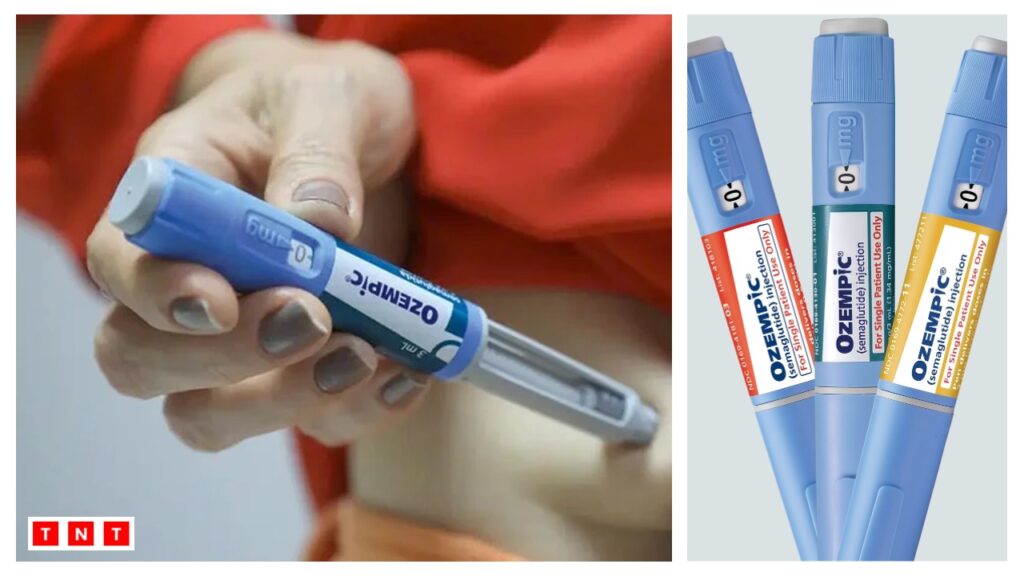
India’s Ozempic Revolution: Semaglutide Patent Expiry Triggers Price Collapse
New Delhi, March 21, 2026 — India’s pharmaceutical market witnessed a dramatic shift as the semaglutide India pricedropped sharply following the patent expiry on March 20, 2026. The development has opened the gates for multiple generic versions, making a once-expensive therapy far more affordable for millions managing diabetes and obesity.
Semaglutide, the key ingredient in blockbuster drugs such as Ozempic and Wegovy, had remained under exclusive control of Novo Nordisk until now. However, with patent protection ending, Indian pharmaceutical companies have rapidly entered the market, triggering a steep decline in pricing.
Monthly treatment costs, which earlier ranged between ₹10,000 and ₹15,000, have now fallen to as low as ₹1,290 in certain cases. This marks a reduction of nearly 85–90%, signalling a major turning point in accessibility.
What is Semaglutide and Who Needs It?
Semaglutide is a modern injectable medication primarily used to treat type 2 diabetes and support long-term weight management. It belongs to a class of drugs known as GLP-1 receptor agonists, which mimic a natural hormone in the body. As a result, it helps regulate blood sugar levels, reduces appetite, and slows down digestion. Doctors prescribe it for patients whose diabetes is not adequately controlled with oral medicines, and increasingly for individuals struggling with obesity under medical supervision. Typically administered once a week, semaglutide has gained global attention for delivering significant weight loss alongside improved metabolic control, making it a dual-benefit therapy in today’s lifestyle disease landscape.
Generic Entry Accelerates Market Disruption
The expiry has led to what industry observers describe as a “generic surge,” with nearly 40–50 branded versions expected to enter the market in the coming weeks. As a result, competition is intensifying at an unprecedented pace.
Natco Pharma has taken an early lead by launching its generic semaglutide injection under brand names such as SEMANAT and SEMAFULL. The company introduced multi-dose vial formats priced from ₹1,290 per month for lower doses and ₹1,750 for higher strengths.
In addition, Natco plans to roll out a pen-device version in April. This format, similar to existing branded injection pens, is expected to cost between ₹4,000 and ₹4,500 per month.
Major Pharma Players Join the Race
Several leading pharmaceutical companies are either launching or preparing to introduce their own versions. These include Sun Pharma, Dr. Reddy’s Laboratories, Zydus Lifesciences, Lupin, Mankind Pharma, Cipla, and Alkem.
Industry analysts expect initial pricing to stabilise in the ₹3,000–₹5,000 range for starter doses. However, as competition deepens, prices may fall further to ₹1,500–₹2,500.
Consequently, patients could save approximately ₹50,000–₹70,000 annually compared to earlier branded treatments. This significant reduction is likely to drive rapid adoption across urban and semi-urban markets.
Rising Demand Fuels Market Expansion
The surge in generics aligns with India’s growing demand for GLP-1 receptor agonists such as semaglutide. These medications play a crucial role in managing blood sugar levels, reducing appetite, slowing gastric emptying, and supporting sustained weight loss.
Given India’s rising burden of diabetes and obesity, experts anticipate strong market growth. Estimates suggest that the GLP-1 segment could expand from around ₹10 billion to ₹50 billion by 2030.
Therefore, the affordability shift is not merely a pricing event. It represents a structural change in how chronic conditions may be managed across a large population base.
Safety Concerns and Regulatory Watch
Despite the optimism, the rapid influx of generics has raised important concerns. Medical professionals caution against unsupervised usage, particularly for off-label weight loss.
Doctors highlight potential side effects, including:
- Nausea and gastrointestinal discomfort
- Rare risks such as pancreatitis
- Possible thyroid-related concerns
In addition, quality variations across multiple brands remain a critical issue. Regulators are expected to monitor manufacturing standards closely to ensure patient safety.
Patients are strongly advised to consult healthcare professionals before initiating treatment and to avoid unregulated or unauthorised sources.
Global Contrast: India vs United States
While India experiences a sharp drop in the semaglutide India price, the situation in the United States remains markedly different. Patent protections there continue to prevent generic entry.
Currently, the list price of Ozempic exceeds $1,000 per month before discounts. However, Novo Nordisk offers structured pricing options:
- $199 per month for initial two fills (introductory offer)
- $349–$499 depending on dosage thereafter
- $25–$100 monthly copay with insurance coverage
Furthermore, the company has announced plans to reduce list prices to approximately $675 per month starting January 1, 2027. This move reflects increasing pressure to improve access and affordability.
A Defining Moment for Affordable Healthcare
India’s rapid transition following the patent expiry highlights the country’s strength in generic drug manufacturing. The current development could serve as a global reference point for improving access to high-cost therapies.
Moreover, the sharp decline in the semaglutide India price is expected to transform treatment patterns for both diabetes and obesity. However, affordability must be balanced with responsible usage and medical supervision.
As the market stabilises, the focus will shift towards quality assurance, patient education, and long-term clinical outcomes. The coming months will determine how effectively India can leverage this opportunity while safeguarding public health.