Respect Nepal’s Sovereignty: Why Indian Media Must Listen to Voices Across the Border
Background: Nepal’s 2025 Gen Z Protests
September 2025 marked a historic turning point in Nepal as thousands of young protestors—largely Generation Z—took to the streets of Kathmandu and other major cities. The immediate trigger was a government ban on social media, but the deeper frustrations lay in corruption, unemployment, and inequality.
What began as peaceful demonstrations soon erupted into one of the deadliest unrests in decades. Protesters breached parliament and clashed with security forces who relied on rubber bullets, tear gas, water cannons, and even live ammunition.
By September 12, reports confirmed that at least 51 people had been killed. Fatalities included protestors, police, prisoners, and bystanders. More than 1,300 individuals were injured, hundreds of whom remain hospitalized. Property damage was extensive—parliament, the Supreme Court, schools, police stations, political residences, and media outlets were torched or ransacked. Jailbreaks at several detention centers heightened instability, adding more casualties.
The financial losses remain under evaluation but are estimated to be in the hundreds of millions of rupees due to widespread arson, looting, and destruction of vital infrastructure.
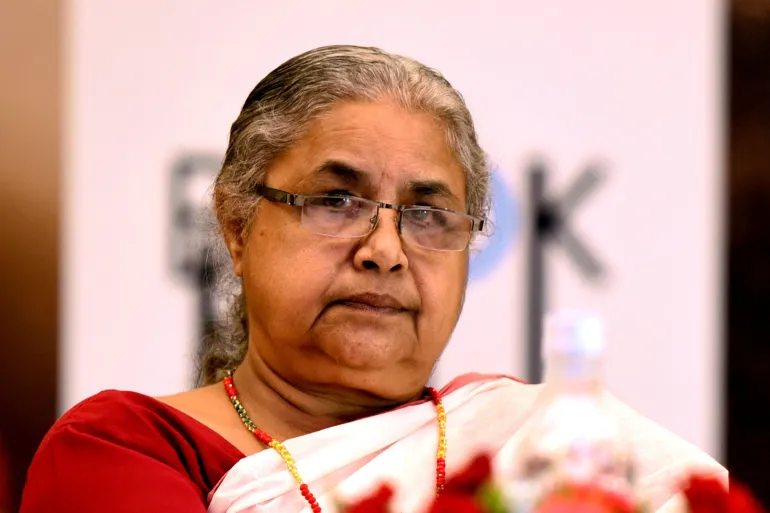
As result of protests, the Nepalese parliament has been officially dissolved amid the ongoing political crisis. In a historic turning point, Sushila Karki, Nepal’s first woman Prime Minister, was appointed as the interim head of government following days of Gen Z-led protests and intensive negotiations between President Ramchandra Paudel, youth leaders, and Nepal Army Chief General Ashok Raj Sigdel.
Born in 1952, Karki holds a Master’s degree in Political Science and a law degree from Tribhuvan University. She served as Nepal’s first female Chief Justice from 2016 to 2017, gaining widespread respect for her zero-tolerance stance on corruption and landmark judicial rulings. Known for her integrity and political neutrality, Karki was the preferred choice of protestors demanding honest governance.
Elections are scheduled to be held within six to eight months under her transitional administration’s guidance, tasked with restoring stability and democratic order in Nepal.
How Indian Media Coverage Fuelled Anti-India Sentiment
The internal crisis in Nepal quickly intertwined with external factors, amplifying discontent toward Indian media—and by extension, India itself. Coverage from across the border is accused of intensifying nationalist anger rather than providing balanced analysis.
Misrepresentation of Protests
Several Indian outlets portrayed the uprising as anarchic or influenced by “outside forces,” downplaying genuine grievances like unemployment, economic disparity, and youth frustration. Instead, narratives often highlighted only social media restrictions and border security concerns, making the protests appear less authentic.
Indian Connections of Nepal’s New PM
Reports focused heavily on the academic background of Nepal’s Interim Prime Minister, Sushila Karki, particularly her studies at Banaras Hindu University (BHU) and her cordial references to Indian leaders. These reports fueled suspicion that India had a role in her rise to power, raising doubts among protestors about her independence.
Role of Indian Agencies
Persistent references to New Delhi’s “close watch” or alleged Indian agency involvement only deepened Nepalese fears of manipulation. Such portrayals provided fuel for conspiracy theories, further damaging India’s image as a trusted neighbor.
“Big Brother” Attitude in Media Tone
Coverage that prioritized India’s strategic interests over Nepal’s domestic struggles was perceived as paternalistic. This approach, intentionally or not, positioned India as a “Big Brother” and undermined Nepal’s sovereignty at a critical time.
Early Indian Media Announcement of Nepal’s New Prime Minister
Another flashpoint in the debate over Nepal protests and Indian media was the announcement of Sushila Karki as interim Prime Minister. Indian news outlets reported her appointment days before it was officially confirmed by Nepal’s government.
Reports highlighted her background, links to youth protestors, and her pending oath-taking, relying on leaks and diplomatic channels. For many Nepalese, hearing this news from Indian networks before their own national broadcasters was a humiliation. Citizens across the nation interpreted this as an intrusion into Nepal’s democratic process, sparking further doubts about Indian influence.
In reality, Karki’s appointment came after long negotiations involving Nepal’s President, the army chief, and youth leaders shaping the Gen Z protest movement. As Nepal’s former Chief Justice and an advocate against corruption, she was selected to head a transitional government aimed at organizing elections within six to eight months.
This episode illustrates why foreign media must exercise sensitivity and responsibility when reporting on delicate national transitions.
Opinion: How Coverage Can Antagonise, Not Encourage
Indian media’s framing during Nepal’s crisis reflected caution, suspicion, and self-interest above empathy. Instead of fostering solidarity, it widened distrust.
By focusing on Indian priorities or speculations about Indian agencies, the narrative sidelined Nepalese voices. This approach not only weakened trust but also generated fresh resentment among Nepal’s younger generation, which values dignity and independence.
To establish meaningful regional partnerships, Indian journalists must aim to elevate authentic Nepalese perspectives. Media narratives should foster understanding rather than antagonism.
Conclusion
The Nepal protests and Indian media controversy offers a powerful lesson. Respecting Nepal’s sovereignty is central to building genuine trust. Moving forward, Indian media must embrace accurate, empathy-driven, and context-rich reporting.
Instead of trivializing Nepal’s democratic struggles or magnifying India’s role, Indian media should listen closely to the aspirations of Nepali citizens. Doing so would not only curb anti-India sentiment but also strengthen people-to-people ties, ultimately benefiting both nations.