NASA Spacewalk Delayed After ISS Medical Emergency
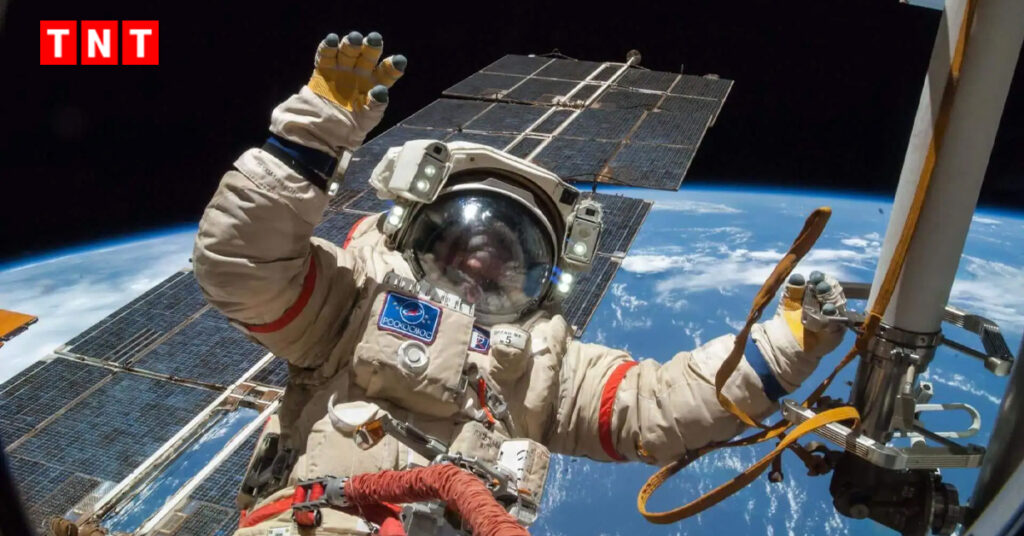
In an unexpected development, NASA astronauts scheduled for a critical spacewalk outside the International Space Station (ISS) have had their mission delayed due to a medical evacuation aboard the orbiting laboratory. The unprecedented scenario highlights both the complexity of human spaceflight operations and the rigorous safety protocols that govern life aboard the ISS.
The planned spacewalk was intended to carry out maintenance and upgrades essential for the station’s long-term functionality. However, following the emergence of a medical issue with a crew member, mission control prioritized health and safety over operational timelines, postponing the extravehicular activity (EVA) until the situation stabilizes.
Also Read: Trump Seeks Hormuz Naval Coalition, But Allies Decline
What Happened Aboard the ISS?
The ISS, orbiting approximately 420 kilometers above Earth, is home to a multinational crew of astronauts who perform scientific experiments, maintain station systems, and prepare for future missions to the Moon and Mars. During routine checks, one crew member reported a medical concern that required immediate attention.
NASA and international partners, including ESA and Roscosmos, coordinated an expedited medical evaluation. Given the confined environment of the ISS and limited immediate medical resources, mission control deemed it necessary to delay the spacewalk until the crew member’s condition was fully assessed and stable.
Also Read: Trump Suggests Mojtaba Khamenei Survived War Injuries
Astronaut health is paramount in space missions, as even minor medical issues can escalate rapidly in a zero-gravity, isolated environment. NASA has developed comprehensive protocols for such emergencies, including the potential for Earth-based guidance, telemedicine, and, in extreme cases, emergency return to Earth.
The Role of Spacewalks and Their Significance
Spacewalks, or EVAs, are critical for maintaining and upgrading the ISS. Tasks may include repairing external hardware, installing new instruments, or testing experimental technologies for future exploration missions. Every EVA is meticulously planned months in advance and requires precise coordination between astronauts and mission control.
Delays in these spacewalks, while sometimes unavoidable, can impact ongoing experiments and station operations. However, NASA emphasizes that crew safety always supersedes operational timelines. Spacewalks expose astronauts to extreme temperatures, radiation, and the vacuum of space, making them inherently risky even under optimal conditions.
Also Read: Tomahawk Missile Depletion Raises Questions Over US Navy War Logistics Support
Medical Evacuations in Space: A Rare but Critical Procedure
Medical emergencies aboard the ISS are rare, but the station is equipped with contingency protocols. Crew members receive extensive medical training, and the station carries essential diagnostic and treatment tools. Telemedicine allows Earth-based doctors to guide astronauts in real-time.
In severe cases, evacuation to Earth may be required using a docked spacecraft, such as a Soyuz or SpaceX Crew Dragon capsule. Such operations are logistically complex, requiring precise orbital maneuvers and coordination with international partners. The current delay demonstrates NASA’s readiness to prioritize medical safety over schedule adherence.
Also Read: U.S. Upset as Israel Hits Iranian Oil Sites
Impact on NASA’s Space Missions
While the delay of a single spacewalk may appear minor, EVAs are often linked to broader mission objectives. Planned experiments, hardware installations, and maintenance activities are scheduled in tight sequences. A postponement can ripple through mission timelines, requiring rescheduling of future EVAs and adjustments to onboard tasks.
Nevertheless, NASA has contingency plans for every scenario. Crew rotations, experiment timelines, and maintenance schedules are designed to be flexible, ensuring that scientific output continues despite temporary delays.
Also Read: Stranded in the Storm: The Middle East Evacuation Crisis and Millions at Risk
The Human Factor in Space Exploration
This incident underscores the unique challenges of human spaceflight. Unlike robotic missions, astronauts are living and working in a confined, hazardous environment. Their health, both physical and psychological, is a constant consideration. Zero-gravity conditions, radiation exposure, and limited medical resources create an environment where even routine medical issues can require significant attention.
Astronauts undergo rigorous health screenings and continuous monitoring, but unforeseen issues can arise. NASA’s handling of the situation demonstrates the agency’s commitment to the safety and well-being of its crew, which remains the cornerstone of all human space endeavors.
Lessons for Future Space Missions
As NASA and its partners prepare for ambitious missions to the Moon, Mars, and beyond, this event highlights the need for robust medical readiness and rapid-response protocols in space. Innovations in telemedicine, onboard medical equipment, and autonomous health monitoring will become increasingly critical.
The delay also emphasizes the importance of redundancy in mission planning. Future space stations and spacecraft must be designed with flexibility in mind, allowing for unexpected events without compromising the overall mission objectives.
Also Read: LPG Shortage Halts Hot Meals at Delhi HC Canteen
International Collaboration in Crisis Management
The ISS is a collaborative effort involving NASA, ESA, Roscosmos, JAXA, and other international partners. Emergencies like this require seamless coordination across agencies, time zones, and technologies. Communication between astronauts and mission control teams on Earth is constant, ensuring that decisions are made based on real-time data and expert guidance.
This collaboration highlights the global nature of space exploration, where science, safety, and diplomacy intersect.
Also Read: Delhi Excise Policy Case Verdict Sends Strong Message
What Happens Next?
NASA has confirmed that the spacewalk will be rescheduled once the crew member is medically cleared. Mission control continues to monitor the situation closely, providing guidance and support to ensure that all crew members remain safe.
Meanwhile, the rest of the ISS team continues to perform essential scientific experiments and station maintenance. Televised updates and NASA’s live feed allow the public to follow developments as they happen, providing transparency and insight into the challenges of living and working in space.
Also Read: India-Brazil Partnership Boosts Trade and Mineral Ties
Conclusion
The postponement of the NASA spacewalk due to a medical evacuation aboard the ISS serves as a stark reminder of the complexities and risks associated with human spaceflight. While the delay affects mission schedules, it reinforces the agency’s top priority: the health and safety of its astronauts.
As space missions become more ambitious and prolonged, ensuring robust medical preparedness, rapid-response protocols, and international coordination will be vital. This incident highlights that space exploration is not just about technological achievement but also about safeguarding the lives of those who venture beyond Earth.
FAQs about: NASA Spacewalk Delayed After ISS Medical Emergency
1. Why was the NASA spacewalk delayed?
The spacewalk was postponed due to a medical emergency involving a crew member aboard the ISS. Safety and health took priority over scheduled operations.
2. How are medical emergencies handled on the ISS?
Astronauts use onboard medical equipment, receive telemedicine guidance from Earth, and, in extreme cases, can be evacuated using a spacecraft like Soyuz or Crew Dragon.
3. What is the purpose of a spacewalk?
Spacewalks (EVAs) are conducted for maintenance, repair, installation of new instruments, and testing technologies critical for the ISS and future exploration missions.
4. How does a medical emergency affect the ISS schedule?
Delays can impact planned experiments, maintenance tasks, and future spacewalks, but NASA has contingency plans to minimize disruptions.
5. Will the spacewalk be rescheduled?
Yes, NASA has confirmed that the EVA will occur once the affected crew member is medically cleared and safety is ensured.