Rising Middle East Tensions: Impact of Kuwait Airport Attack on Global Stability
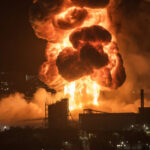
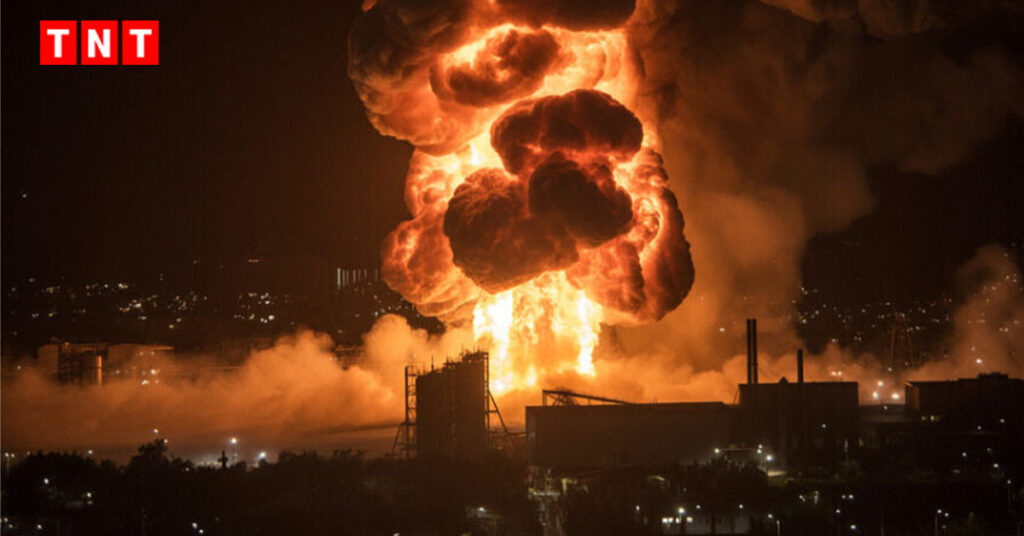
The Middle East is once again at the center of global attention after reports of a major attack on Kuwait’s airport. According to initial information, Iranian drones allegedly targeted key infrastructure, leading to a massive fire in fuel storage tanks. Thick smoke rising into the sky could be seen from miles away, signaling the severity of the situation. At the same time, Iraqi militant groups reportedly launched coordinated attacks on multiple U.S. military positions in the region.
These back-to-back incidents have significantly heightened tensions across West Asia, raising concerns about a broader conflict that could impact not just the region, but the entire world.
What Happened in Kuwait?
The reported drone attack on Kuwait’s airport marks a serious escalation. Airports are critical infrastructure—not only for passenger travel but also for cargo, logistics, and military operations. A strike on fuel tanks is particularly alarming because it can disrupt aviation operations for days or even weeks.
Eyewitness accounts suggest that the fire spread rapidly due to the highly flammable nature of aviation fuel. Emergency services rushed to contain the blaze, but the scale of the damage indicates that this was not a minor incident.
If confirmed, this attack represents a shift in strategy—targeting economic and logistical hubs instead of purely military installations.
Simultaneous Attacks on U.S. Positions
Adding to the gravity of the situation, Iraqi fighters reportedly carried out attacks on 23 U.S. military bases or facilities. While details are still emerging, such a coordinated assault suggests careful planning and a high level of organization.
This development raises two critical concerns:
- Regional Escalation: Multiple actors entering the conflict increases the risk of a wider war.
- International Involvement: Any direct threat to U.S. forces could trigger a strong military response.
Historically, attacks on U.S. assets in the Middle East have often led to retaliatory actions, which can quickly spiral into larger confrontations.
Why This Situation Is So Serious
At first glance, these may seem like isolated incidents. However, when viewed together, they paint a worrying picture. The Middle East is already a fragile region with long-standing geopolitical rivalries. Any sudden escalation can have ripple effects across borders.
Here’s why experts are concerned:
1. Risk of a Full-Scale Conflict
When multiple countries or armed groups are involved, the chances of miscalculation increase. A single retaliatory strike can lead to a chain reaction.
2. Strategic Targets Are Being Hit
Airports, fuel depots, and military bases are all high-value targets. Attacking these suggests an intent to disrupt not just military operations but also economic activity.
3. Global Powers Could Get Involved
With the U.S. already involved in the region, any further escalation could draw in other global players, making the conflict far more complex.
Impact on Global Economy
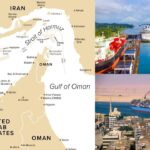
One of the biggest concerns right now is the potential impact on the global economy. The Middle East plays a crucial role in global energy supply, and any instability can lead to significant disruptions.
Oil Prices Could Surge
The region is home to some of the world’s largest oil producers. If tensions escalate further, oil production or transportation could be affected, leading to a sharp rise in prices.
Supply Chain Disruptions
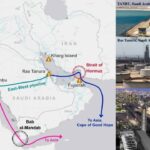
Airports and shipping routes in the region are vital for international trade. Any disruption could slow down the movement of goods, affecting industries worldwide.
Investor Uncertainty
Whenever geopolitical tensions rise, financial markets tend to react negatively. Investors may pull out of risky markets, leading to volatility in global stocks and currencies.
Security Concerns Beyond the Region
The implications of this situation go beyond the Middle East. Increased tensions can lead to:
- Heightened security checks at airports worldwide
- Increased defense spending by countries
- Cybersecurity threats and digital warfare
- Refugee crises if the situation escalates into a larger conflict
Governments around the world are closely monitoring the situation, preparing contingency plans in case things worsen.
What Could Happen Next?
At this point, several scenarios are possible:
Diplomatic De-escalation
Countries may choose to step back and engage in diplomatic talks to prevent further escalation. This would be the most favorable outcome.
Limited Military Response
There could be targeted retaliatory strikes, but with efforts to avoid a full-scale war.
Broader Conflict
If attacks continue and more countries get involved, the situation could spiral into a major regional war.
Much will depend on how key players respond in the coming days.
The Role of International Community
The global community has a crucial role to play in preventing further escalation. International organizations and major powers can:
- Push for ceasefire agreements
- Facilitate negotiations between involved parties
- Provide humanitarian support if needed
- Monitor and verify claims to avoid misinformation
In times like these, diplomacy often becomes the most powerful tool.
Final Thoughts
The reported attacks in Kuwait and on U.S. positions in Iraq mark a dangerous moment for the Middle East. While details are still unfolding, the scale and coordination of these incidents suggest a significant escalation.
For the rest of the world, this is not just a regional issue. The economic, political, and security implications could be far-reaching. As tensions continue to rise, the hope is that global leaders act quickly and wisely to prevent a situation that could have devastating consequences.
Also Read: Russia Drone Attack Ukraine: 1,000 Drones Strike Cities in 24 Hours
FAQ About Rising Middle East Tensions: Impact of Kuwait Airport Attack on Global Stability
1. What caused the fire at Kuwait airport?
The fire was reportedly triggered by a drone attack targeting fuel storage tanks, though official confirmation is still awaited.
2. Who is responsible for the attacks?
Initial reports suggest involvement of Iranian drones and Iraqi militant groups, but investigations are ongoing.
3. Why is this situation important globally?
The Middle East is critical for global oil supply and trade. Any conflict can impact fuel prices, markets, and international security.
4. Could this lead to a world war?
While it’s too early to say, escalating tensions involving multiple countries increase the risk of a broader conflict.
5. How might this affect oil prices?
If tensions continue, oil prices could rise due to supply concerns and market uncertainty.
6. Are civilians at risk?
Yes, any escalation in conflict increases risks to civilians, especially in affected areas.
7. What are countries doing in response?
Many nations are monitoring the situation closely and may increase security measures or push for diplomatic solutions.
Stay Update With Tattvam News Today, most trusted news platform in India