Iran in Turmoil After Khamenei Killed in Airstrikes
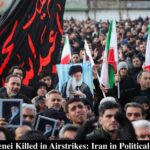
It is now officially confirmed that Iran’s Supreme Leader, Ayatollah Ali Khamenei, was killed on February 28, 2026, during coordinated US-Israeli airstrikes on Tehran. Iranian state agencies, including Islamic Republic News Agency and Press TV, verified the news early on March 1.
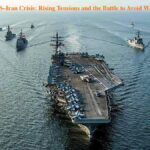
According to official statements, Khamenei died while carrying out official duties at his residential and administrative compound. He was 86 years old. The strike formed part of “Operation Epic Fury”, a major military campaign launched after weeks of escalating tensions in the region.
The announcement marked one of the most dramatic moments in modern Middle Eastern geopolitics. As a result, Iran now faces its most serious political transition since 1989.
Confirmation and International Reactions
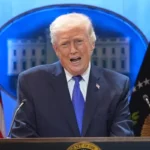
Following the strikes, US President Donald Trump announced Khamenei’s death on Truth Social. He described the Iranian leader as “one of the most dangerous figures in history” and stated that operations would continue until Iran’s military capacity was neutralised.
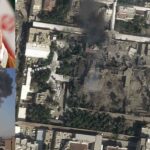
Israeli officials also confirmed the killing. Satellite imagery released by defence authorities showed extensive structural damage to the compound. Independent verification by Reuters supported these assessments.
Meanwhile, Western broadcasters such as BBC, Al Jazeera, and CNN reported heightened military alert levels across the Middle East.
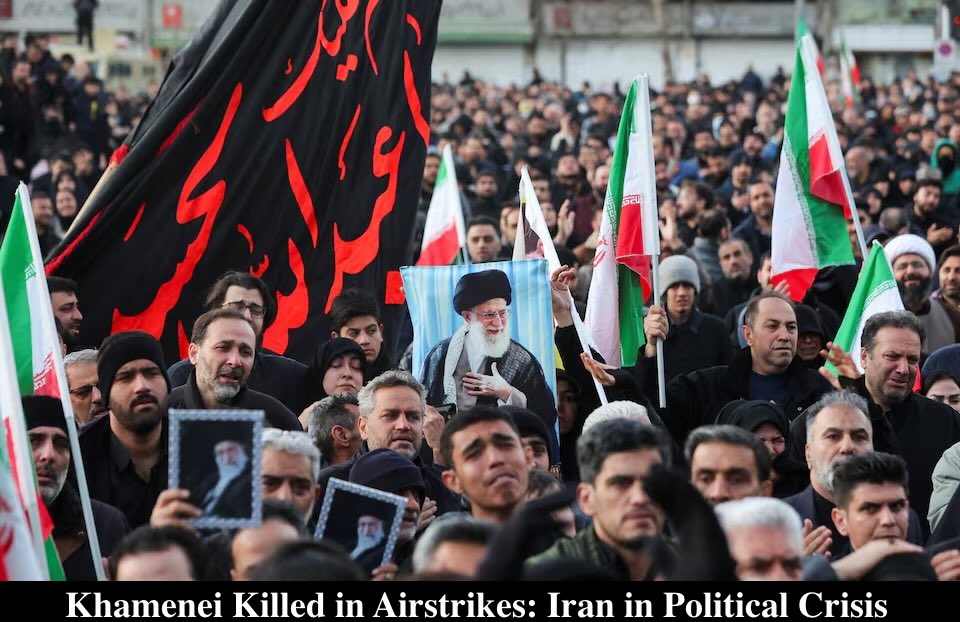
Iranian officials declared forty days of national mourning. In addition, a week-long public holiday was announced to honour the deceased leader.
Family Members Killed in the Same Strike
Several Iranian and semi-official media outlets confirmed that members of Khamenei’s immediate family also died in the airstrikes. Reports indicated that the following relatives were killed inside the compound:
His daughter
His son-in-law
His daughter-in-law
One grandchild
Sources cited by Fars News and Tasnim News Agency stated that the strike directly targeted leadership residences. As a result, family members present at the time became unintended casualties.
Tehran has not issued any formal denial regarding these reports. Therefore, the deaths are widely considered credible within diplomatic circles.
Senior Iranian Officials Eliminated
Beyond Khamenei and his family, the joint operation reportedly eliminated several high-ranking military and political figures. Confirmed deaths include:
Ali Shamkhani, former National Security Adviser
Mohammad Pakpour, IRGC Ground Forces Commander
Aziz Nasirzadeh, Defence Minister
Mohammad Shirazi, head of the Supreme Leader’s military bureau
Israeli intelligence sources suggested that nearly 30 senior leaders were initially targeted. At least seven were reportedly killed during the opening phase of strikes.
In addition, Trump claimed that “most of the decision-makers” within Iran’s security apparatus had been neutralised. However, independent verification of all casualties remains ongoing.
Succession Mechanism and Interim Governance
Khamenei did not publicly designate a successor. Therefore, Iran’s constitutional provisions for leadership transition have now come into effect.
Under existing law, an interim council has assumed temporary authority. This includes:
President Masoud Pezeshkian
The Chief of Judiciary
A senior cleric from the Guardian Council
Meanwhile, the Assembly of Experts, an 88-member clerical body, is expected to convene shortly. Its mandate is to elect a new Supreme Leader to ensure continuity.
Political analysts believe that the process may take weeks. However, given the wartime environment, accelerated decision-making is likely.
Possible Successors Under Consideration
Several names have emerged in domestic and international assessments. These include:
Mojtaba Khamenei, second-eldest son of the late leader
Ayatollah Alireza Arafi, senior cleric and Assembly deputy chairman
Mohsen Qomi, close adviser within Khamenei’s office
Hassan Khomeini, grandson of Ruhollah Khomeini
Sadiq Larijani, influential judicial figure
Some unverified reports suggest Mojtaba Khamenei may also have been injured or killed. However, no official confirmation exists.
Experts warn that internal rivalries between clerical elites and the Islamic Revolutionary Guard Corps could intensify during the transition.
Regional Impact and Security Risks
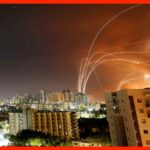
The Islamic Revolutionary Guard Corps has vowed “ferocious retaliation” against US and Israeli interests. Consequently, regional tensions remain at their highest level in decades.
Several countries have issued travel advisories. Oil markets have also reacted sharply, reflecting fears of supply disruptions. Furthermore, diplomatic missions across the Middle East have strengthened security protocols.
Trump has publicly urged Iranian citizens to “take control of their future”. However, Iranian authorities have rejected these statements as interference in domestic affairs.
Developments Remain Fluid
The death of Khamenei represents a historic turning point for Iran’s political system. With no clear successor and multiple power centres competing for influence, the country faces an uncertain future.
While interim governance structures are functioning, long-term stability will depend on how quickly a new leader is selected. In addition, ongoing military operations continue to reshape the strategic landscape.