U.S. Upset as Israel Hits Iranian Oil Sites
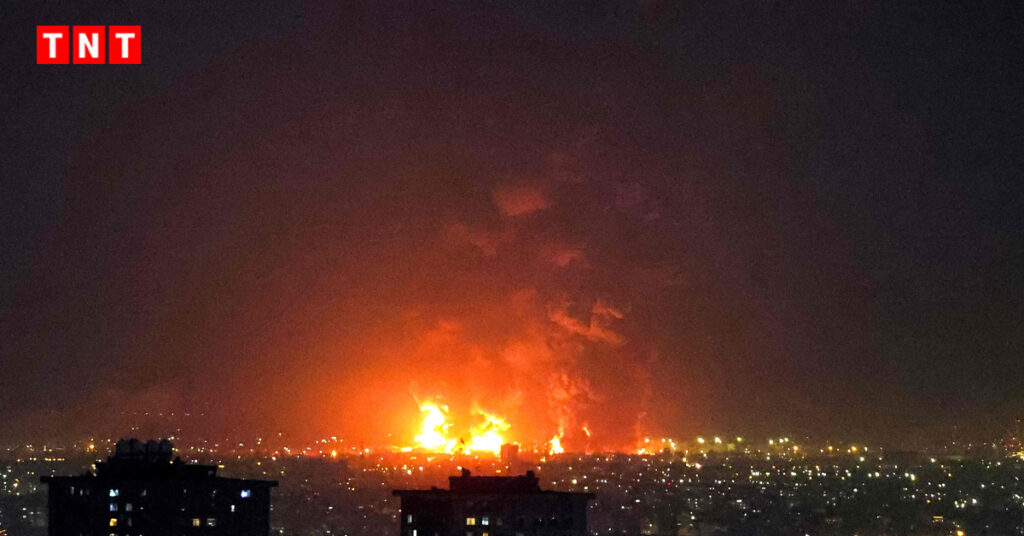
Tensions in the Middle East have once again intensified after Israel reportedly launched coordinated strikes on more than 30 Iranian oil depots, triggering strong reactions across the region and raising concern among global powers. According to diplomatic sources, officials in the United States expressed frustration over the scale and timing of the operation, with reports suggesting that Washington privately conveyed its displeasure to Israeli leadership.
The strikes represent a significant escalation in the shadow conflict between Israel and Iran, two long-standing regional rivals whose confrontation often unfolds through cyber operations, covert missions, and targeted attacks on strategic infrastructure. This time, however, the scale of the operation—targeting dozens of energy facilities—has amplified fears of a wider regional confrontation.
Also Read: Stranded in the Storm: The Middle East Evacuation Crisis and Millions at Risk
The reaction from the United States highlights the delicate balance Washington must maintain as it supports its long-time ally Israel while also attempting to prevent the conflict from spiraling into a broader war.
The Reported Strikes on Iranian Oil Depots
Reports indicate that Israeli forces targeted a network of oil storage depots and related energy infrastructure across multiple locations inside Iran. These facilities play a crucial role in the country’s petroleum supply chain, supporting both domestic fuel distribution and export capacity.
Oil depots serve as strategic targets because they represent a key economic lifeline for Tehran. Iran’s energy sector remains one of the pillars of its economy despite years of international sanctions. By striking these facilities, Israel appears to have aimed at disrupting logistics, limiting fuel distribution, and sending a powerful message about its operational reach.
Military analysts believe the operation likely involved a combination of long-range missiles, drones, and intelligence-driven targeting. Israel has previously demonstrated advanced capabilities in precision strikes, often supported by detailed surveillance and cyber intelligence.
Although Iran has not released full damage assessments, early indications suggest several facilities sustained significant damage. However, Iranian authorities claim that emergency response teams contained fires quickly and minimized broader disruptions.
Also Read: India Flight Cancellations: Middle East Conflict Grounds Hundreds of Services
Why the United States Is Concerned
While Washington maintains strong strategic ties with Israel, the scale of the attacks appears to have caught U.S. officials off guard. The United States has repeatedly urged restraint in the region to avoid escalation with Iran, particularly at a time when multiple conflicts are already straining regional stability.
American policymakers fear that large-scale attacks on Iranian energy infrastructure could provoke retaliatory actions not only against Israel but also against U.S. assets and allies in the Middle East.
U.S. officials reportedly communicated their frustration privately rather than publicly condemning Israel. This diplomatic approach reflects a long-standing pattern: the United States often expresses disagreements with Israeli security decisions behind closed doors while maintaining public support for its ally.
Washington’s primary concern lies in the potential chain reaction such strikes could trigger. Iran maintains networks of regional partners and proxy groups capable of launching attacks across the Middle East, including against American military bases and shipping routes.
Also Read: How Iranian Missiles Challenge Western Air Defence Systems
Iran’s Potential Response
Iran’s leadership has historically vowed to respond to attacks on its territory or strategic infrastructure. While Tehran’s immediate response has been measured, analysts believe retaliation may still occur.
Iran possesses several avenues for response:
Direct military retaliation: Iran could launch missile or drone strikes targeting Israeli military installations.
Proxy operations: Regional groups aligned with Iran could conduct attacks against Israeli or U.S. interests.
Cyber operations: Iran has increasingly relied on cyber warfare to disrupt adversaries’ infrastructure.
Economic pressure: Iran could threaten shipping routes in the Persian Gulf, affecting global oil markets.
Iran’s leadership must weigh its response carefully. A direct and large-scale retaliation could escalate into a broader regional war, while a limited response might be perceived domestically as weakness.
Strategic Importance of Energy Infrastructure
Oil infrastructure is often a focal point in geopolitical conflicts because of its economic significance. Energy resources shape global markets, influence political alliances, and provide critical revenue streams for producing nations.
Iran holds some of the world’s largest oil reserves. Disruptions to its energy infrastructure could affect regional supply chains and potentially influence global oil prices.
However, large-scale attacks on energy facilities also carry broader risks. Damage to oil depots can cause environmental hazards, economic disruption, and civilian safety concerns.
For Israel, targeting energy infrastructure may serve multiple objectives: applying economic pressure, weakening logistical capabilities, and signaling deterrence against perceived threats.
Also Read: Iran in Turmoil After Khamenei Killed in Airstrikes
The Wider Middle East Context
The Middle East has witnessed increasing tensions in recent years due to overlapping geopolitical rivalries. Iran’s influence across the region—through political alliances and proxy networks—has been a major source of concern for Israel and several other countries.
Israel views Iran’s nuclear ambitions and regional military presence as existential threats. Consequently, Israeli security strategy often focuses on preventing Iran from strengthening its strategic capabilities.
Meanwhile, the United States continues to maintain military deployments across the region to protect allies and safeguard international shipping routes. These deployments place American forces within range of potential retaliation whenever regional tensions escalate.
The latest strikes therefore add another layer of uncertainty to an already complex geopolitical environment.
Also Read: Iran’s Supreme Leader Ayatollah Ali Khamenei Status Unclear
Diplomatic Challenges Ahead
Managing the fallout from these strikes will require careful diplomacy. Washington must reassure Israel of continued support while encouraging restraint to avoid a broader conflict.
At the same time, international actors—including European powers and regional governments—may push for de-escalation to prevent further military confrontation.
Diplomatic channels between global powers and Iran remain fragile but essential. Even in times of heightened tension, behind-the-scenes communication often plays a crucial role in preventing misunderstandings from spiraling into open warfare.
Global Economic Implications
Energy markets are highly sensitive to geopolitical events in the Middle East. Any threat to oil infrastructure or shipping lanes can trigger fluctuations in global prices.
If tensions continue to rise, energy traders and investors may respond with caution, potentially leading to volatility in oil markets.
Shipping routes through the Persian Gulf and nearby waterways are particularly important for global energy trade. Disruptions in these routes could affect supply chains far beyond the region.
The Path Forward
The recent strikes illustrate how fragile the geopolitical balance remains in the Middle East. Israel’s decision to target Iranian oil depots represents a bold strategic move, but it also carries significant risks.
For the United States, managing the situation requires balancing alliance commitments with broader regional stability. Diplomatic engagement, intelligence coordination, and crisis management will all play vital roles in preventing further escalation.
Ultimately, the coming weeks will reveal whether the region moves toward retaliation and escalation or finds pathways for de-escalation through diplomatic channels.
Conclusion
The reported Israeli strikes on dozens of Iranian oil depots have heightened tensions across the Middle East and triggered concern among global powers. The United States’ private frustration reflects the complexity of its role as both Israel’s closest ally and a key stabilizing force in the region.
While the long-term consequences of the attacks remain uncertain, one reality is clear: actions targeting critical infrastructure can reshape geopolitical dynamics quickly. The challenge for global leaders now is to prevent the situation from evolving into a broader and more destructive conflict.
FAQ: U.S. Upset as Israel Hits Iranian Oil Sites
1. Why did Israel reportedly target Iranian oil depots?
Israel may have targeted these facilities to weaken Iran’s economic infrastructure and send a strategic deterrence message regarding security threats.
2. Why is the United States concerned about the strikes?
The U.S. worries that large-scale attacks could provoke Iranian retaliation and potentially escalate into a wider regional conflict.
3. How important are oil depots to Iran’s economy?
Oil depots are vital for storing and distributing petroleum products, which play a major role in Iran’s economic stability.
4. Could Iran retaliate after these attacks?
Yes. Iran has several response options, including military strikes, cyber attacks, or proxy operations through allied groups.
5. How might this situation affect global oil markets?
Escalating tensions in the Middle East often create uncertainty in energy markets, which can lead to fluctuations in global oil prices.