Iran Denies Executions of Protesters as Global Rhetoric From U.S. Softens
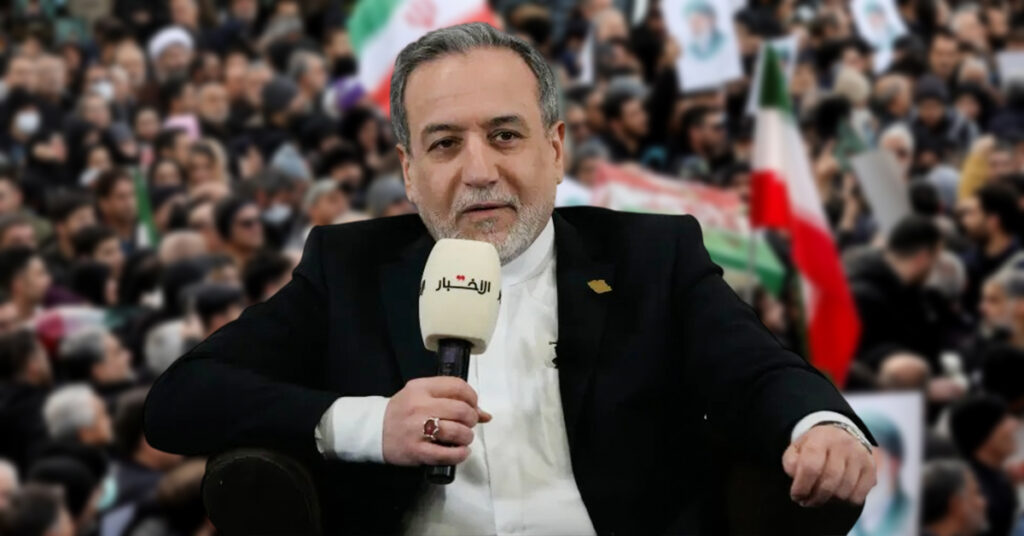
Iran’s foreign minister has publicly stated that authorities have not executed protesters arrested during recent unrest, a declaration that arrives at a moment of shifting international tone. Around the same time, former U.S. President Donald Trump lowered the intensity of his public remarks on Iran, signaling a change in rhetoric that many observers view as cautious rather than conciliatory. Together, these developments have drawn renewed attention to Iran’s internal situation, its messaging to the world, and the evolving diplomatic climate around one of the Middle East’s most closely watched nations.
This moment sits at the intersection of domestic pressure, global scrutiny, and political signaling, making it significant far beyond a single statement.
Iran’s Official Position on Protest-Related Arrests
Speaking to international media, Iran’s foreign minister emphasized that claims of executions linked to protests do not reflect the government’s actions. He stated that judicial processes remain in place and that authorities distinguish between peaceful protest and acts they classify as criminal behavior.
Iran’s leadership has repeatedly maintained that it respects legal procedures, even during periods of unrest. Officials argue that outside narratives often blur the lines between demonstrators, violent incidents, and broader political agendas. By addressing execution allegations directly, the foreign minister appeared to push back against what Tehran sees as misinformation damaging its international image.
At the same time, Iranian authorities acknowledged that arrests have occurred, reinforcing that security forces acted in response to unrest they describe as destabilizing.
Also Read: France Russia Dialogue Amid Macron-Putin Signals
Background of the Protests and Public Anger
Protests in Iran have erupted periodically over economic hardship, social freedoms, and governance issues. High inflation, unemployment among youth, and restrictions on personal expression continue to fuel public frustration. Each wave of demonstrations draws intense domestic and international attention.
For many Iranians, protests represent an attempt to voice long-standing grievances. For the government, they represent a challenge to order and sovereignty. This clash of perspectives shapes how events unfold and how they are described to the outside world.
The question of how detainees are treated remains one of the most sensitive aspects of these confrontations, often influencing diplomatic reactions and media coverage abroad.
International Scrutiny and Human Rights Concerns
Human rights organizations and foreign governments have closely monitored Iran’s response to protests. Allegations of harsh punishment, unfair trials, or excessive force frequently surface during periods of unrest.
Iran consistently rejects claims it considers exaggerated or politically motivated. Officials argue that external pressure often ignores the country’s legal framework and cultural context. Tehran also accuses Western governments of selectively focusing on Iran while overlooking issues elsewhere.
This tension between international watchdogs and Iranian authorities has become a recurring pattern, intensifying whenever protests dominate headlines.
Also Read: EU Seeks Greenland Deal with Trump Ahead of Key US Talks
Trump’s Softer Rhetoric and Its Significance
Amid these developments, Donald Trump adjusted the tone of his public comments on Iran. Known for his confrontational approach during his presidency, Trump’s recent remarks avoided direct threats or inflammatory language.
While he did not signal a policy shift, the softer tone stood out. Analysts suggest this rhetorical change may reflect broader strategic calculations, including regional stability, global energy markets, and domestic political considerations.
Words matter in diplomacy. Even without formal policy changes, reduced rhetoric can lower tensions, open communication channels, or at least prevent escalation.
How Iran May Interpret the Change in Tone
Iranian officials often read U.S. rhetoric carefully. A less aggressive tone from Washington can signal breathing room, even if sanctions and disputes remain unresolved.
Tehran may view Trump’s moderated language as an acknowledgment that confrontation carries limits. It may also see an opportunity to present itself as restrained and lawful in contrast to past portrayals of isolation.
However, Iranian leaders remain cautious. They have repeatedly stressed that actions, not words, determine trust, particularly after years of sanctions and diplomatic breakdowns.
Domestic Messaging Versus Global Communication
Iran’s denial of executions serves two audiences. Domestically, it reassures supporters that the state remains in control and committed to its version of justice. Internationally, it challenges narratives that portray Iran as escalating repression.
Balancing these audiences is complex. Too strong a denial risks skepticism abroad, while too much acknowledgment could encourage further scrutiny at home. Iranian officials often walk this line carefully, using formal language and legal framing.
This strategy reflects Iran’s broader approach to global engagement: assert sovereignty while attempting to manage reputation.
Regional and Diplomatic Implications
Any shift in Iran-related discourse affects the wider Middle East. Neighboring countries watch closely, particularly as Iran plays a key role in regional politics, energy markets, and security dynamics.
Lowered rhetoric from influential figures like Trump can reduce immediate pressure, but it does not resolve deeper disputes. Sanctions, nuclear negotiations, and regional rivalries continue to shape relations.
For now, the combination of Iran’s denial and softer external language suggests a pause rather than a turning point.
Also Read: Iran Riots: FM Araghchi Accuses US, Israel of Backing Terrorists
Public Reaction and Media Narratives
Inside Iran, reactions vary. Supporters of the government view the foreign minister’s statement as necessary and overdue. Critics remain skeptical, pointing to broader concerns about transparency and accountability.
International media continues to debate credibility, often framing the story through existing political lenses. As a result, public perception differs sharply depending on geography, ideology, and access to information.
This divide underscores the challenge of establishing shared facts in a highly polarized global environment.
What Comes Next
Much depends on future actions rather than statements. Iran’s handling of detainees, court proceedings, and protest-related cases will shape credibility. Similarly, the tone adopted by global leaders may influence diplomatic space but will not replace policy decisions.
Observers expect continued monitoring, cautious messaging, and limited engagement unless concrete developments occur. Both sides appear aware that escalation benefits no one at this stage.
Conclusion
Iran’s denial of executions related to protests, combined with a noticeable softening in rhetoric from Donald Trump, marks a moment of lowered verbal tension rather than resolution. The situation reflects a careful exchange of signals, shaped by domestic pressures and international calculations.
While words alone cannot bridge deep divisions, they can slow escalation and create room for measured responses. For now, the world watches as Iran and global actors navigate a fragile balance between assertion, restraint, and diplomacy.
FAQs
1. Did Iran confirm any executions linked to recent protests?
No. Iran’s foreign minister stated that no protesters have been executed and that legal procedures are being followed.
2. Why are Iran’s protest responses under international scrutiny?
Past unrest and allegations of harsh crackdowns have drawn attention from human rights groups and foreign governments.
3. What does Trump’s softer rhetoric indicate?
It suggests a shift in tone, possibly aimed at reducing tensions, though it does not confirm a policy change.
4. Does this mean relations between Iran and the U.S. are improving?
Not necessarily. While rhetoric has softened, core disagreements remain unresolved.
5. What should be watched going forward?
Actual legal outcomes in Iran and concrete diplomatic actions from global powers will matter more than statements alone.