Iran Ceasefire Conditions: Lift Sanctions, Reparations, and US Guarantees
Tehran’s Hardline Position Raises Stakes in Ongoing US–Israel–Iran War
Tehran, March 24, 2026 — In a firm and uncompromising stance, Iran’s ceasefire conditions could further complicate already fragile diplomatic efforts. A senior adviser to Iran’s Supreme Leader has declared that the country will not end its conflict with the United States and Israel unless all economic sanctions are lifted, war damages are fully compensated, and binding guarantees are provided against future American interference.
The statement by Mohsen Rezaei comes at a time when the escalating US–Israel–Iran war has already disrupted global energy markets and heightened fears of prolonged regional instability.
Rezaei’s Ultimatum: “The War Will Continue”
Speaking in a televised address reported by Fars News Agency, Rezaei, a military adviser to Supreme Leader Mojtaba Khamenei, made it clear that Tehran sees little room for compromise.
He asserted that the war would continue until all damages inflicted on Iran are compensated and sanctions are removed, adding that the country also seeks international guarantees ensuring non-interference in its internal affairs. He framed these conditions as a collective national decision backed by the leadership, the armed forces, and the Iranian people.
A former commander of the Islamic Revolutionary Guard Corps, Rezaei underscored that these demands are non-negotiable. Reports further suggest that Tehran is also seeking the withdrawal of US military forces from the Persian Gulf as part of broader security assurances. His remarks represent the clearest articulation yet of Iran’s position since the conflict escalated in late February 2026.
How the 2026 Conflict Escalated
From Airstrikes to Regional War
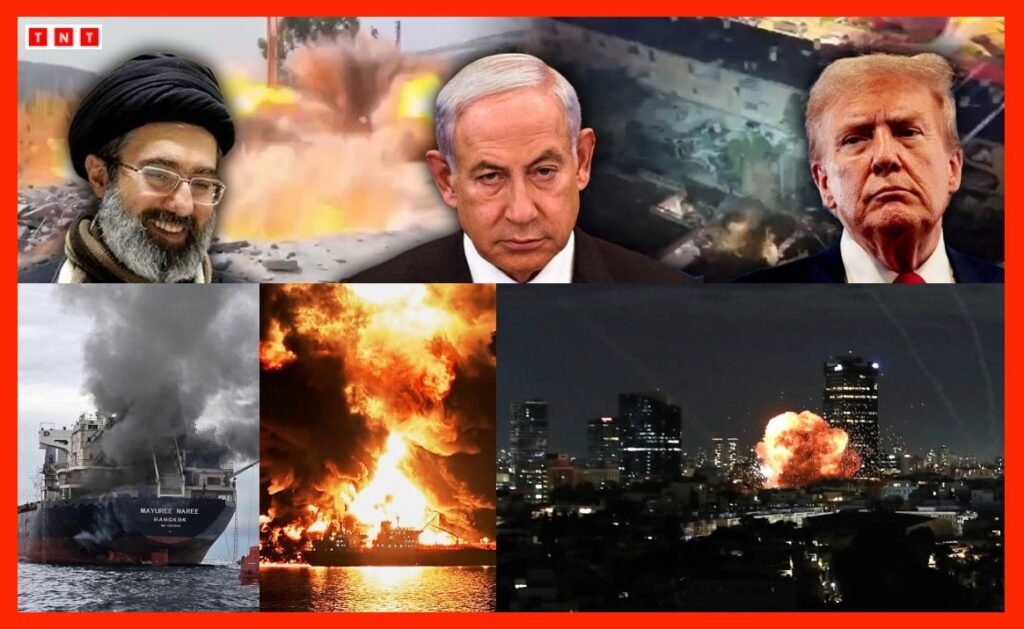
The current phase of the war began on February 28, 2026, when joint US and Israeli airstrikes targeted Iranian nuclear and military facilities. The strikes killed former Supreme Leader Ali Khamenei along with several senior officials, triggering a rapid cycle of retaliation.
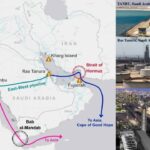
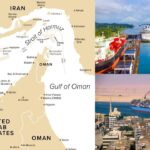
Iran responded with missile and drone attacks, closed the Strait of Hormuz—a vital route carrying about 20% of global oil and LNG shipments—and mined parts of the Persian Gulf. Israel has continued operations, including strikes in Tehran and coordinated actions against Iranian-backed groups in Lebanon.
Rising Casualties and Global Impact
As of March 24, the conflict has resulted in more than 4,200 deaths across multiple countries, alongside extensive damage to energy infrastructure. Oil markets have reacted sharply, with Brent crude fluctuating between $100 and $112 per barrel, driving up global fuel costs and impacting major importers worldwide.
Iran Ceasefire Conditions to End the War
Since assuming leadership after his father’s death, Mojtaba Khamenei has maintained a relatively low public profile, delegating messaging to hardline figures such as Rezaei. The demands articulated by Tehran collectively reflect a maximalist position.
Sanctions Relief and Reparations
Iran is seeking the complete removal of US and international sanctions that have long constrained its oil exports, financial systems, and access to global markets. In addition, Tehran demands full reparations for infrastructure destruction, economic losses, and civilian casualties caused by the strikes.
Security Guarantees and Regional Reset
Iran is also pushing for legally binding guarantees to prevent future US interference. Some formulations extend this to broader regional demands, including the withdrawal of American forces from the Persian Gulf and an end to support for actions targeting Iran’s allies such as Hezbollah.
Iran ceasefire conditions echo Iran’s stance during the Joint Comprehensive Plan of Action negotiations, though linking them directly to ending an active war marks a significant hardening.
Economic Stakes: Oil, Sanctions, and Global Ripple Effects
Years of sanctions have strained Iran’s economy, and the ongoing war has intensified those pressures. At the same time, temporary US waivers on Iranian oil exports—reportedly covering around 140 million barrels currently at sea—have allowed limited revenue flows and helped stabilize global energy prices, a move associated with the administration of Donald Trump.
The broader economic consequences are already visible. Rising oil prices and disruptions in the Strait of Hormuz pose serious risks to global inflation and energy security. For countries such as India, which depend heavily on Middle Eastern oil imports, prolonged instability directly threatens both inflation control and economic stability.
US and Israeli Response: Talks Amid Tensions
From the US perspective, President Donald Trump has indicated that “productive conversations” are taking place through intermediaries. Engagements reportedly involve envoys such as Steve Witkoff and Jared Kushner, with indirect links to Iranian officials including Mohammad-Bagher Ghalibaf, although Tehran has denied any formal negotiations.
Trump has delayed planned strikes on Iranian power infrastructure for five days, signaling openness to a deal that would prevent Iran from developing nuclear weapons while ensuring the reopening of the Strait of Hormuz. Despite this, Iranian state media maintains that no official talks are underway, and Rezaei’s remarks appear aimed at countering any perception of diplomatic flexibility.
Israel has not directly responded to these specific demands but continues to emphasize its objective of neutralising Iran’s nuclear and missile capabilities.
What Lies Ahead: Ceasefire or Prolonged Conflict
As backchannel diplomacy involving regional and global actors continues, Rezaei’s statement may represent a maximalist negotiating position ahead of potential talks. However, it also raises the risk of prolonging the conflict at a time when all sides face mounting economic and political pressures.
The war has already reshaped the strategic landscape, weakening Iranian proxies, increasing volatility in global energy markets, and reinforcing a leadership transition in Tehran that signals continuity in hardline policies. Whether these demands open a pathway to a comprehensive settlement or further entrench opposing positions will likely become clearer in the coming days.
For now, Iran’s position remains unequivocal: the war will end only on terms that address what it sees as decades of economic and strategic grievances.