Maritime Pressures and Missile Deterrence: Indonesia’s BrahMos Calculus
As of January 17, 2026, Indonesia’s interest in advanced weapon systems such as the BrahMos supersonic cruise missile is shaped by a rapidly evolving security environment, particularly across the maritime domain. While Jakarta continues to pursue a non-aligned foreign policy and avoids designating any country as a formal adversary, its geography exposes it to persistent and multidirectional threats.
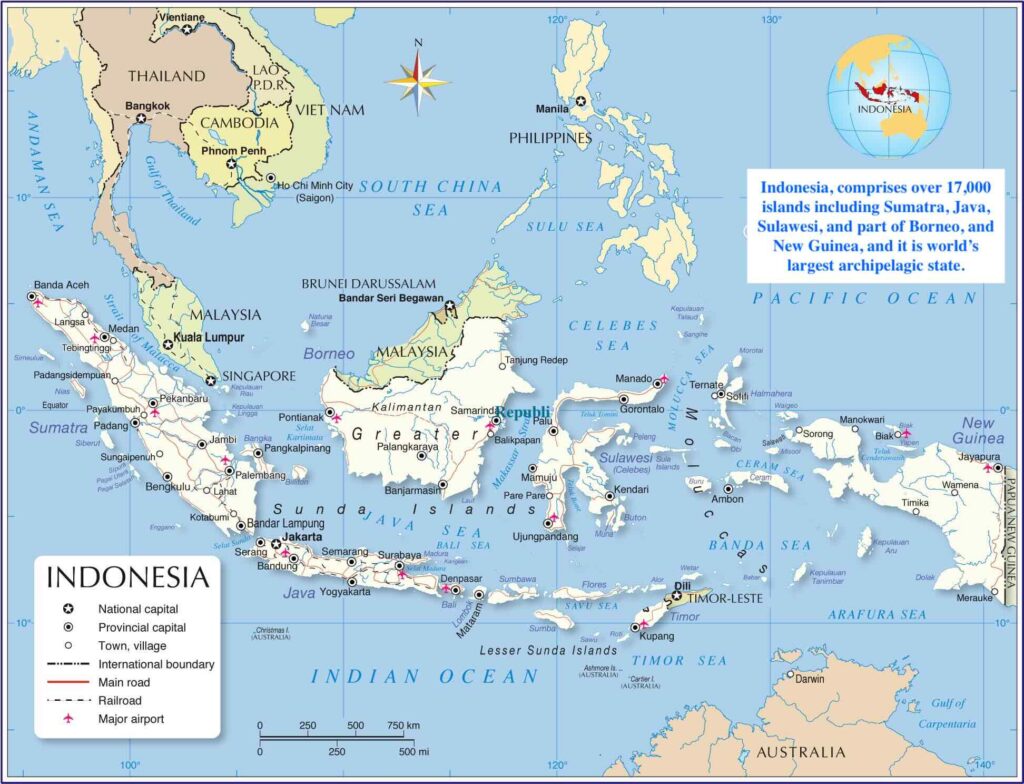
Straddling critical sea lanes such as the Malacca, Sunda, and Lombok Straits, Indonesia occupies a central position in global maritime trade. This strategic location brings economic opportunity but also acute vulnerability. As a result, Indonesia’s defence planning increasingly calls for high-end fighter aircraft, long-endurance drones, and standoff missile systems capable of deterring coercion without triggering escalation.
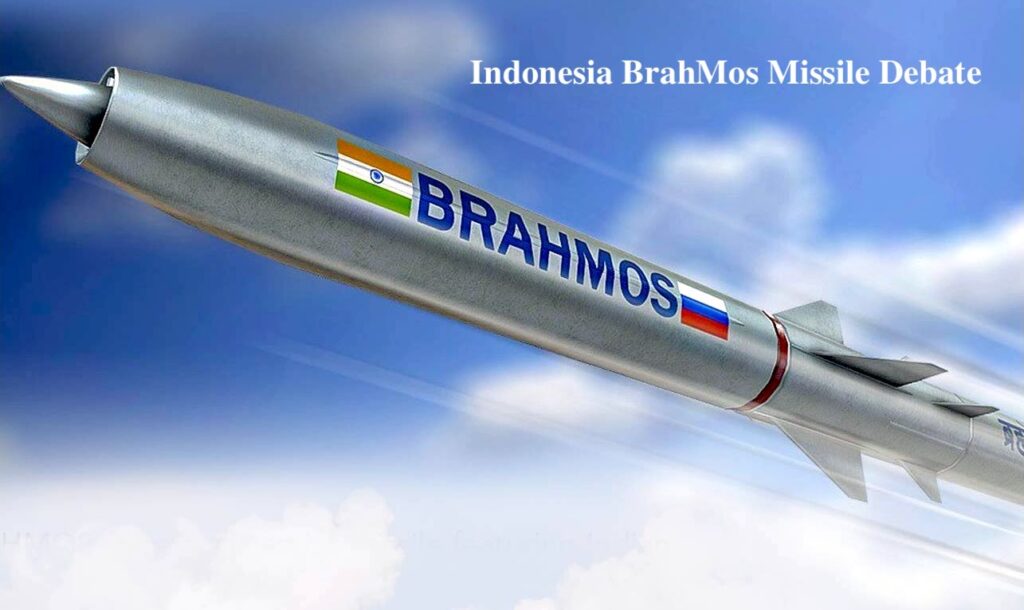
The BrahMos missile, with its Mach 3 speed, extended range of over 290 kilometres, and proven anti-ship capability, is being evaluated primarily for shore-based coastal defence. It offers Jakarta a potent asymmetric option that does not require a costly expansion of its naval fleet.
Indonesia’s Expanding Search for Advanced Fighters, Drones and Missiles
Indonesia’s security imperatives extend well beyond naval deterrence. The Indonesian Air Force is actively seeking next-generation fighter aircraft to modernise an ageing and heterogeneous fleet. Jakarta has expressed interest in Türkiye’s KAAN fifth-generation fighter programme, viewing it as a long-term solution to maintain air superiority. However, the KAAN is not expected to enter meaningful operational service before 2031–2032, creating a significant capability gap.
To bridge this interim period, Indonesia has simultaneously explored cost-effective and readily available platforms, leading to discussions with Pakistan regarding the JF-17 Thunder fighter and advanced unmanned aerial systems. These engagements reflect pragmatism rather than alignment, as Indonesia diversifies suppliers to avoid over-dependence on any single power bloc.
In parallel, drones play a growing role in Jakarta’s defence planning. Persistent surveillance over vast Exclusive Economic Zones, particularly around the Natuna Islands, requires platforms that can operate continuously without risking manned assets. This triad—fighters, drones, and cruise missiles—forms the backbone of Indonesia’s evolving deterrence posture.
Primary Security Challenge: Chinese Assertiveness in the South China Sea
Indonesia’s most pressing external concern remains China’s expanding footprint in the South China Sea, particularly where Beijing’s claims overlap with Indonesia’s Exclusive Economic Zone around the Natuna Islands. Repeated incursions by Chinese coast guard and fishing militia vessels have disrupted patrols, fisheries, and offshore energy surveys.
Since 2024, such activities have intensified in both frequency and duration. In December 2025, Indonesian authorities expelled Chinese trawlers escorted by armed vessels from the North Natuna Sea. Official data indicates more than 67 EEZ violations between April 2025 and early 2026. Against this backdrop, BrahMos provides Indonesia with a standoff capability that complicates hostile naval planning, even for advanced PLA Navy assets.
Indonesia–Pakistan Defence Engagements and India’s BrahMos Concerns
While Indonesia’s engagement with Pakistan is framed as routine defence cooperation, India views these interactions through a more cautious lens, particularly in the context of BrahMos exports. Discussions involving the JF-17 and advanced drones have drawn attention in New Delhi because of Pakistan’s long-standing military and technological collaboration with China.
The concern is not that Indonesia intends to compromise Indian interests, but that parallel ownership or operation of Pakistani and Indian-origin systems could create indirect exposure risks. Joint training, maintenance ecosystems, or shared technical infrastructure could, in theory, increase the probability of sensitive information leakage—especially given Pakistan’s past record of technology diffusion.
This is why Indonesia’s interactions with Pakistan have become a factor in India’s internal security assessment of the BrahMos deal. It explains New Delhi’s emphasis on stringent end-user agreements, black-boxed systems, and post-sale monitoring rather than any hesitation about Indonesia as a strategic partner.
Why BrahMos Still Fits Indonesia’s Defence Strategy
Despite these complexities, Indonesia’s BrahMos negotiations—valued at approximately USD 450 million and advanced by late 2025—remain focused on shore-based anti-ship variants tailored for asymmetric warfare. The missile complements Jakarta’s broader force modernisation efforts, including Rafale acquisitions and interim fighter solutions.
Following its reported combat effectiveness during Operation Sindoor in 2025, BrahMos has gained credibility across the Indo-Pacific as a high-impact deterrent. For Indonesia, it offers immediate capability enhancement while longer-term fighter programmes such as KAAN mature. India’s willingness to provide financing options further strengthens the proposal.
Ultimately, Indonesia’s interest in BrahMos reflects a pragmatic response to a volatile security environment. The objective is deterrence, not confrontation. As regional tensions persist alongside diplomatic engagement, Jakarta’s evolving defence posture signals preparation for uncertainty rather than alignment against any single actor.