Tobacco, Cigarette Prices Set to Rise as Centre Reworks Excise Framework, ITC Hit Hard
India tobacco excise duty will undergo a major overhaul from February 1, 2026, after the Centre notified a new taxation regime on cigarettes, other tobacco products and pan masala. The move introduces a steep specific excise duty structureand a dedicated Health and National Security Cess, replacing the existing GST compensation cess on so-called sin goods.
The revised framework is expected to push up retail prices of cigarettes and chewing products sharply. It also marks a structural shift, as tobacco and pan masala taxation is brought fully back under the excise system after years of being anchored around GST-linked cesses.
What Changes from February 1
Under the new notifications issued by the Finance Ministry, cigarettes, pan masala and other tobacco products will attract 40 per cent GST, while bidis will continue at 18 per cent GST. This is a significant increase from the earlier base GST rate of 28 per cent on cigarettes.
In addition to GST, the Centre will impose a new specific excise duty on cigarettes, ranging from approximately ₹2,150 to ₹8,500 per 1,000 sticks, depending on stick length. The National Calamity Contingent Duty (NCCD) will continue at existing rates.
Crucially, the GST compensation cess, which earlier combined specific and ad valorem levies, will be withdrawn entirely from February 1 as the government transitions sin goods taxation into a revised excise framework.
How the New Regime Compares with the Earlier Structure
Under the outgoing regime, cigarettes attracted 28 per cent GST, along with a compensation cess comprising a specific component of roughly ₹2,076–₹4,170 per 1,000 sticks and an ad valorem levy of 5–36 per cent, in addition to NCCD of ₹510–₹850 per 1,000 sticks.
According to Business Standard’s analysis, the new structure raises GST to 40 per cent and removes the compensation cess. However, the newly notified excise duty bands, especially for longer and premium cigarettes, exceed the earlier combined cess burden at the upper end.
As a result, the overall tax incidence tightens most sharply for premium cigarette categories, even as the levy becomes simpler in design.
Health and National Security Cess on Pan Masala
A key feature of the overhaul is the introduction of a Health and National Security Cess on pan masala. Unlike output-linked levies, this cess will be calculated on manufacturing capacity, a move aimed at curbing tax evasion and under-reporting.
Part of the proceeds will be earmarked for health awareness and related schemes, with a share to be distributed to states. Parliament cleared two enabling Bills in December 2025, authorising both the new excise duty on tobacco and the special cess on pan masala. The latest notifications formally lock in February 1 as the implementation date.
Expected Impact on Prices and Consumption
Market estimates suggest the combined tax burden per cigarette stick could rise by 20–40 per cent under the revised framework. If manufacturers fully pass on the increase, retail prices may climb by 18–35 per cent, depending on segment and stick length.
For a standard ₹100 pack of 10 regular-size cigarettes, analysts estimate a price increase of ₹15–₹25 per pack, pushing the new maximum retail price to around ₹115–₹125. This translates to a per-stick rise of at least ₹1.5–₹2.5, although final pricing will depend on company strategies.
Industry and Market Reactions
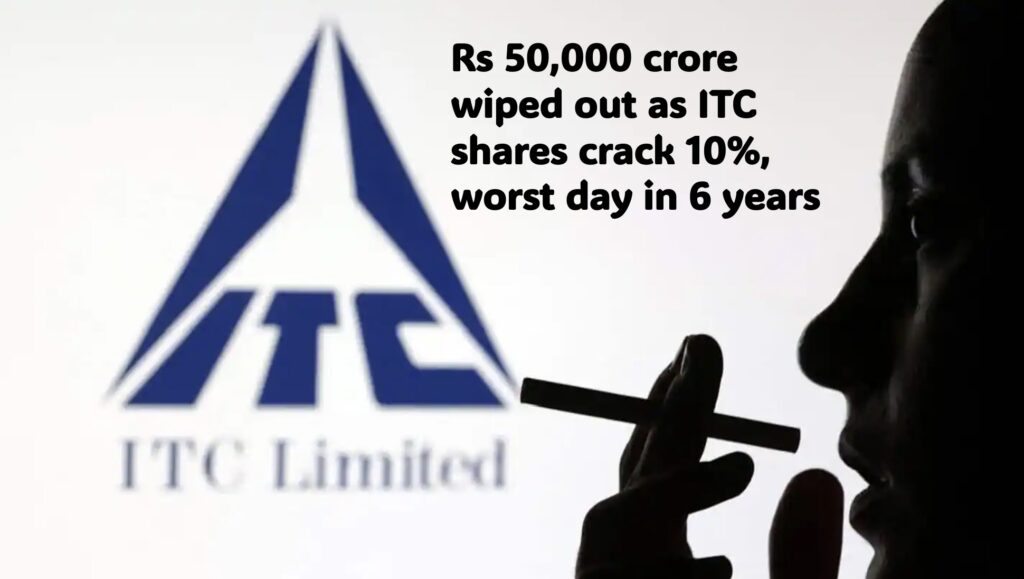
Analysts caution that if companies choose not to fully pass on the tax hike, operating margins could come under pressure. Major manufacturers such as ITC and Godfrey Phillips may face margin compression, particularly in the mid-priced and premium segments.
At the same time, sharply higher prices risk dampening volumes, especially in the mass and value categories, where price sensitivity remains high. Tobacco stocks have already reacted negatively following reports of the excise notification.
Public Health Rationale and Global Context
Policy experts note that total taxes on cigarettes in India currently amount to 50–60 per cent of maximum retail price, still below the World Health Organization’s recommended 75 per cent benchmark for effective tobacco control.
Officials view the latest move as a calibrated step to keep sin goods in the highest tax slab even after the GST compensation cess framework winds down. The restructuring is being positioned as both a revenue-protective and public-health-oriented reform.
With the February 1 rollout, India’s tobacco taxation landscape enters a new phase, combining higher GST, steeper excise duties, and targeted health-linked levies.