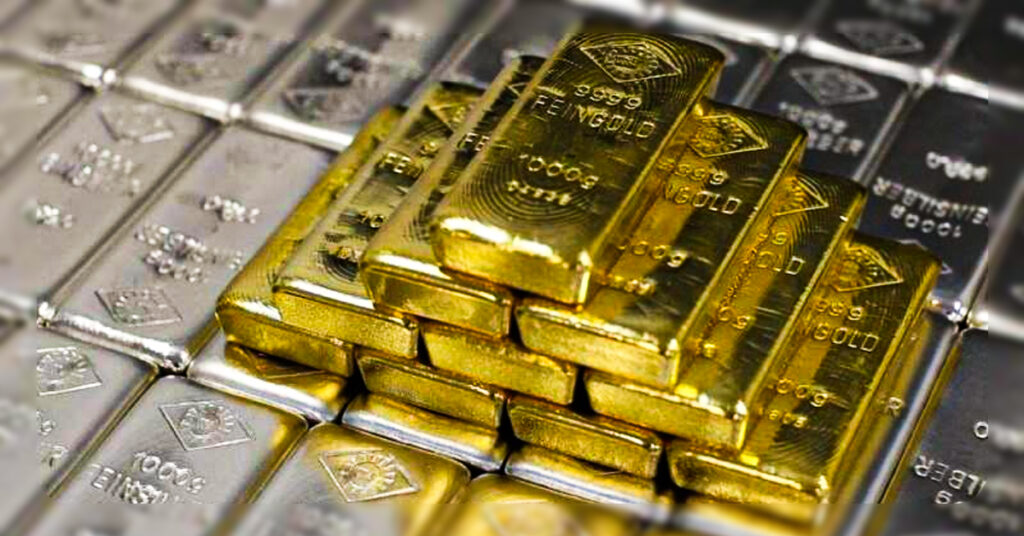
Precious Metals Slip as Stronger Dollar Pressures Gold and Silver
Gold and silver prices opened lower across global and domestic markets as a firmer US dollar and easing geopolitical concerns reduced immediate demand for safe-haven assets. On both COMEX and India’s Multi Commodity Exchange (MCX), prices showed mild weakness after recent highs, reflecting a shift in investor sentiment toward risk-sensitive assets.
The dip does not signal a trend reversal. Instead, it highlights how closely precious metals react to currency movements, global political signals, and expectations around interest rates. With markets reassessing risks, gold and silver have entered a phase of consolidation rather than panic selling.
Why Gold and Silver Prices Fell Today
The primary driver behind today’s decline remains the strengthening of the US dollar. When the dollar gains ground, gold and silver become more expensive for holders of other currencies, which reduces demand. Currency traders moved toward the dollar as fresh data and policy expectations supported its near-term strength.
At the same time, concerns around tensions in the Middle East softened. Statements from US leadership lowered the immediate risk premium attached to geopolitical uncertainty. As fears cooled, investors reduced their exposure to safe-haven assets like gold and silver.
Markets also priced in the possibility that interest rates could stay higher for longer. Higher yields make non-interest-bearing assets such as gold less attractive in comparison.
Also Read: Why Your Income Tax Refund Is Still Pending — Clear Steps to Resolve the Delay
Performance on COMEX and MCX
On COMEX, gold prices slipped modestly after recent gains, while silver saw a sharper percentage dip due to its dual nature as both a precious and industrial metal. Silver often reacts more aggressively to shifts in risk appetite and currency strength.
On MCX, domestic prices followed global cues closely. Gold futures edged lower, reflecting both international price pressure and a stable rupee. Silver prices also weakened, though physical demand in India provided some underlying support, especially ahead of seasonal buying periods.
Despite the decline, prices remain well above long-term averages, suggesting that broader bullish fundamentals still remain intact.
Also read: India’s Oil Balancing Act: State Refiners Continue Russian Crude Purchases Amid U.S. Trade Talks
Dollar Strength and Its Impact on Metals
The inverse relationship between the dollar and precious metals continues to dominate short-term movements. As the dollar strengthens, investors shift funds into dollar-denominated assets, reducing the appeal of gold and silver.
Currency strength often reflects expectations around economic resilience and monetary policy. With markets anticipating cautious central bank actions rather than aggressive rate cuts, the dollar has found support. This environment limits sharp upside moves in gold for now.
However, any sudden weakness in the dollar could quickly revive buying interest in precious metals.
Geopolitical Calm Reduces Safe-Haven Demand
Gold traditionally benefits from uncertainty. When geopolitical tensions rise, investors turn to it as a store of value. Recent calming signals around Iran-related concerns eased fears of immediate conflict escalation.
This shift does not eliminate risk entirely, but it reduces urgency. Investors responded by booking profits after the recent rally, leading to mild price corrections.
Such pullbacks often occur after sharp upward moves and are considered healthy by market participants.
Also Read: Government Replaces GST Cess with New Excise Duty on Tobacco Products
Silver’s Additional Industrial Pressure
Unlike gold, silver faces pressure from industrial demand cycles. Economic data suggesting slower manufacturing activity in some regions weighed on silver more heavily.
Silver’s use in electronics, solar panels, and industrial manufacturing links it closely to economic growth. When growth outlooks soften, silver prices tend to react faster than gold.
Still, long-term demand from renewable energy and technology sectors continues to support silver’s broader outlook.
What Central Banks Are Signaling
Central bank signals remain a critical factor for precious metals. While rate cuts remain a topic of discussion, policymakers continue to emphasize data-driven decisions.
As long as inflation stays sticky and growth remains uneven, central banks are unlikely to rush into aggressive easing. This environment creates short-term headwinds for gold and silver but also limits downside risk due to lingering economic uncertainty.
Gold historically performs well when markets sense policy mistakes or delayed responses.
Investor Sentiment and Market Positioning
Investor positioning shows reduced panic but sustained interest. Exchange-traded fund holdings have stabilized, indicating that long-term investors are not exiting the market aggressively.
Short-term traders, however, remain cautious. Many are waiting for clearer signals on interest rates, currency trends, and geopolitical developments before committing fresh capital.
This cautious optimism explains the current sideways movement in prices.
Also read: India Overtakes Japan to Become World’s Fourth-Largest Economy
Physical Demand Offers Support
In India and parts of Asia, physical demand continues to provide a floor to prices. Jewellery buying, investment demand, and festival-related purchases support gold during price dips.
Silver demand from manufacturers and retail investors also remains steady, limiting sharp declines. These factors help balance speculative selling in futures markets.
What Lies Ahead for Gold and Silver
In the near term, gold and silver may continue to move within a range as markets digest mixed signals. Dollar movements, inflation data, and central bank commentary will guide direction.
Any resurgence of geopolitical tension or signs of economic slowdown could quickly revive safe-haven demand. Conversely, sustained dollar strength and rising yields may cap gains temporarily.
Long-term fundamentals for both metals remain constructive, especially as global debt levels rise and financial uncertainty persists.
Conclusion
Today’s dip in gold and silver prices reflects a pause rather than panic. A stronger dollar and easing geopolitical fears have reduced immediate demand, but underlying support remains strong. Investors appear to be recalibrating rather than exiting, suggesting that precious metals still hold an important place in diversified portfolios.
As markets continue to balance growth expectations, inflation risks, and global politics, gold and silver are likely to remain central to investor strategies.