Trump Seeks Hormuz Naval Coalition, But Allies Decline
New Delhi, March 16, 2026
A proposal by US President Donald Trump to form a Hormuz naval coalition to escort commercial vessels has encountered strong resistance from several major allies. The request came as tensions surged in the Strait of Hormuz during the ongoing US-Israel war with Iran. However, many countries remain reluctant to join a military effort that could widen the conflict.
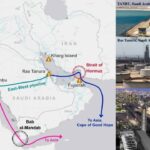
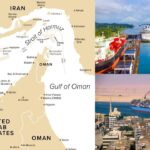
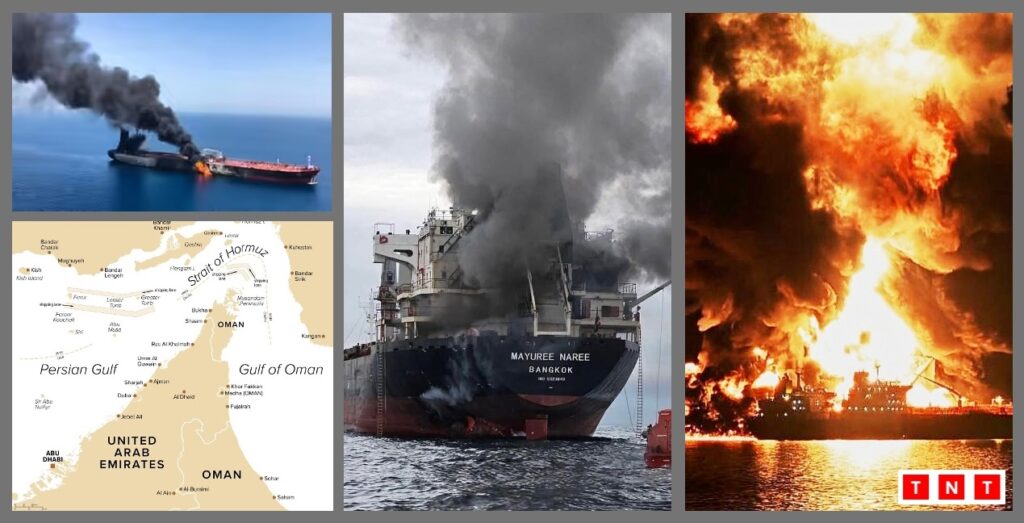
The fighting began on February 28, 2026, after US and Israeli strikes on Iranian targets. Tehran responded by disrupting traffic through the Strait of Hormuz. This narrow waterway connects the Persian Gulf to global shipping lanes and carries roughly one-fifth of the world’s oil exports. The confrontation has already triggered tanker attacks, stranded vessels, and rising energy prices.
The proposed Hormuz naval coalition aimed to bring together major oil-importing nations to escort tankers through the chokepoint. Yet the idea has struggled to gain traction among Washington’s partners.
Strait of Hormuz Crisis Disrupts Global Oil Trade
The Strait of Hormuz remains one of the most critical maritime corridors in the global energy system. Nearly 20 percent of the world’s oil shipments pass through the narrow channel each day. Therefore, any disruption creates immediate economic ripple effects.
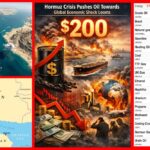
Since Iran intensified its blockade strategy, the region has witnessed at least ten reported attacks on commercial tankers. Nearly one thousand vessels have become stranded or delayed across Gulf shipping lanes. As a result, global crude prices surged to around 100–104 dollars per barrel.
The shipping disruption has alarmed energy markets. Several analysts warn that prolonged instability in the strait could push fuel prices higher and intensify global inflation pressures. Supply chains already under stress may also face additional disruptions.
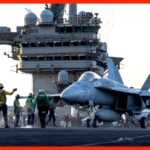
Against this backdrop, Trump urged several countries to contribute naval assets. His administration argued that a multinational maritime escort mission could restore confidence among shipping companies.
Trump Pushes for Hormuz Naval Coalition
Trump promoted the idea of a Hormuz naval coalition through posts on the social media platform Truth Social. He called on major oil consumers such as China, France, Japan, South Korea, and the United Kingdom to send warships.
According to Trump, Iranian naval forces had been “totally decapitated” by US operations. He also suggested that reopening the strait would become easier if allied fleets joined escort missions.
The US administration reportedly approached about seven countries to support the maritime security effort. Trump claimed some nations had shown a positive response. At the same time, he warned that the future of NATO could become “very bad” if allies refused to help.
Despite those statements, diplomatic signals from many capitals have remained cautious or negative.
Allies Show Reluctance to Join Coalition
Several key partners have declined to participate in the proposed Hormuz naval coalition.
Japan and Australia quickly ruled out deploying naval vessels. Both governments cited constitutional constraints and concerns about escalating the conflict. France has adopted a wait-and-see approach. Paris indicated that it might consider a mission only when conditions stabilise. For now, its carrier strike group remains stationed in the Eastern Mediterranean.
Germany has also expressed strong reservations. Foreign Minister Johann Wadephul warned that Berlin should avoid becoming an active party to the conflict. Norway similarly rejected any plan to send naval ships to the Gulf.
South Korea has not taken a final decision. Officials in Seoul say they are still assessing security risks in the region. Meanwhile, the United Kingdom has discussed the crisis with Canada but has avoided firm commitments. Prime Minister Keir Starmer has emphasised the need to reopen the strait while avoiding direct military escalation.
China, the world’s largest oil importer, has remained silent on the coalition proposal. However, Beijing has stressed the importance of stable energy supplies and diplomatic de-escalation.
Iran Defies Coalition Threats
Iran has responded with open defiance to the idea of a Hormuz naval coalition.
Revolutionary Guard spokesman Brigadier-General Ali Mohammad Naini challenged Washington’s claims about Iran’s naval losses. He questioned the assertion that Iranian forces had been destroyed and warned that any foreign military presence would face resistance.
Foreign Minister Abbas Araghchi confirmed that several countries had approached Tehran regarding safe passage for their vessels. However, he noted that final decisions would remain with Iran’s military command.
Tehran maintains that the strait remains open to ships from friendly or neutral countries. At the same time, it seeks to restrict vessels linked to the United States, Israel, and their partners. Iranian officials believe the strategy will apply economic pressure on Washington without triggering a full regional war.
The standoff intensified further after Iran warned Britain against sending warships into the Gulf. Tehran stated that it would consider such a move a hostile act.
India Pursues Quiet Diplomacy for Energy Security
India has chosen a different path during the Strait of Hormuz crisis. Instead of joining the Hormuz naval coalition, New Delhi has focused on diplomatic engagement with Tehran.
External Affairs Minister S. Jaishankar has held several discussions with Iranian Foreign Minister Abbas Araghchi. These talks have centred on maritime safety and energy supply stability. India depends heavily on Gulf energy imports, which makes uninterrupted shipping crucial.
Recent negotiations produced a limited breakthrough. Iran allowed two Indian-flagged LPG tankers to transit the strait safely. The vessels carried nearly 92,700 metric tonnes of cooking gas bound for Indian ports.
Indian officials describe the arrangement as a case-by-case understanding rather than a blanket guarantee. Nevertheless, the talks demonstrate that bilateral diplomacy can sometimes achieve practical results even during conflict.
Global Economic Risks Continue to Grow
The Strait of Hormuz standoff has already shaken global markets. Shipping insurance costs have risen sharply, and tanker operators remain cautious about entering the region. Energy analysts warn that a prolonged disruption could create sustained volatility in oil prices.
For the United States, the difficulty in assembling a Hormuz naval coalition highlights the limits of international support for expanding the conflict. Many allies fear that a naval escort mission could drag them directly into the war.
Diplomatic efforts continue behind the scenes. Yet the crisis shows little sign of immediate resolution. As the conflict enters its third week, the world watches closely whether diplomacy or escalation will define the next phase of the Strait of Hormuz confrontation.